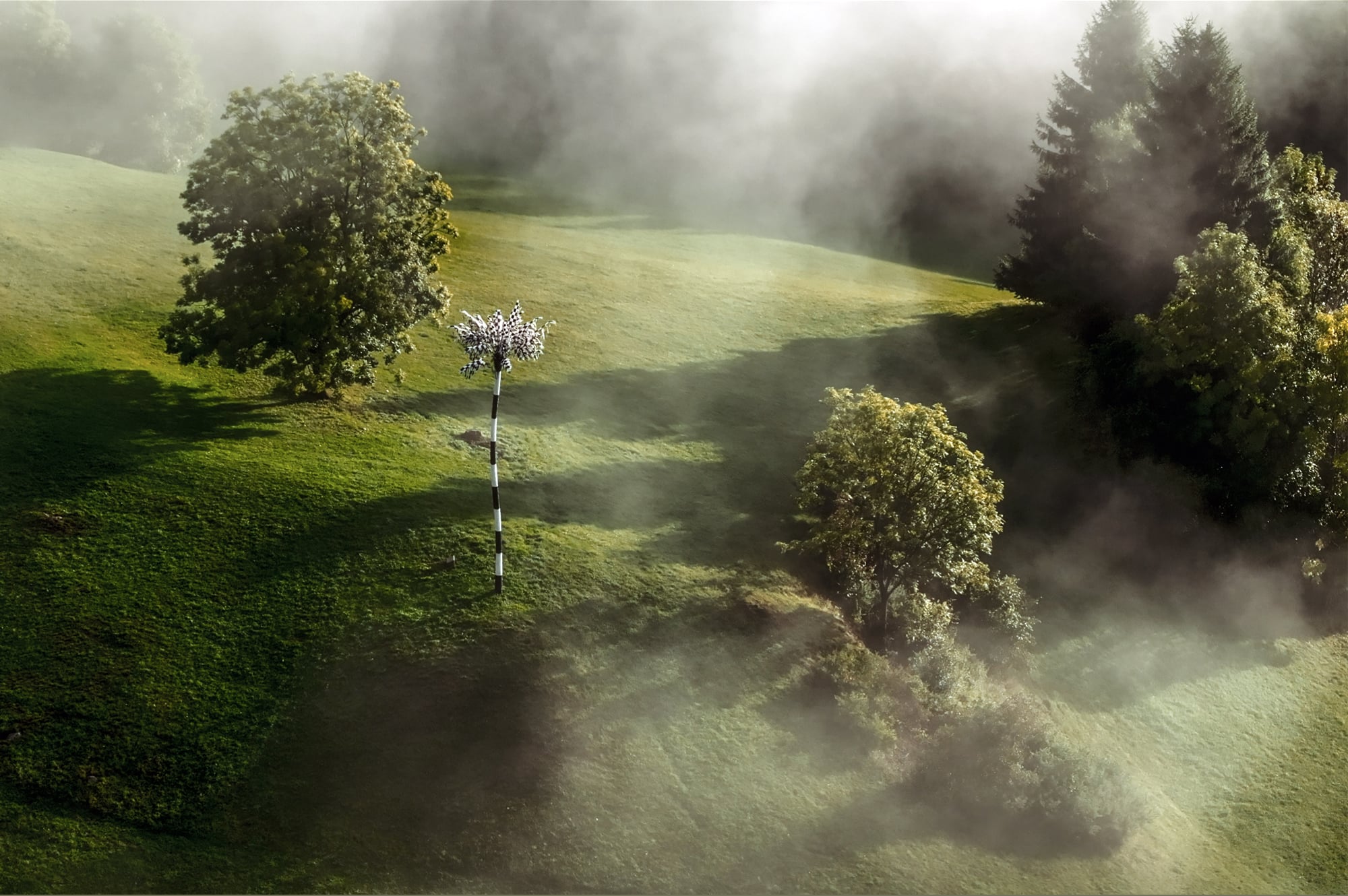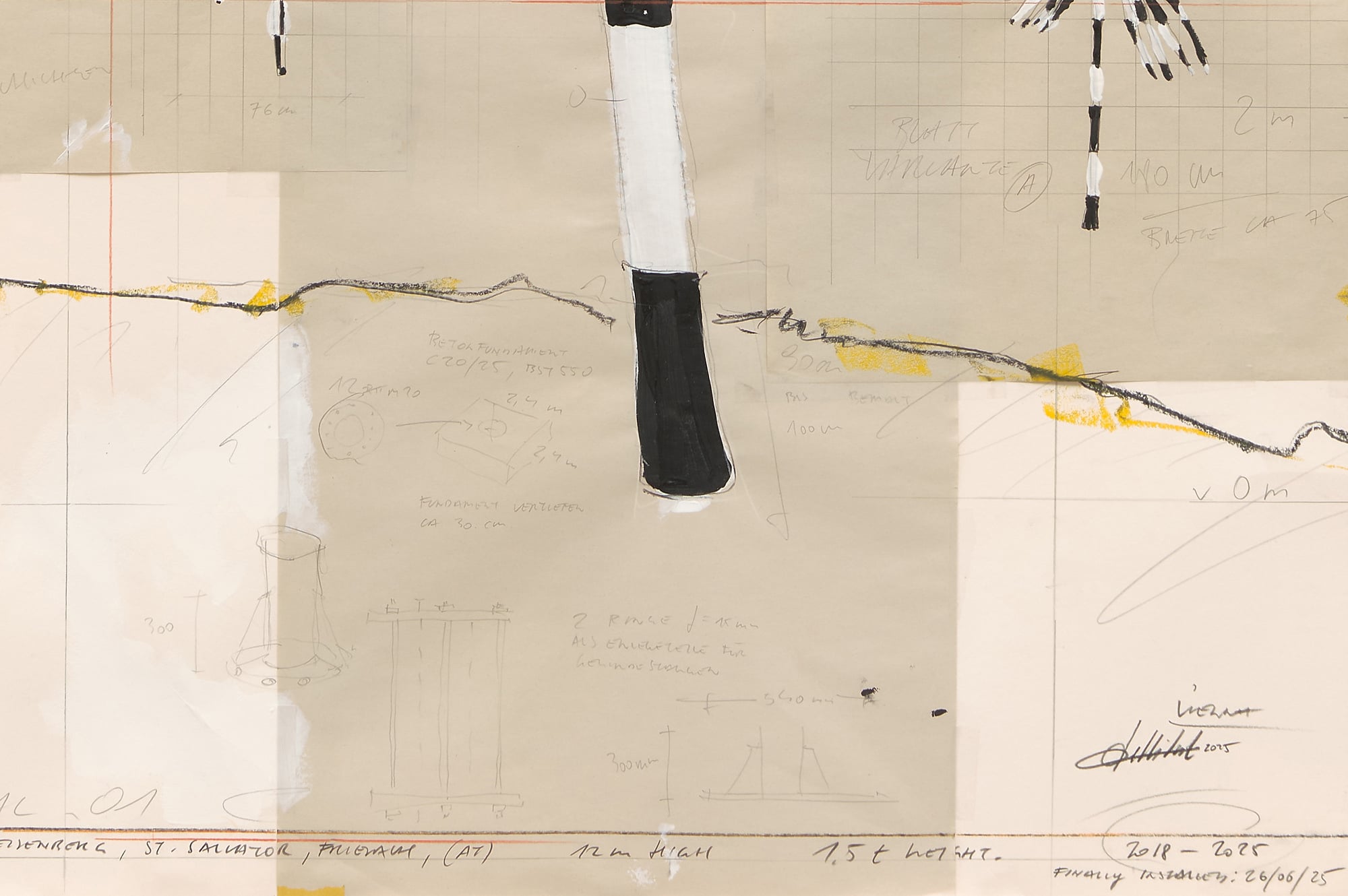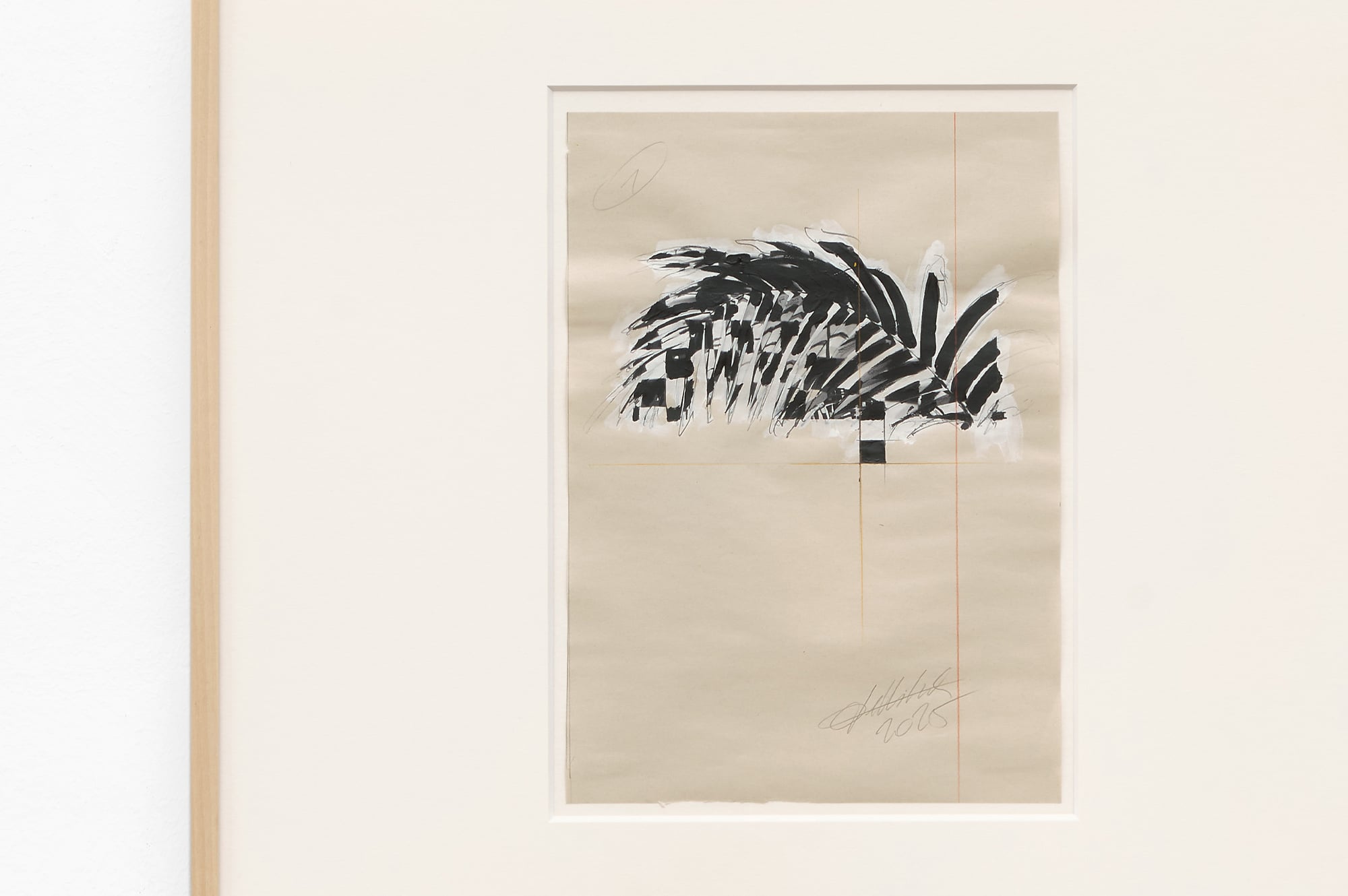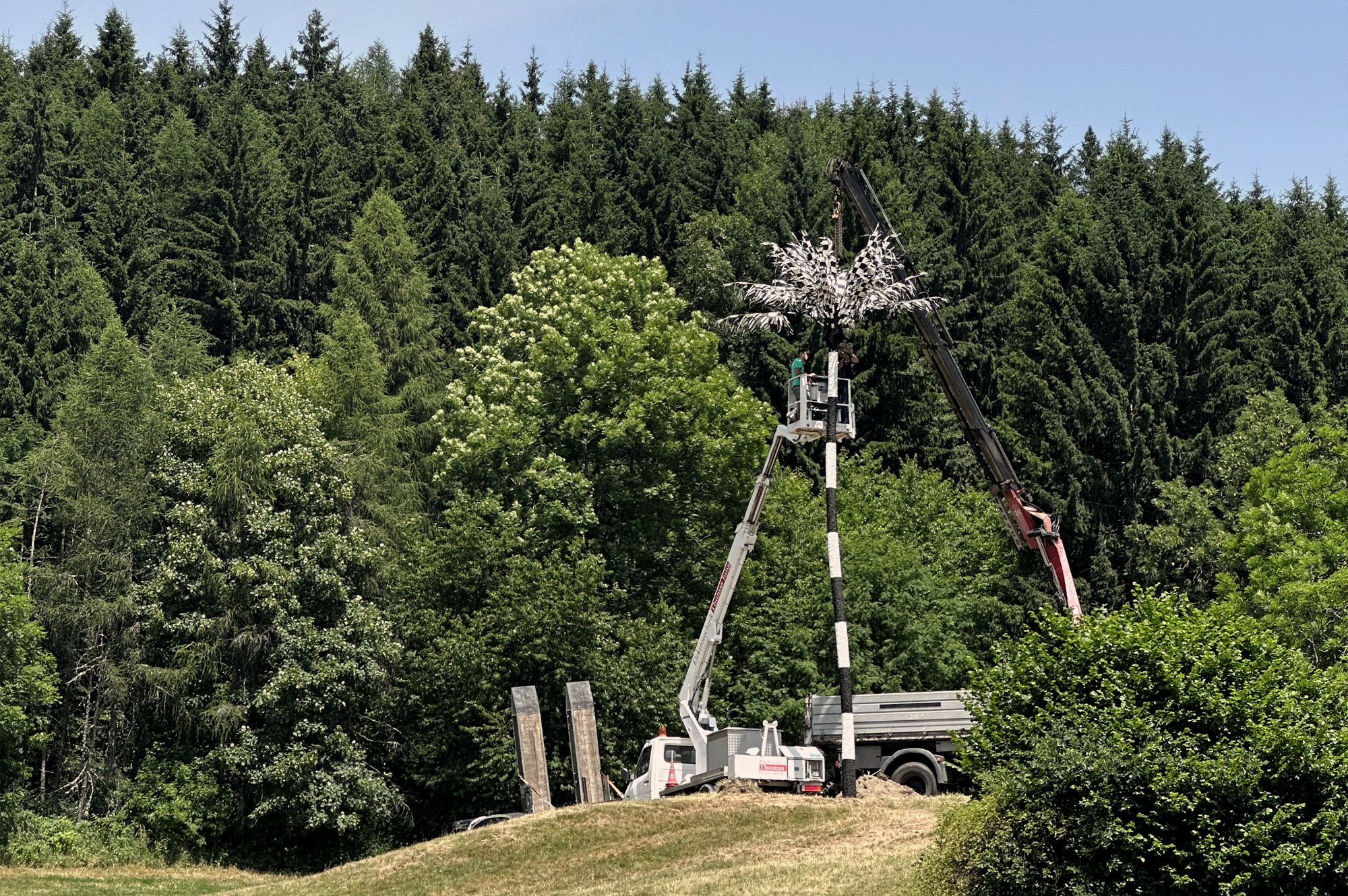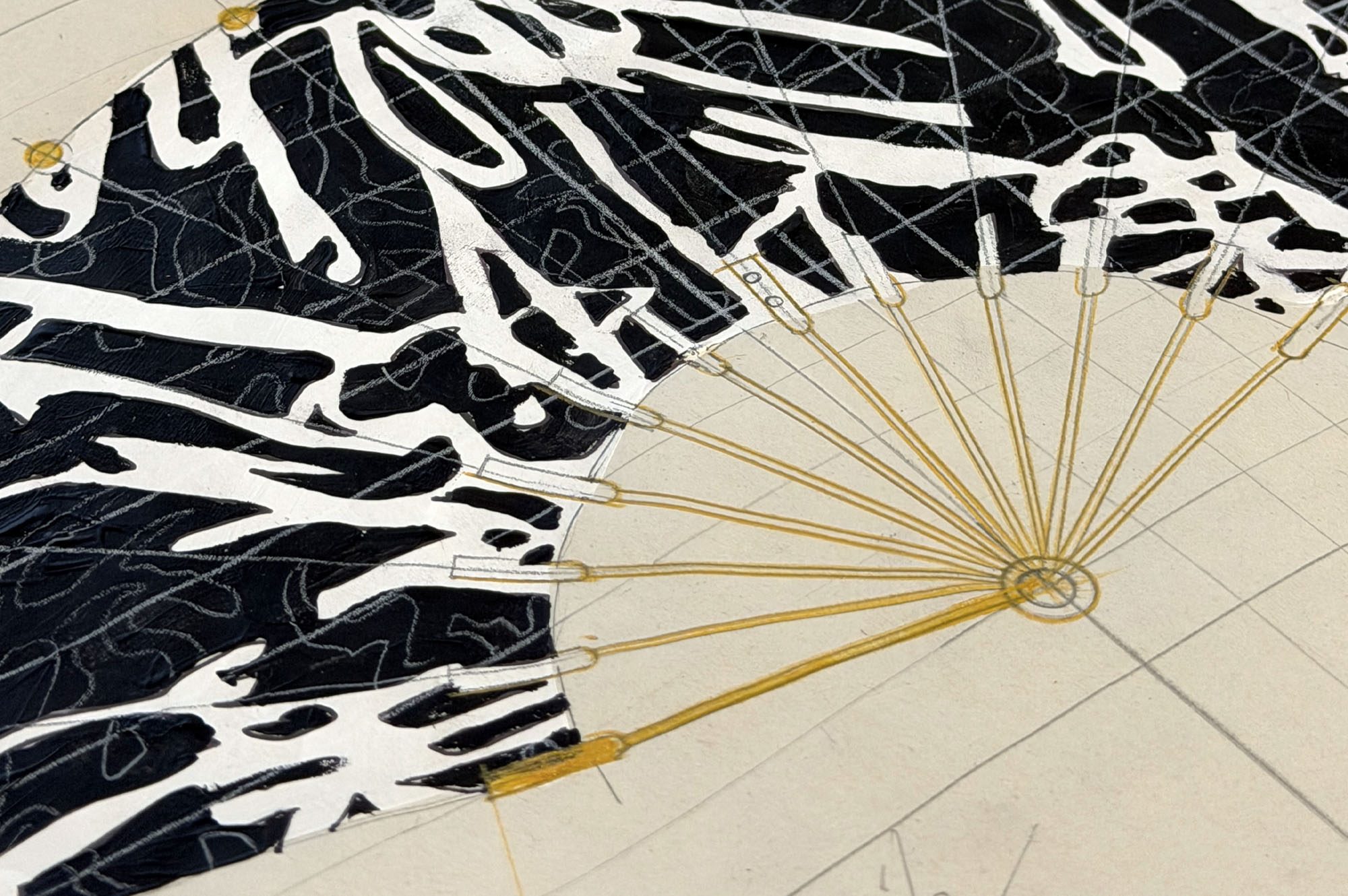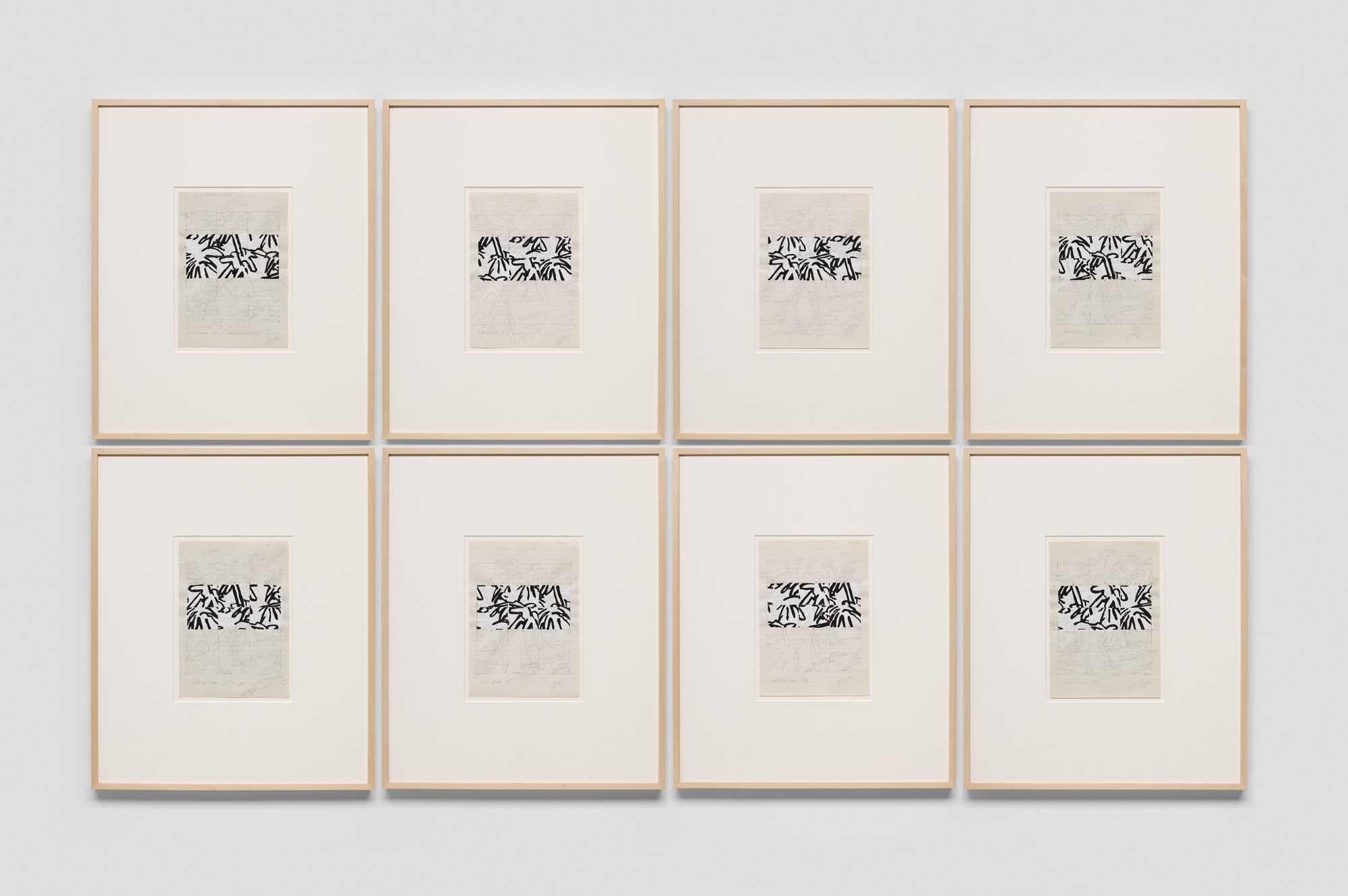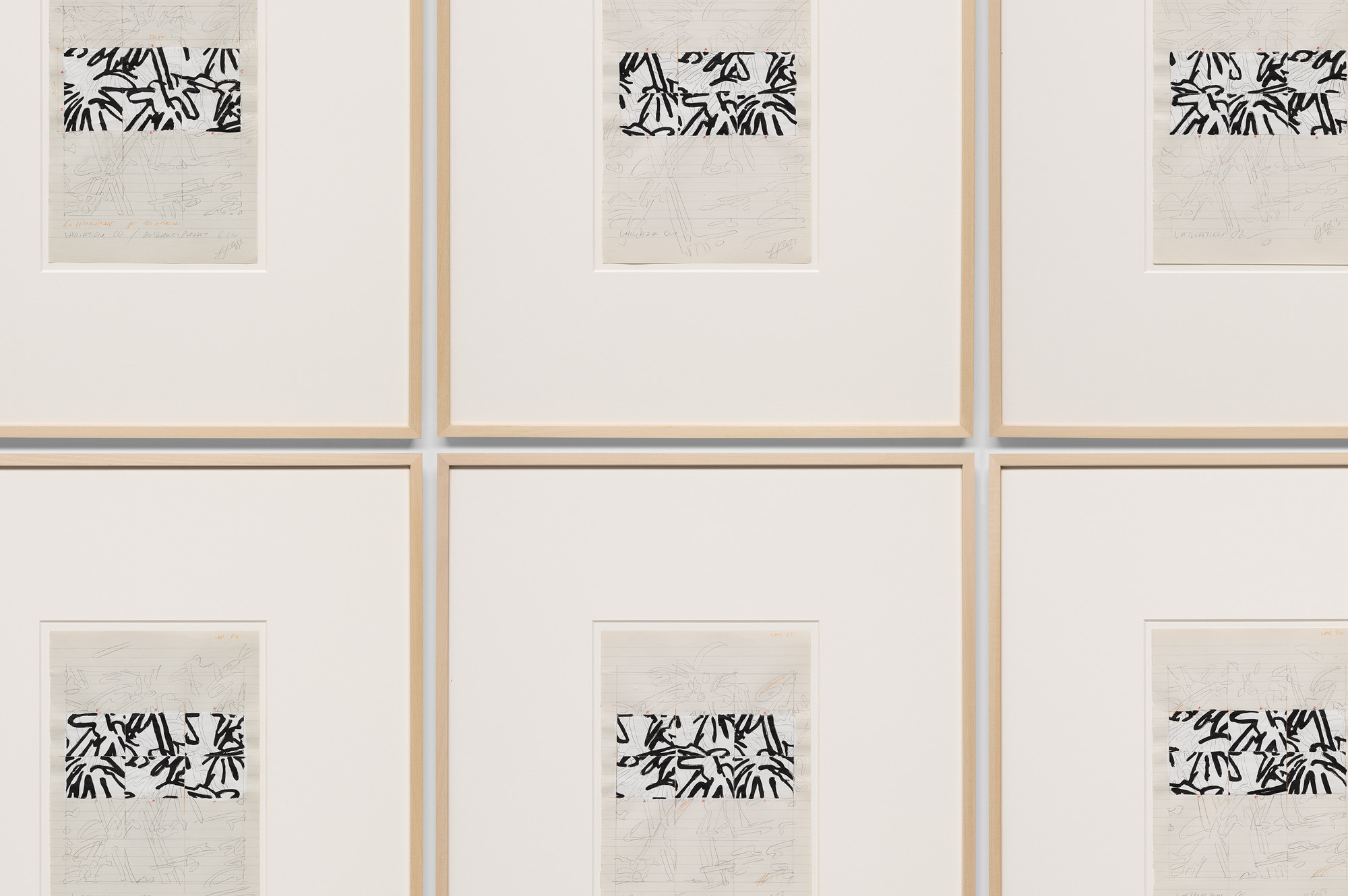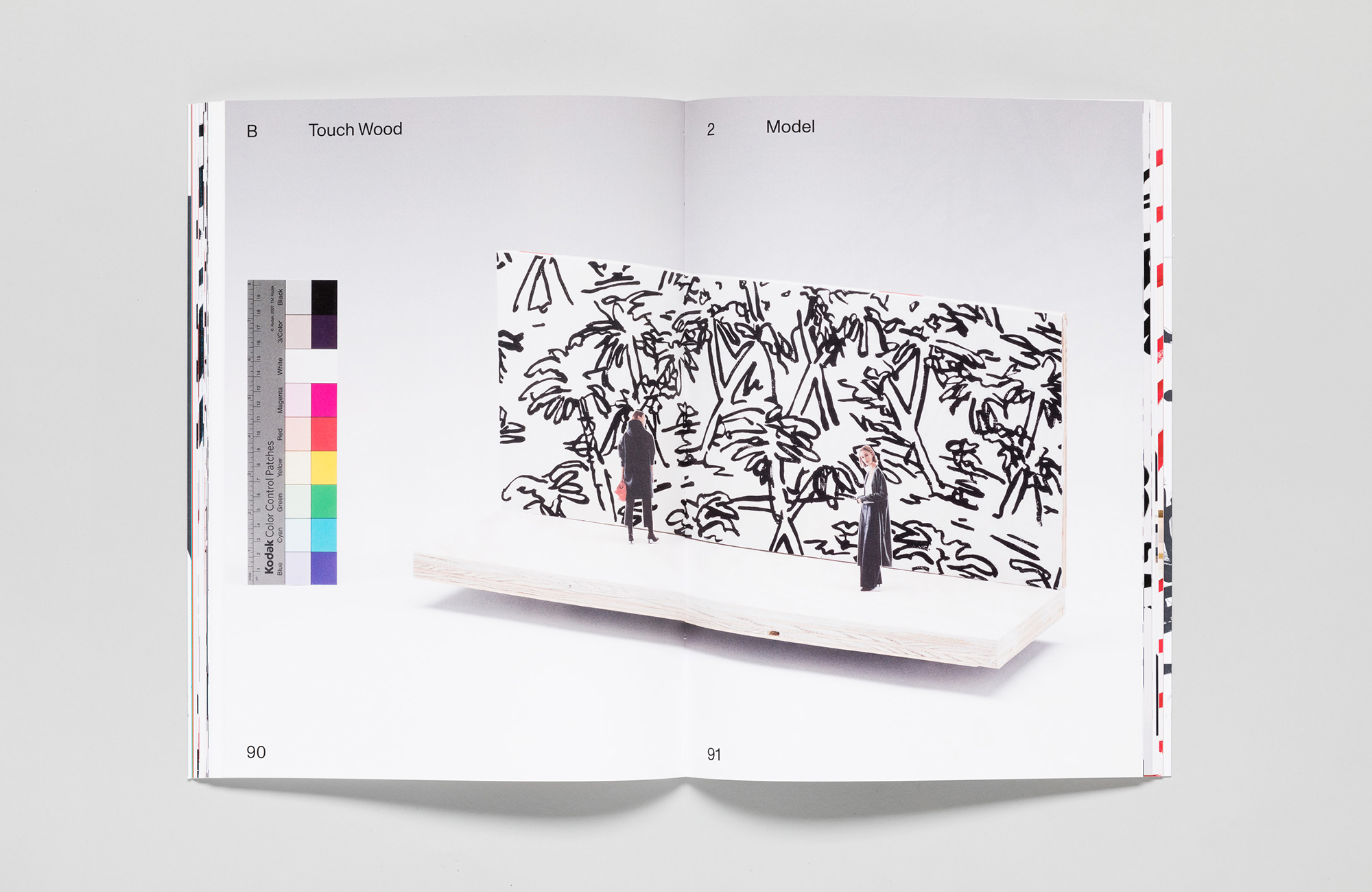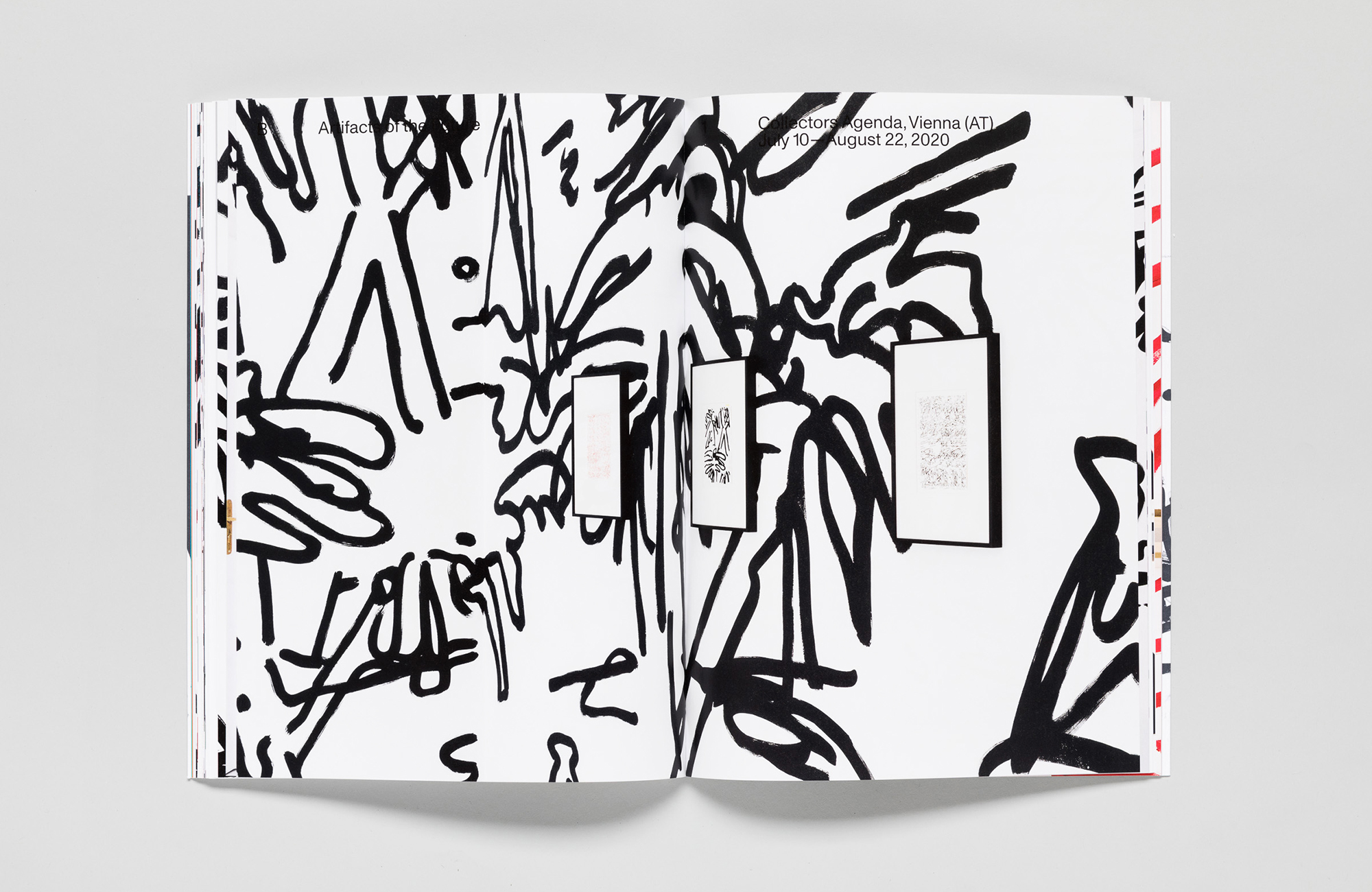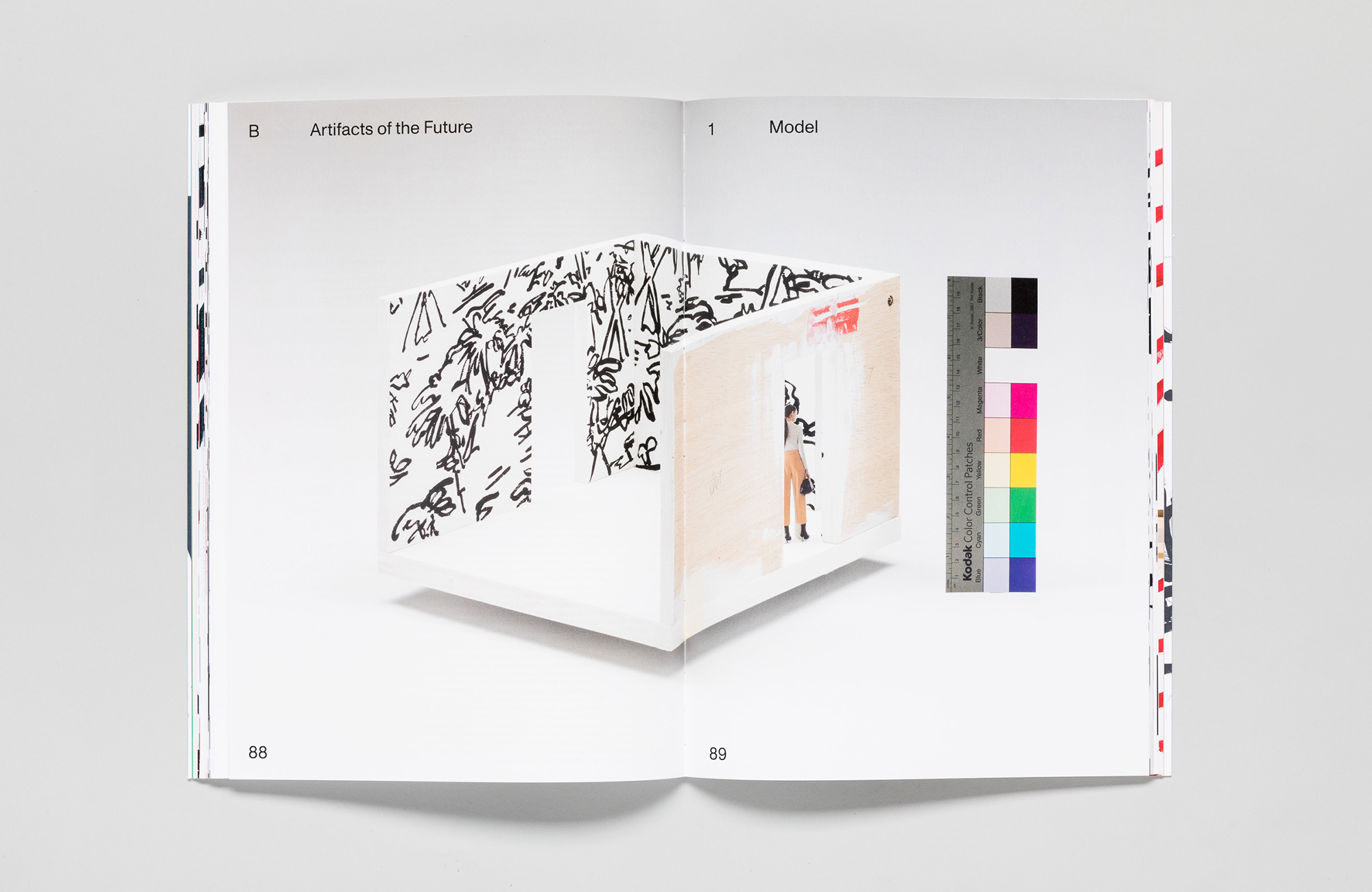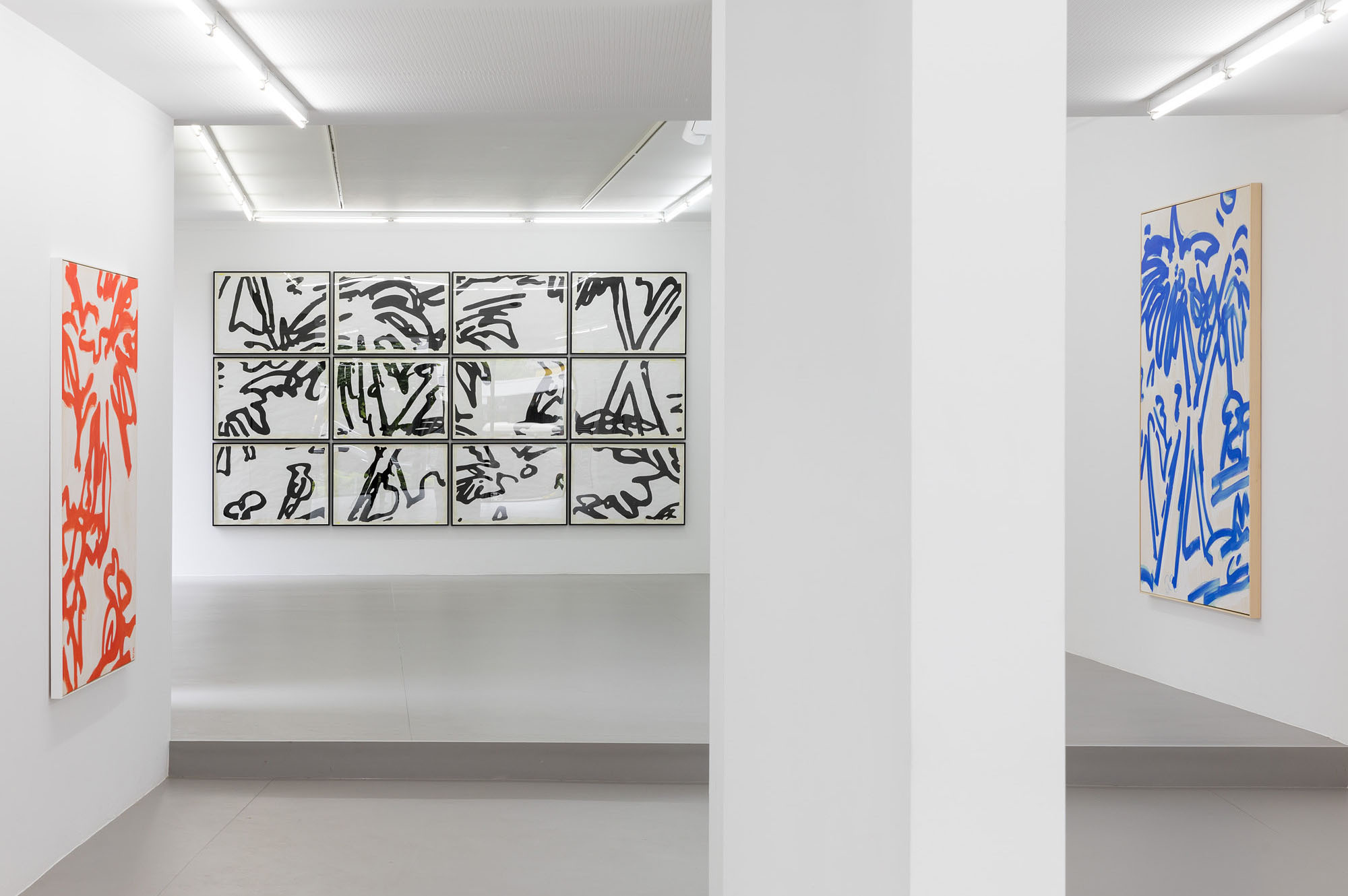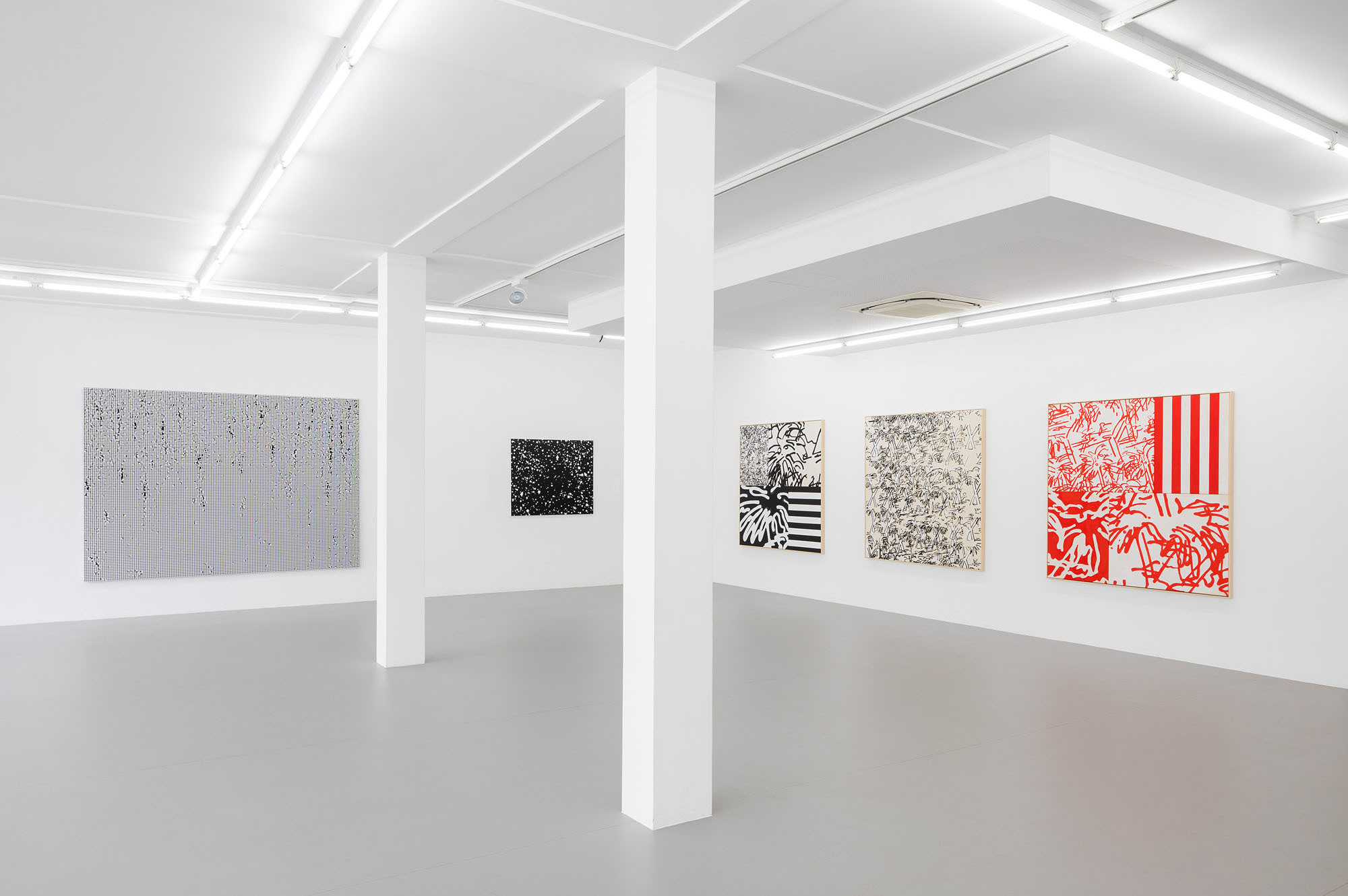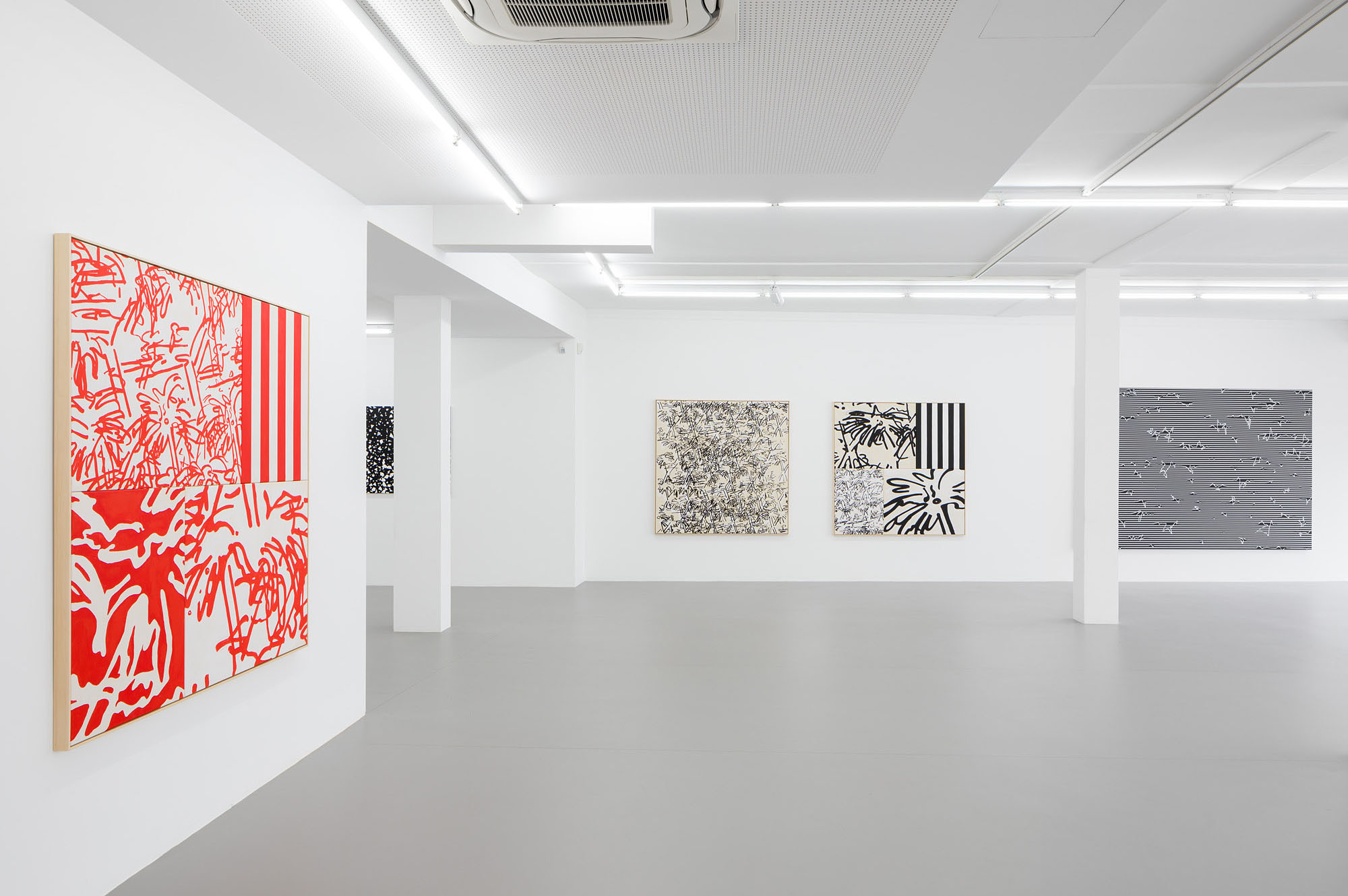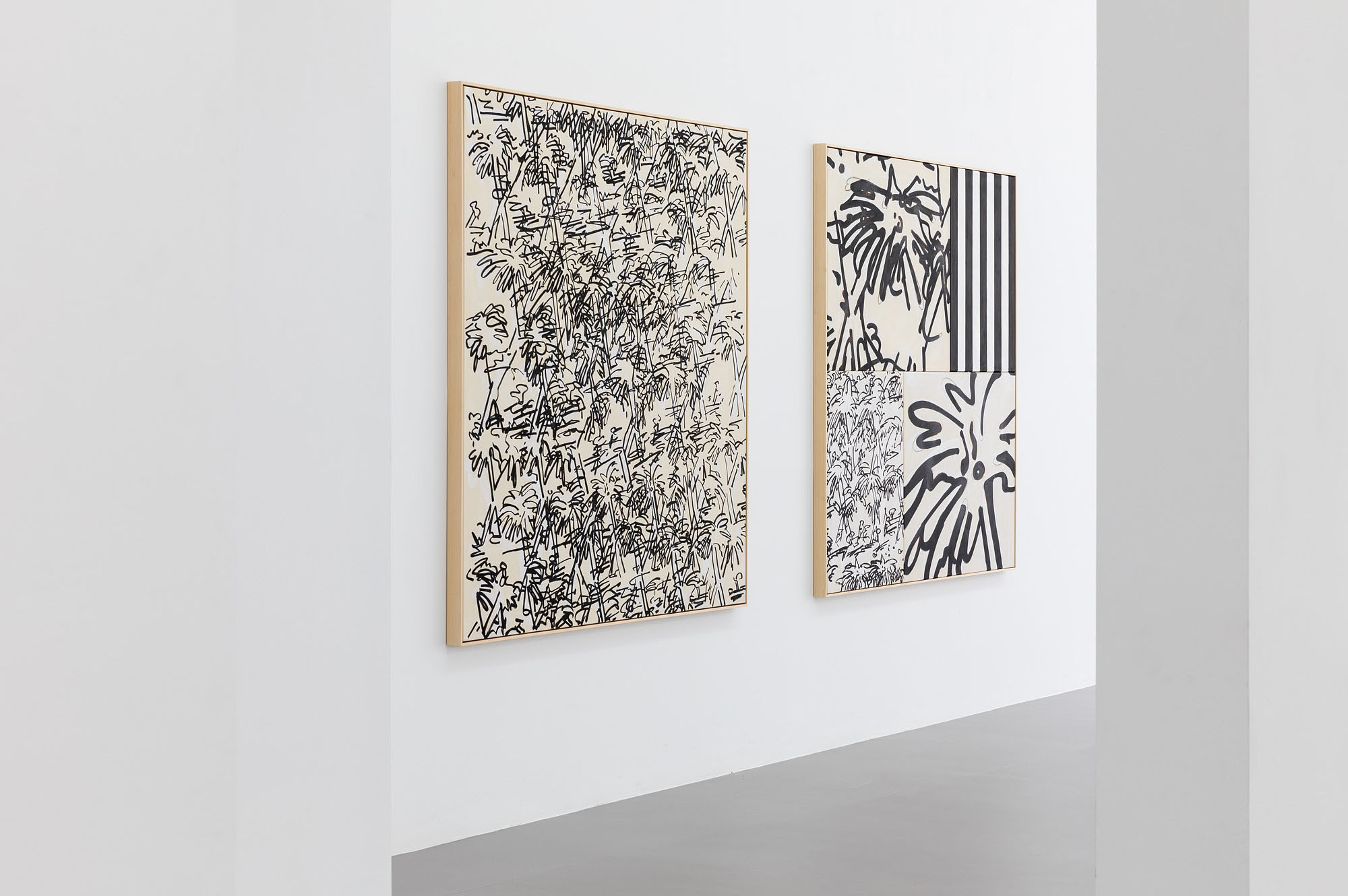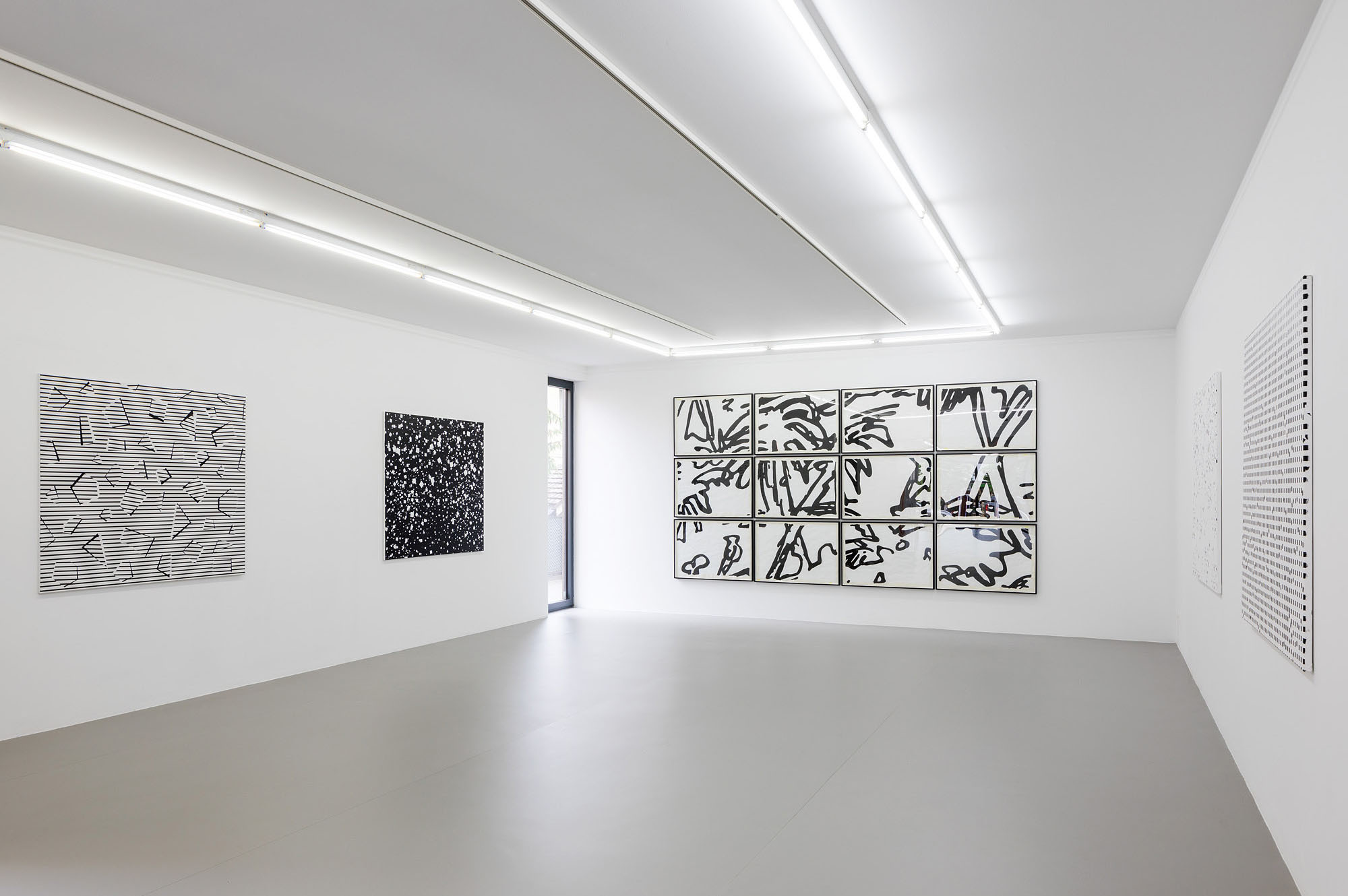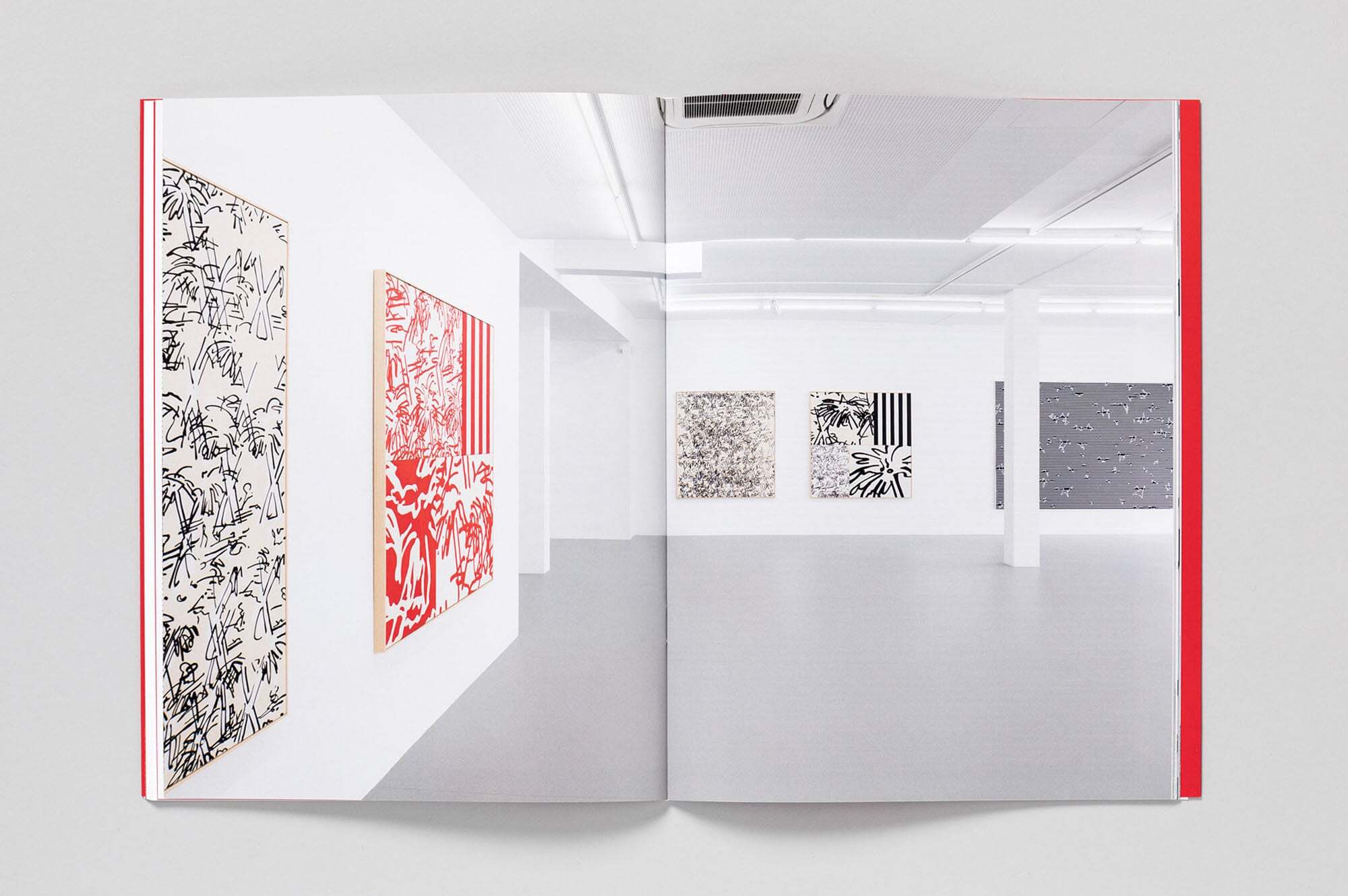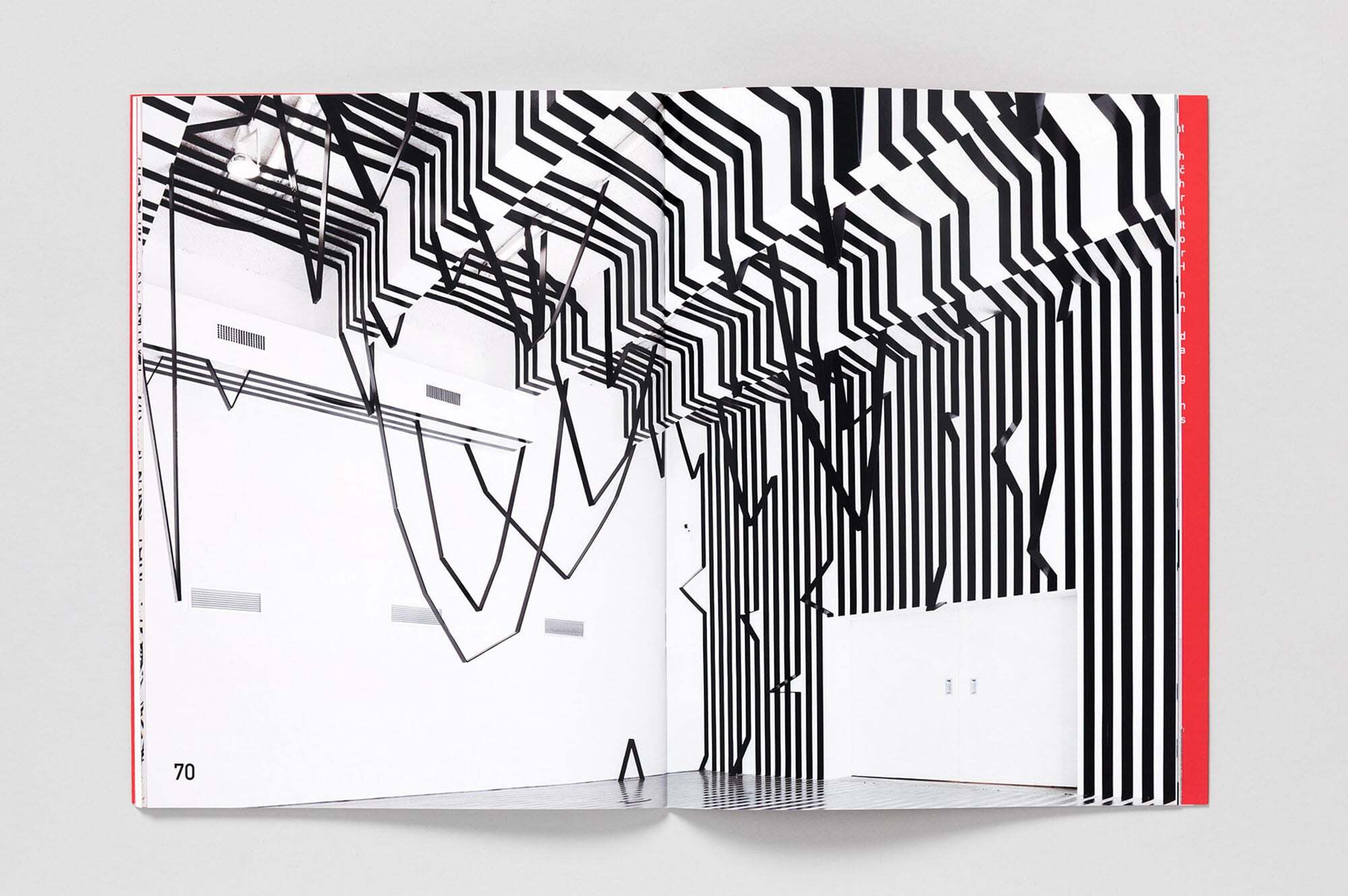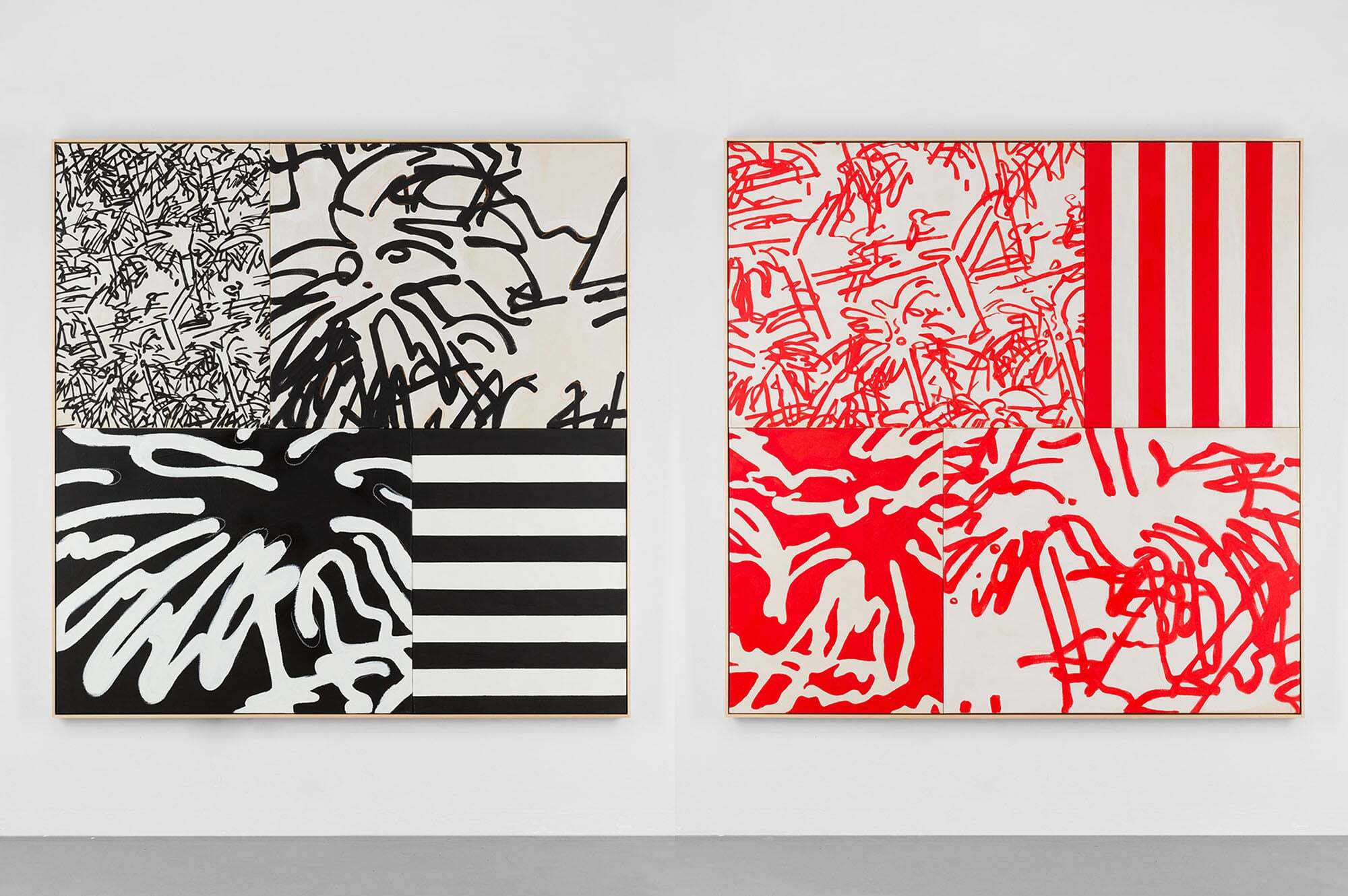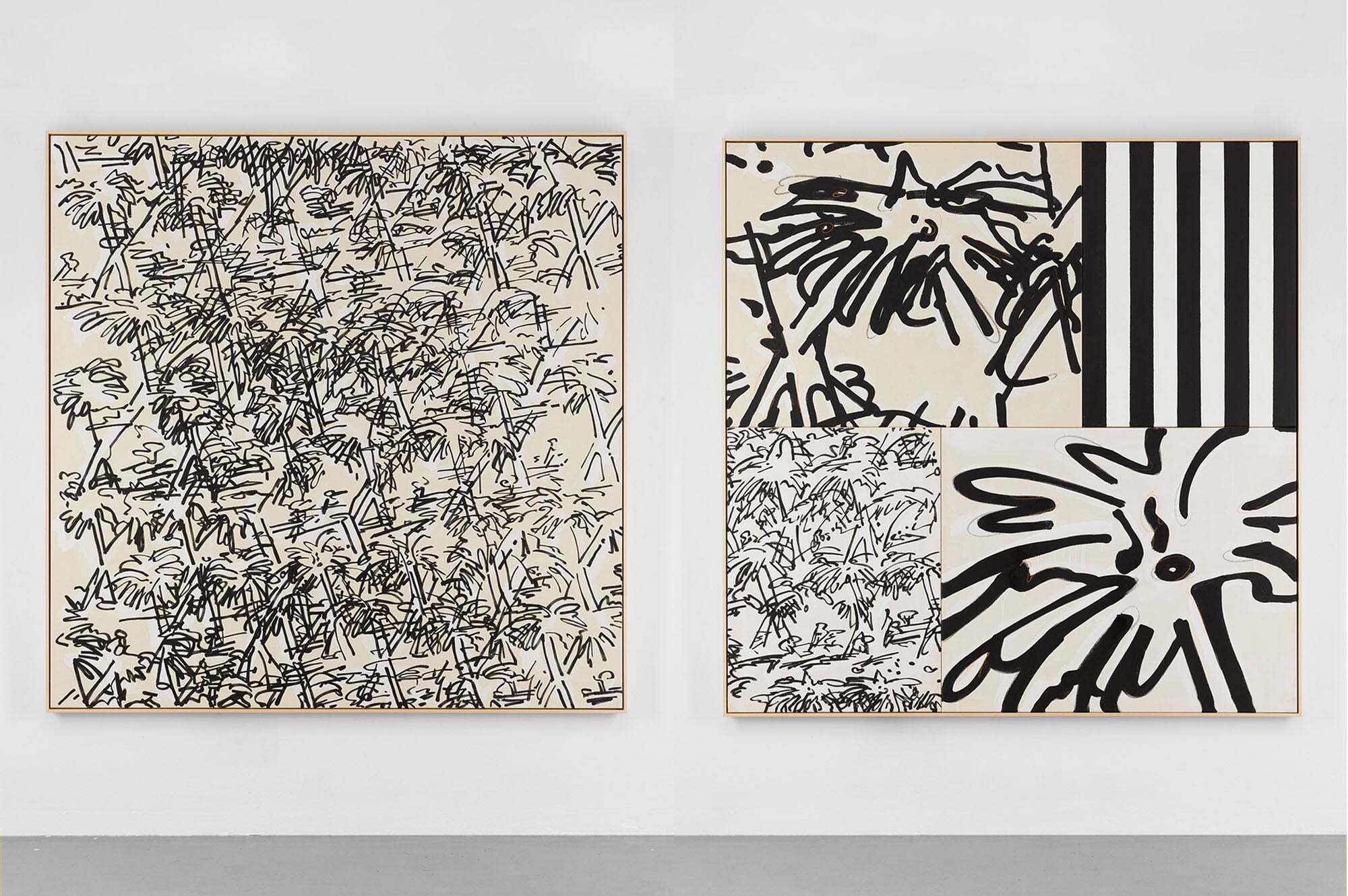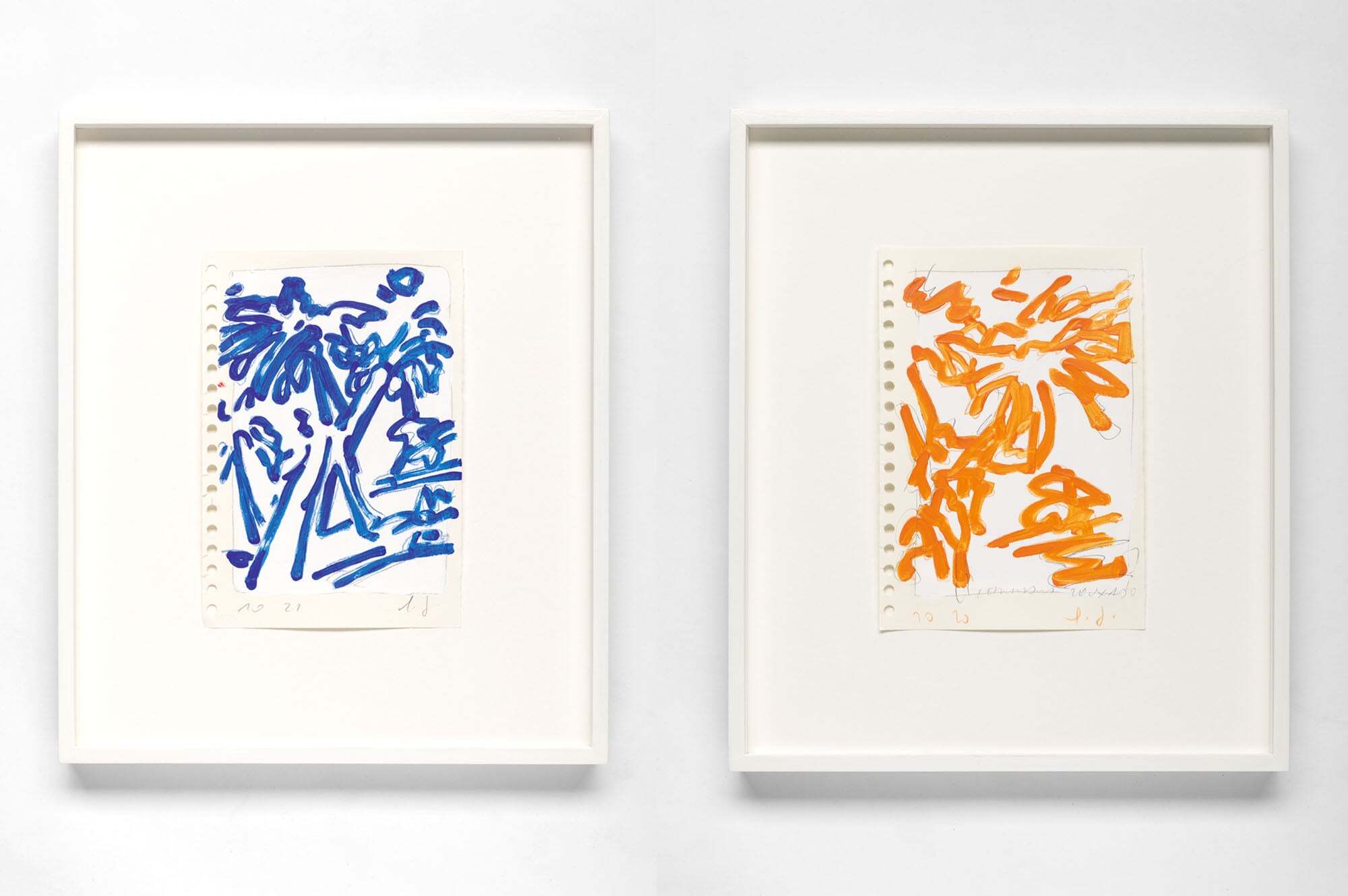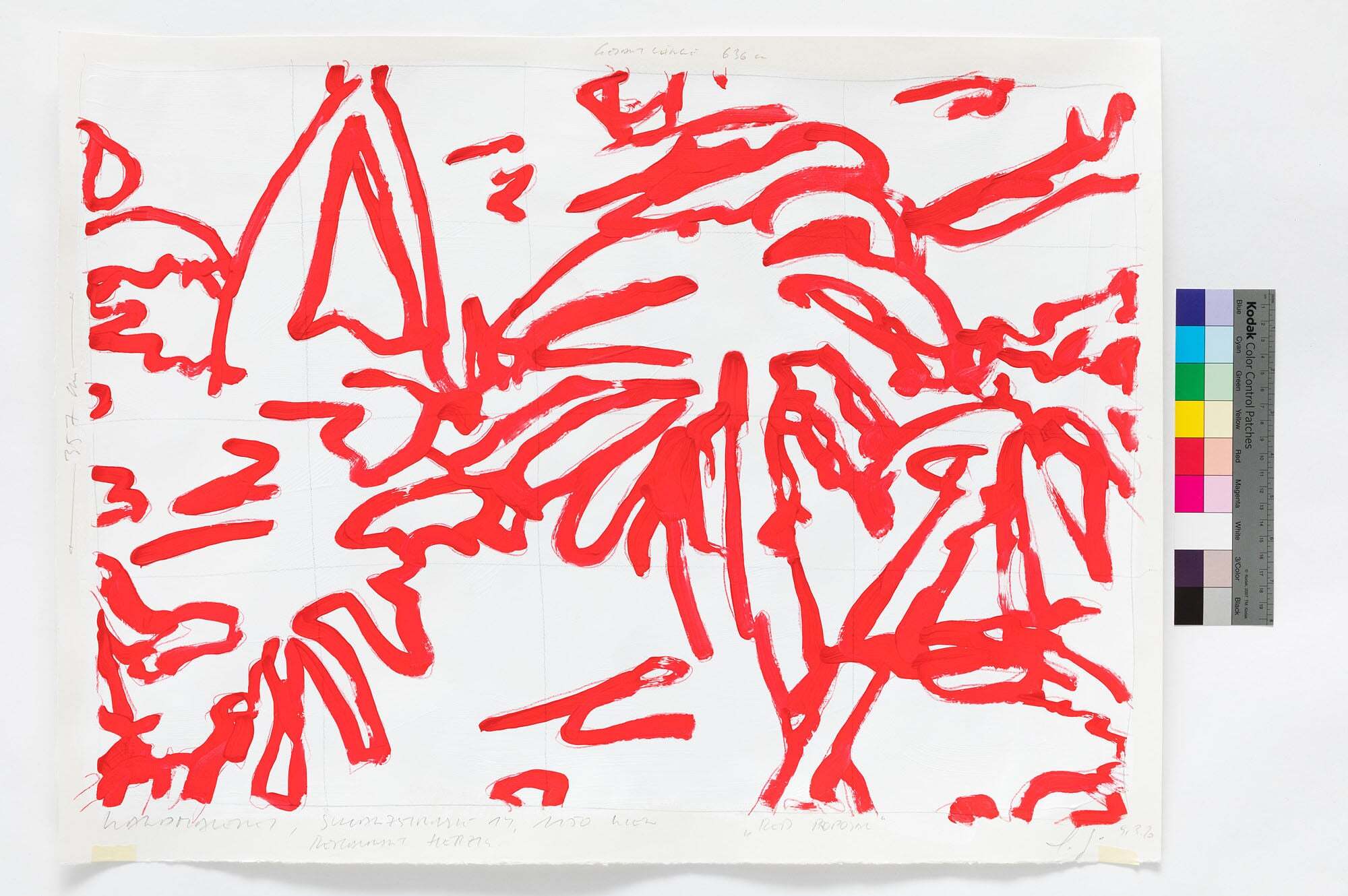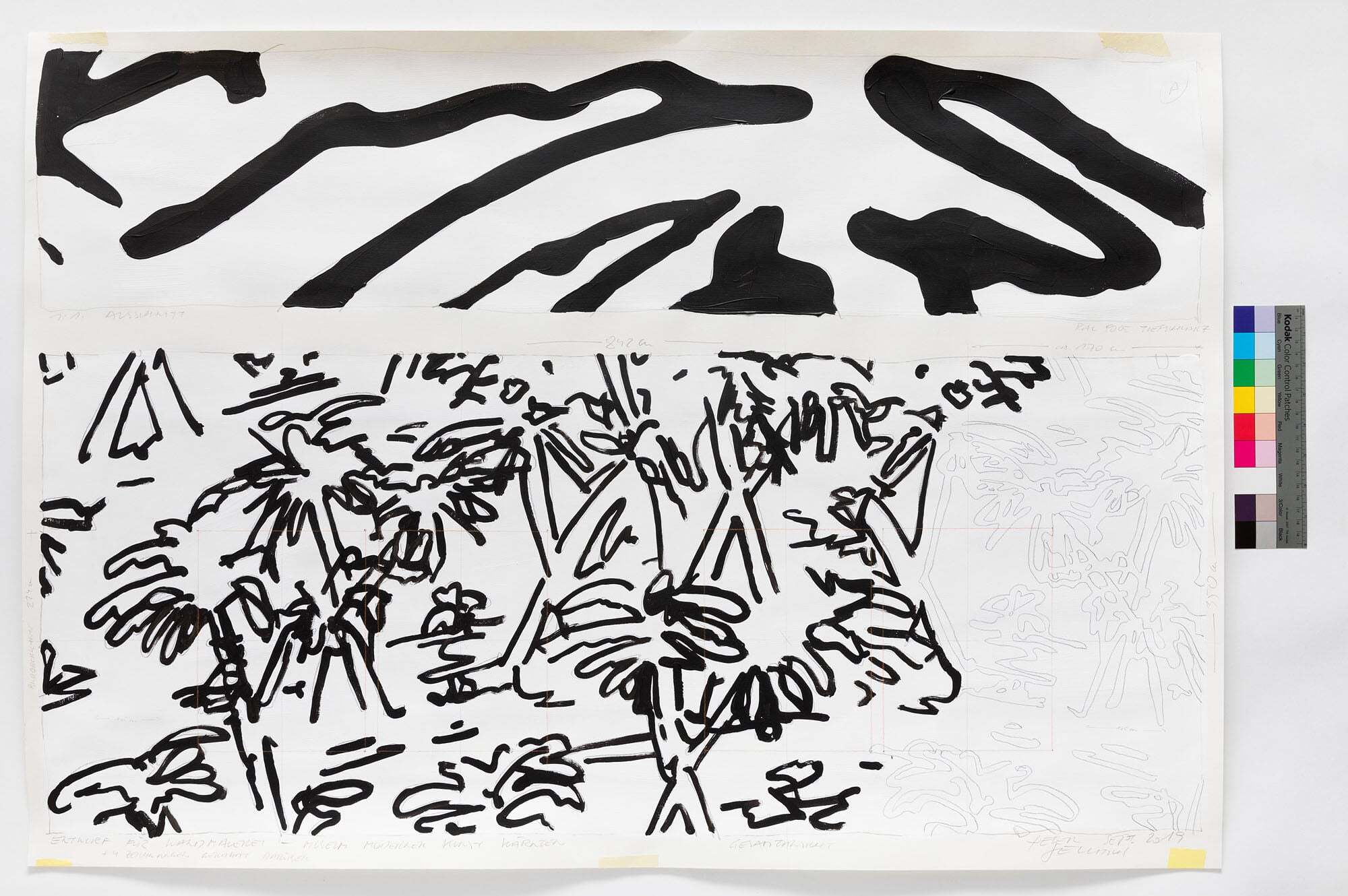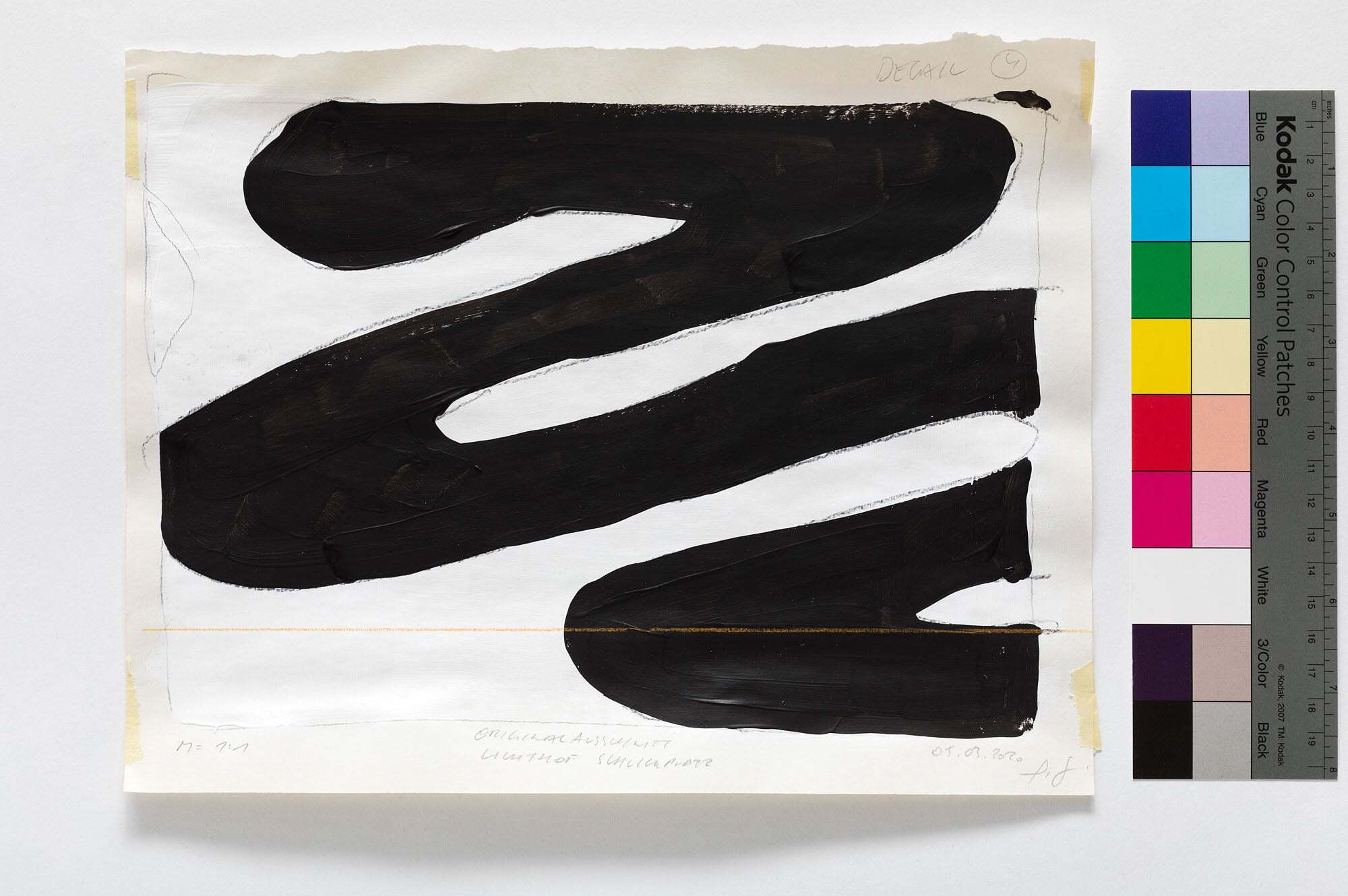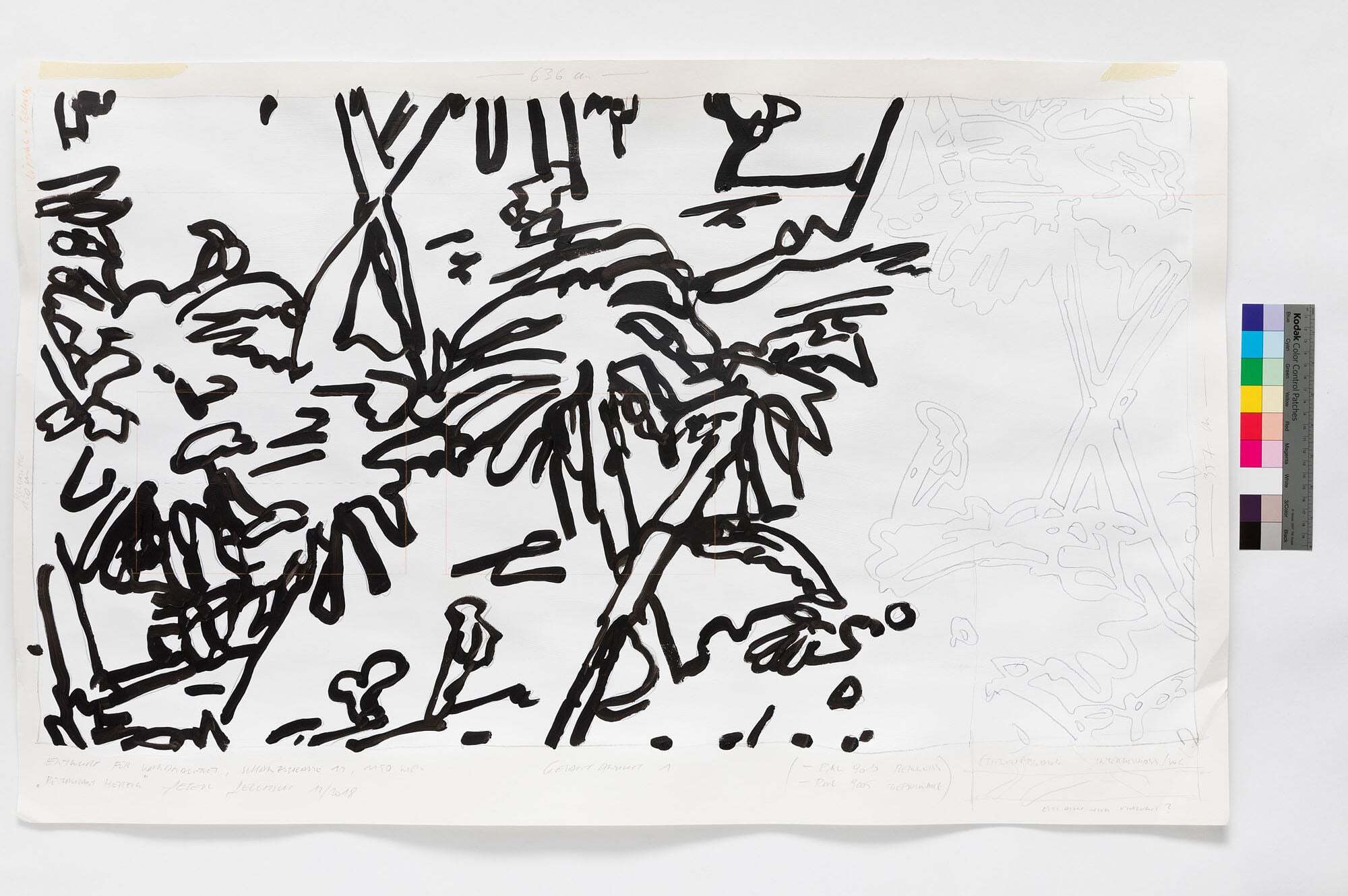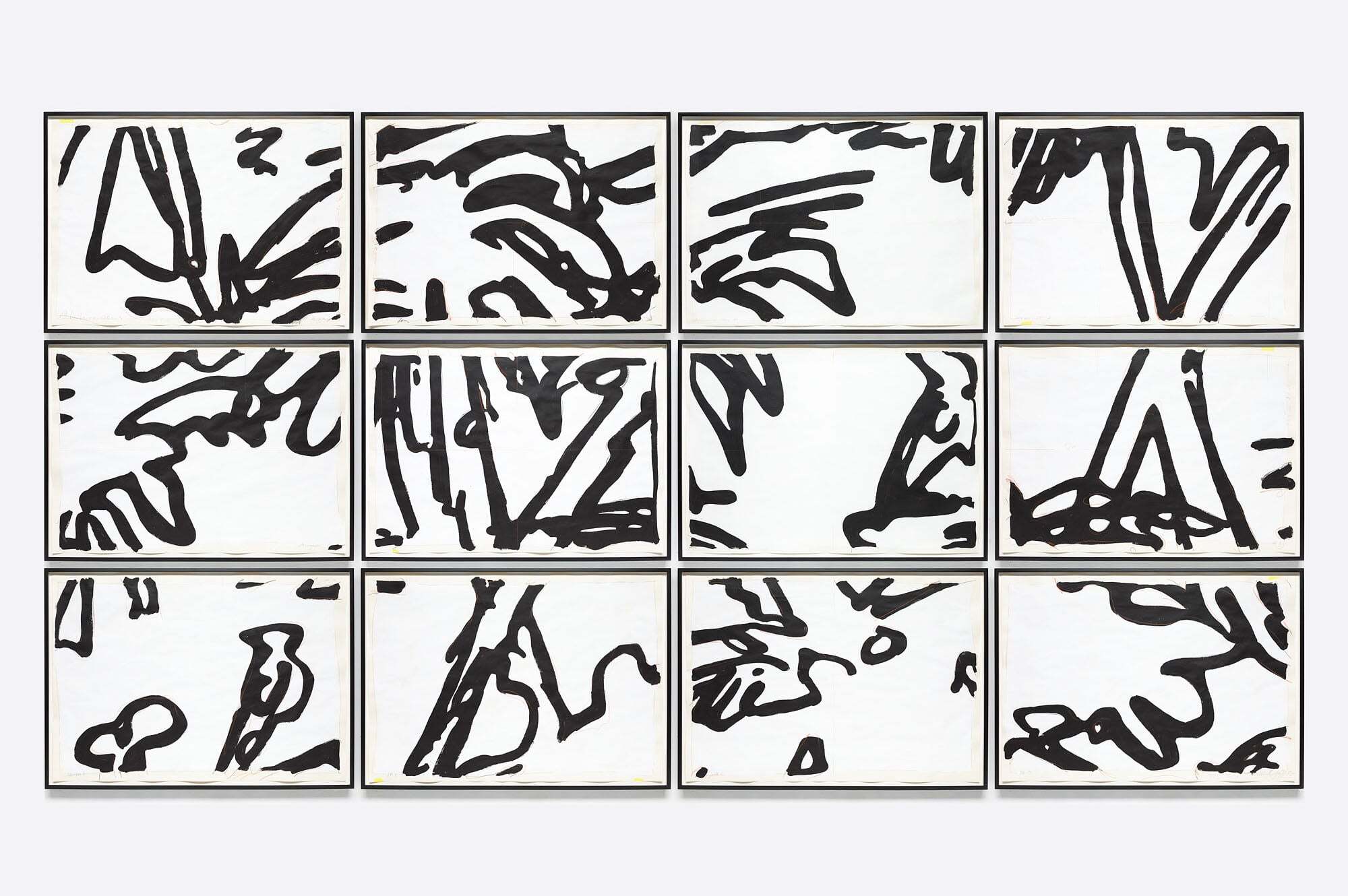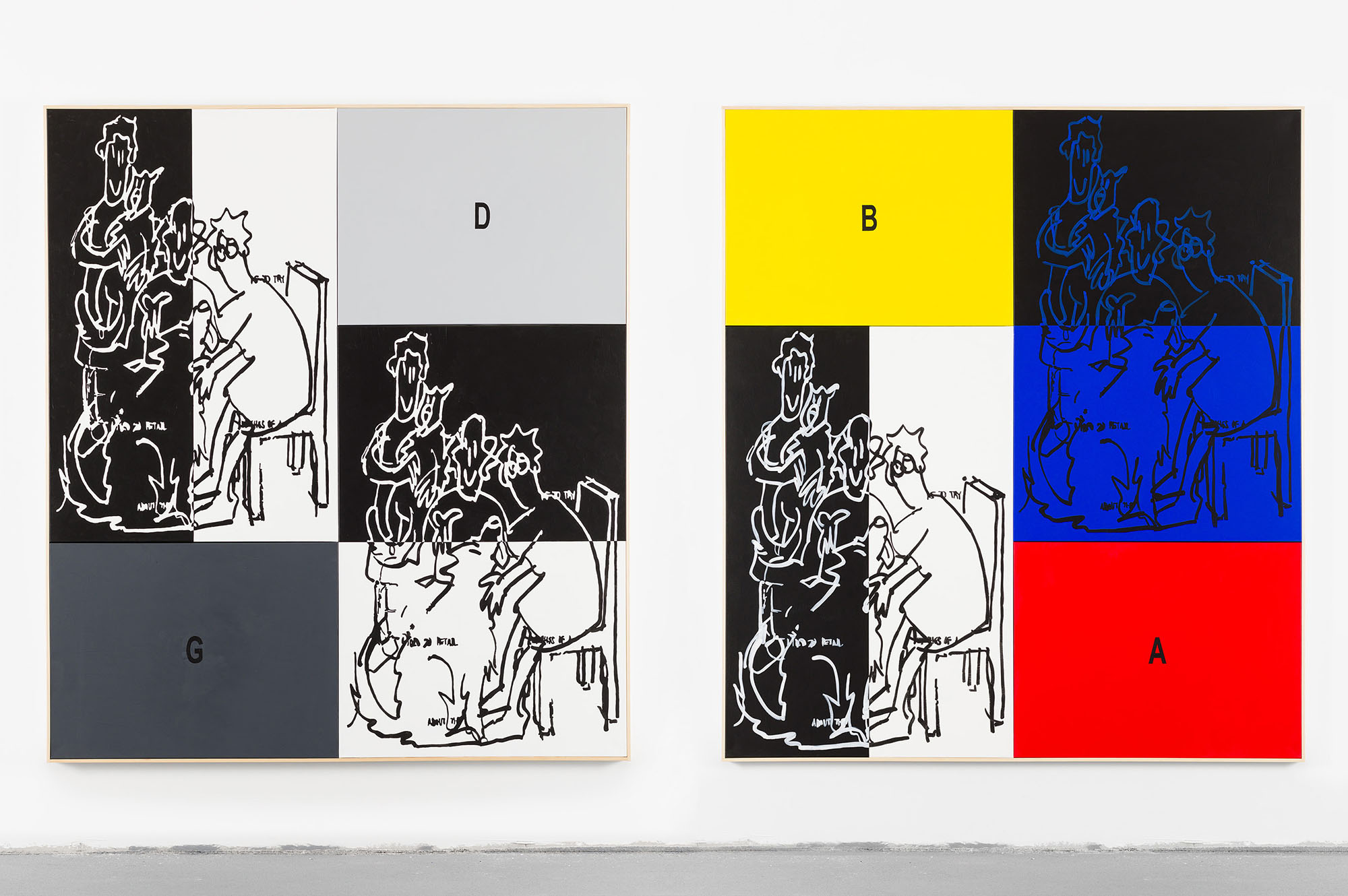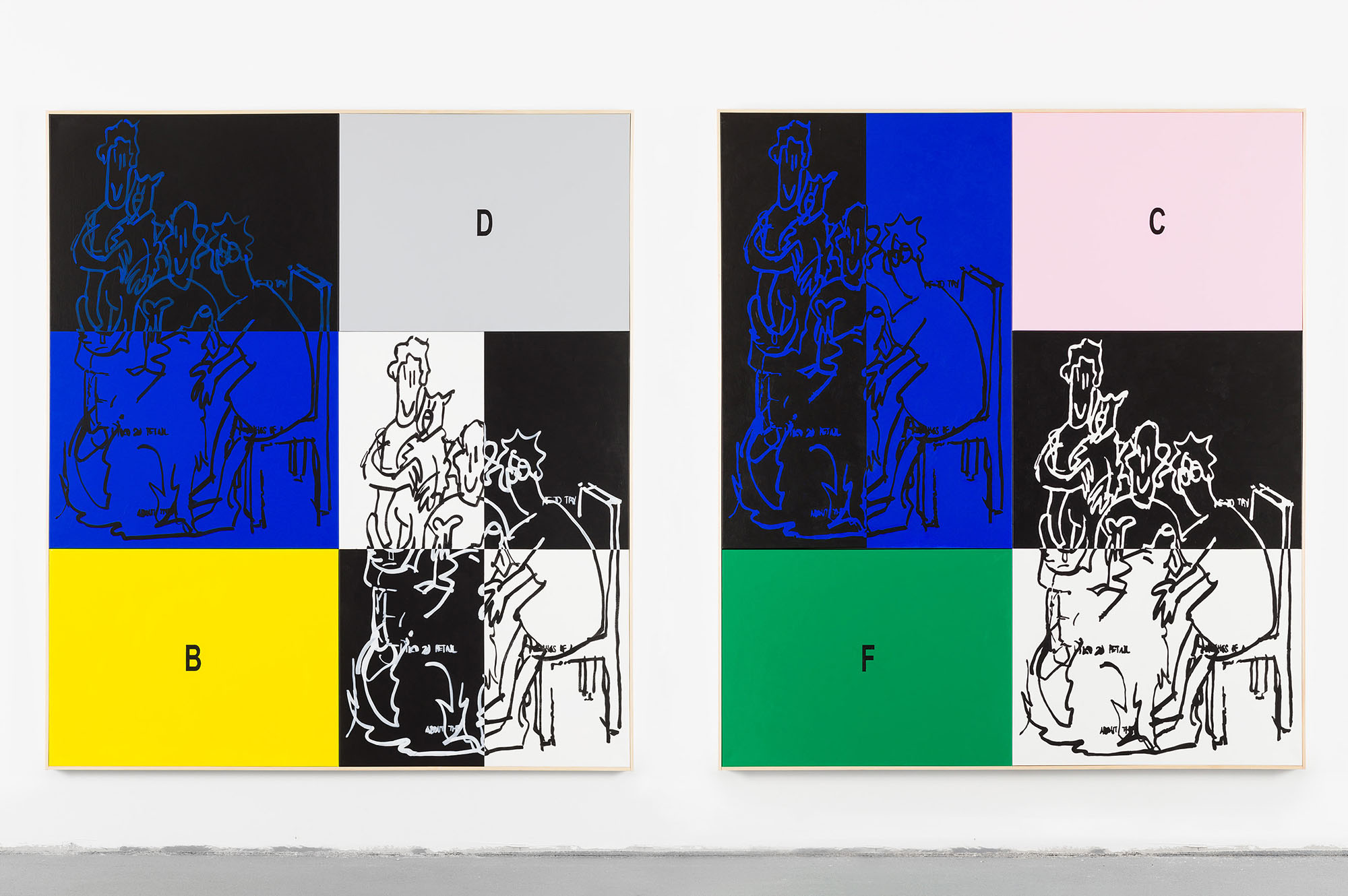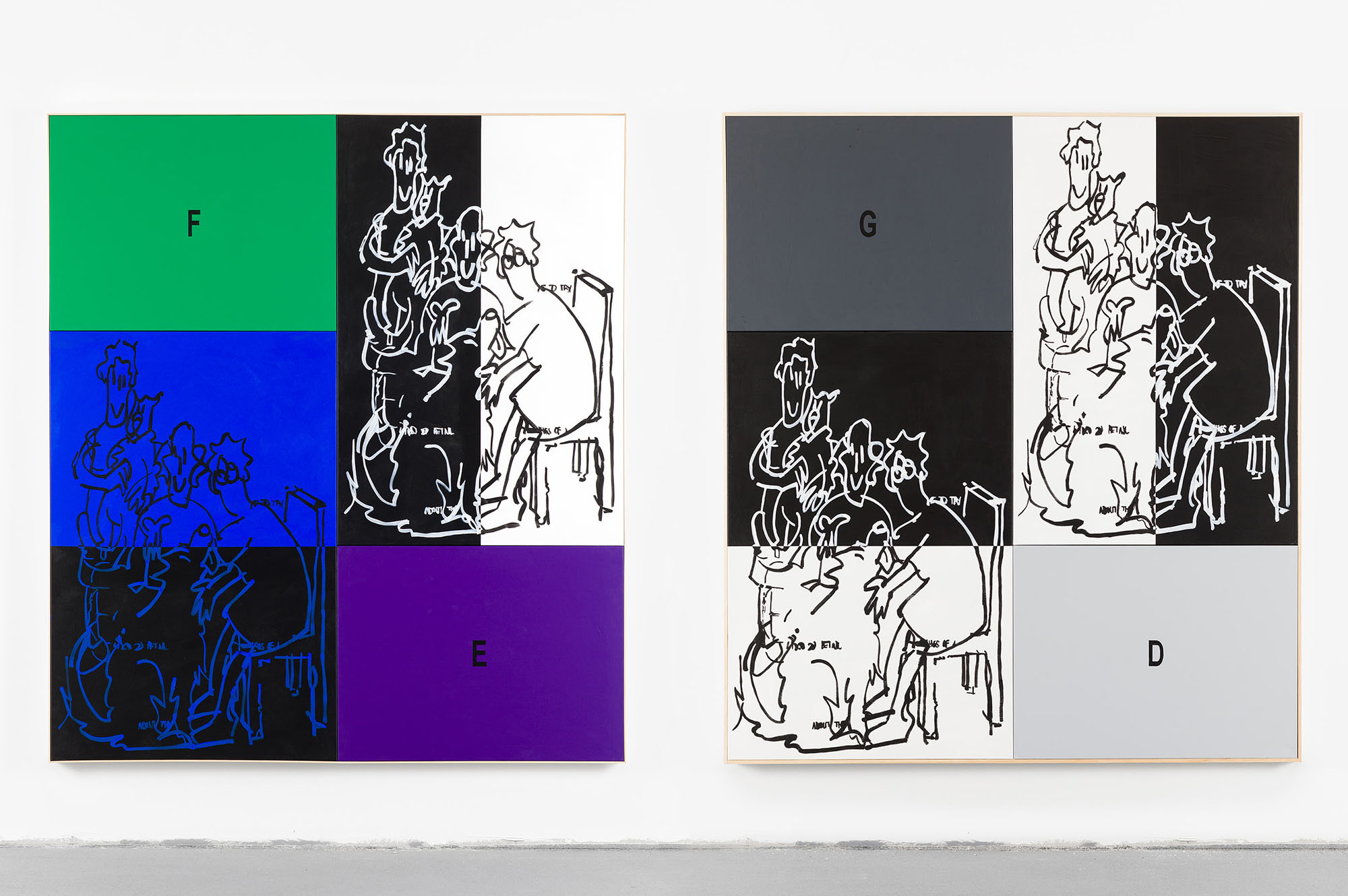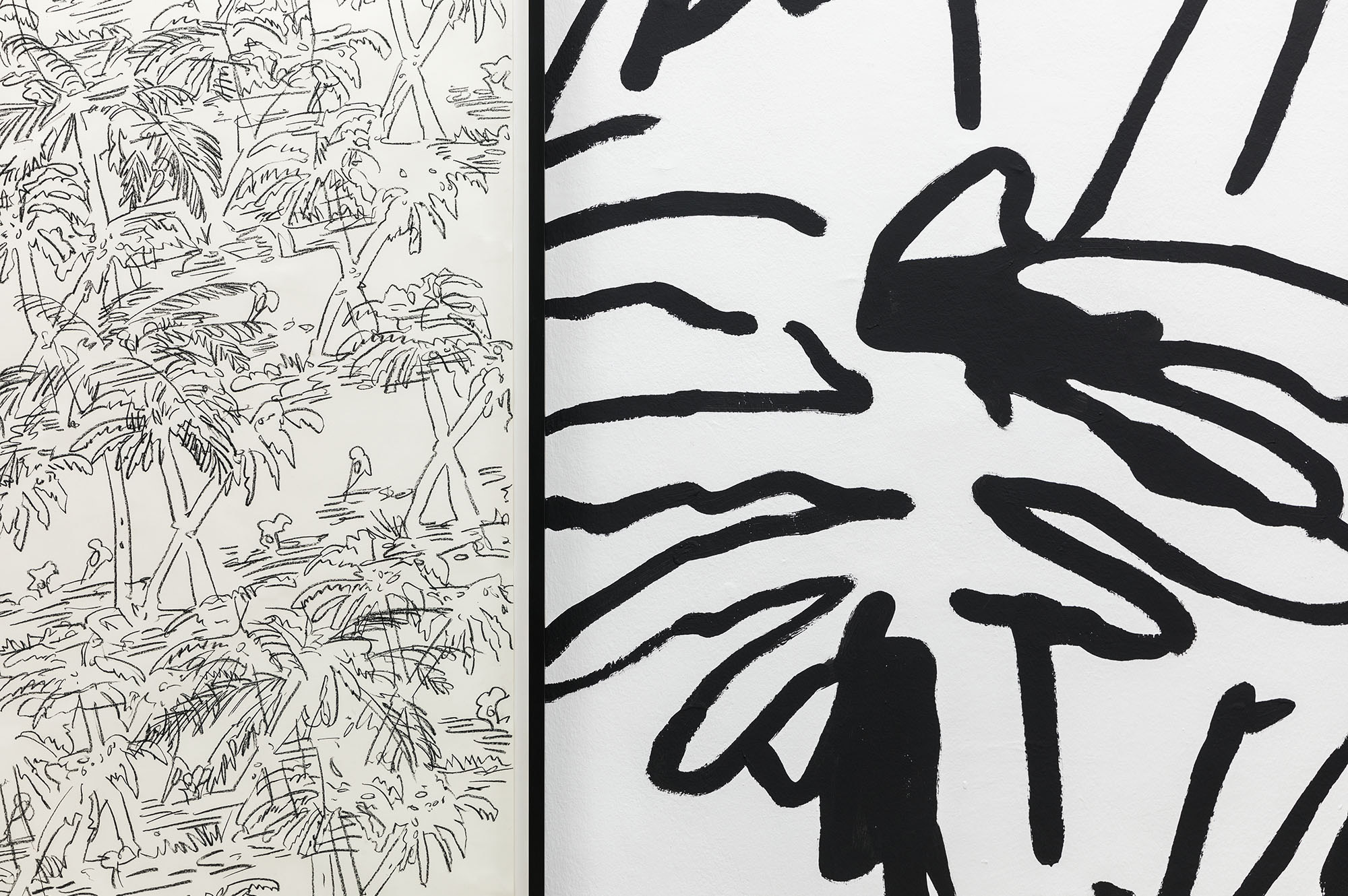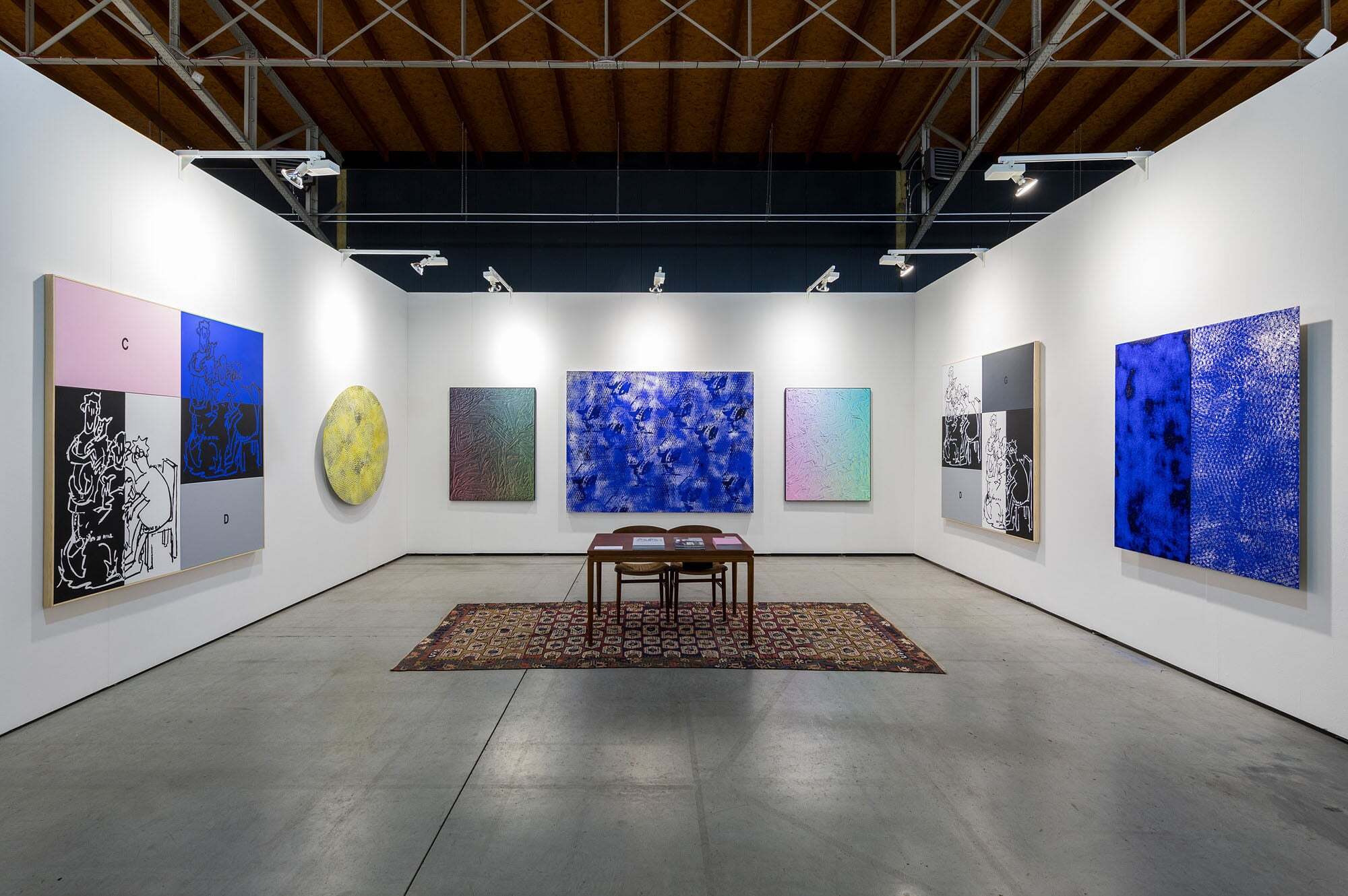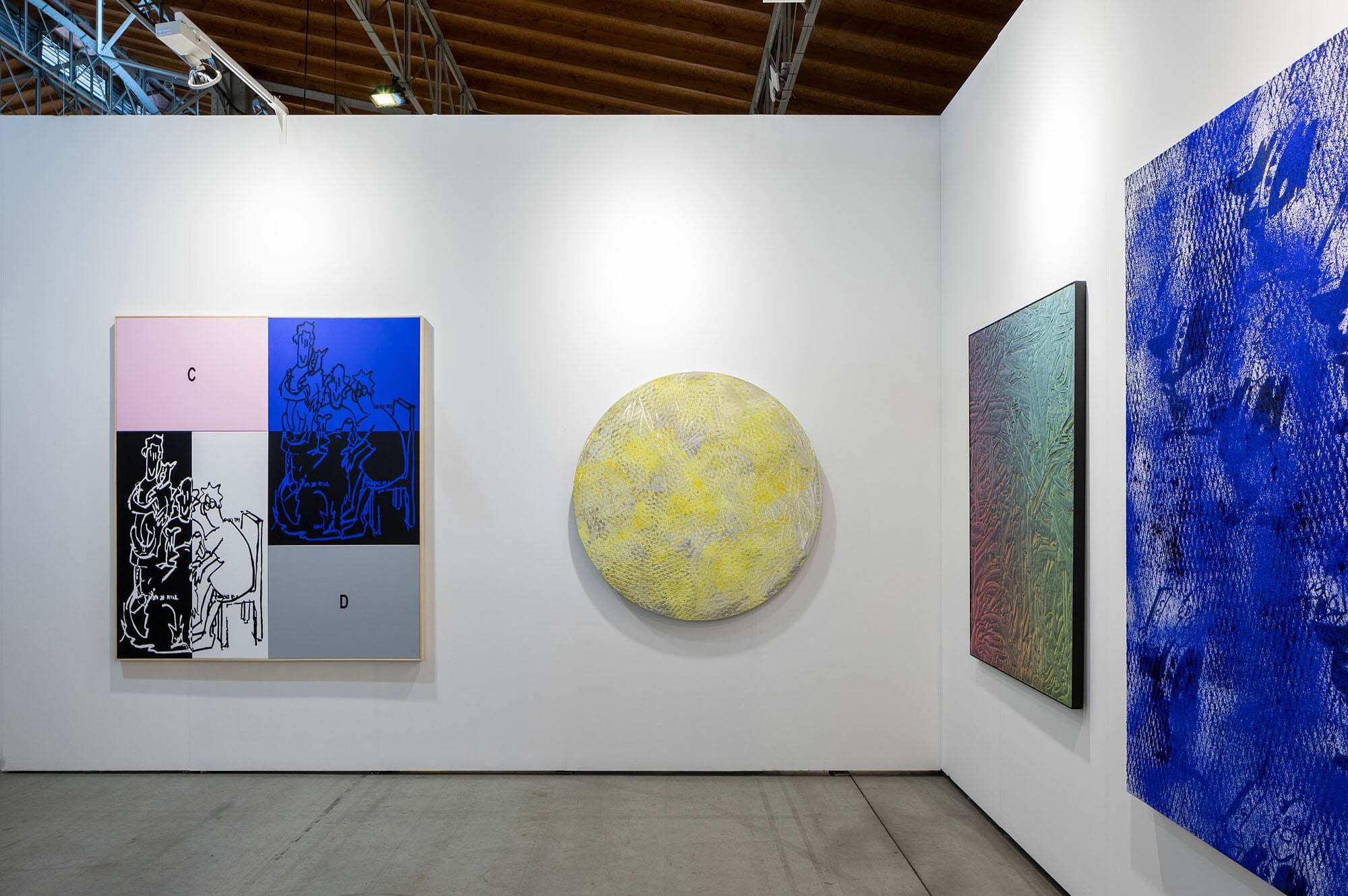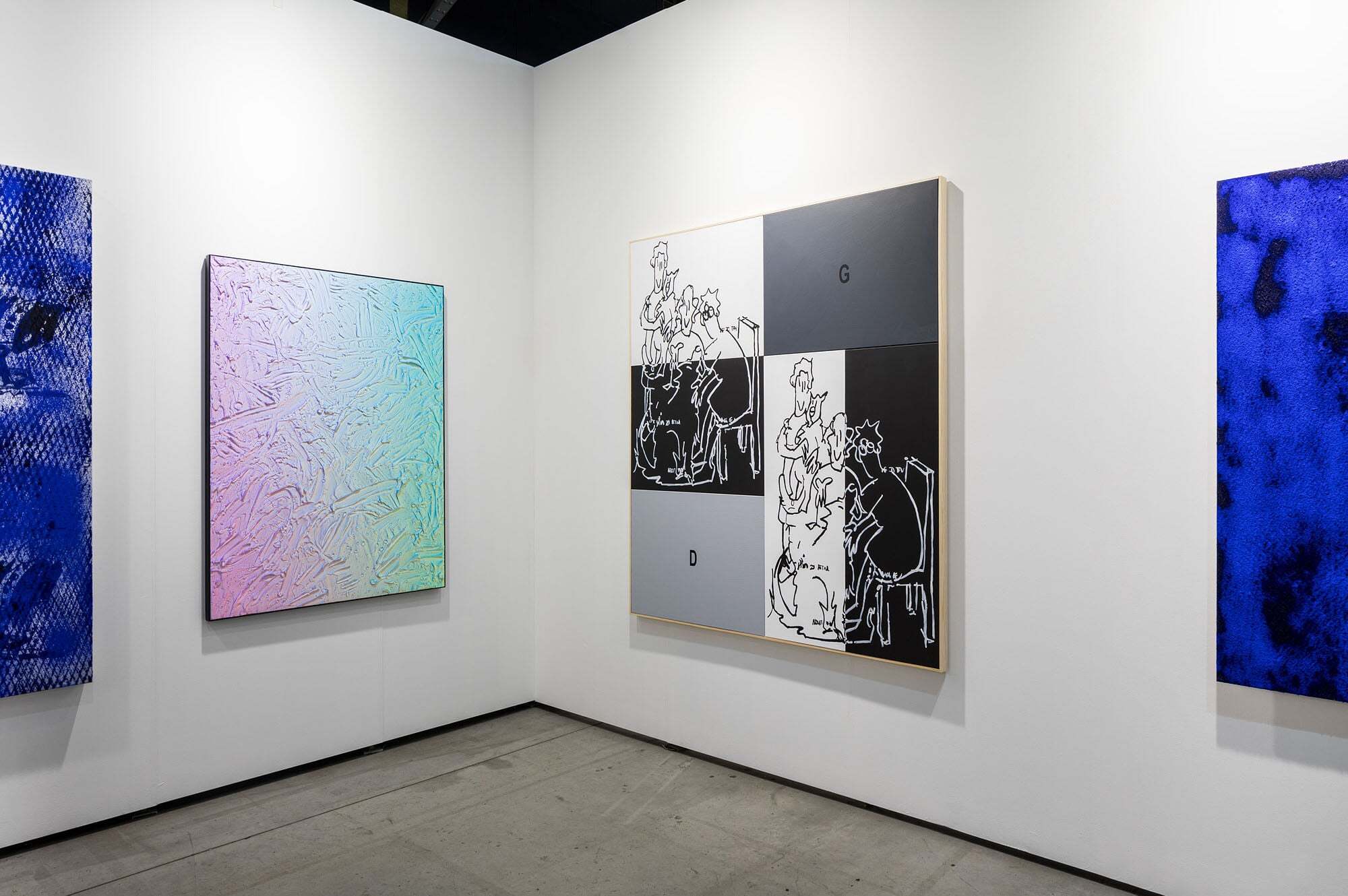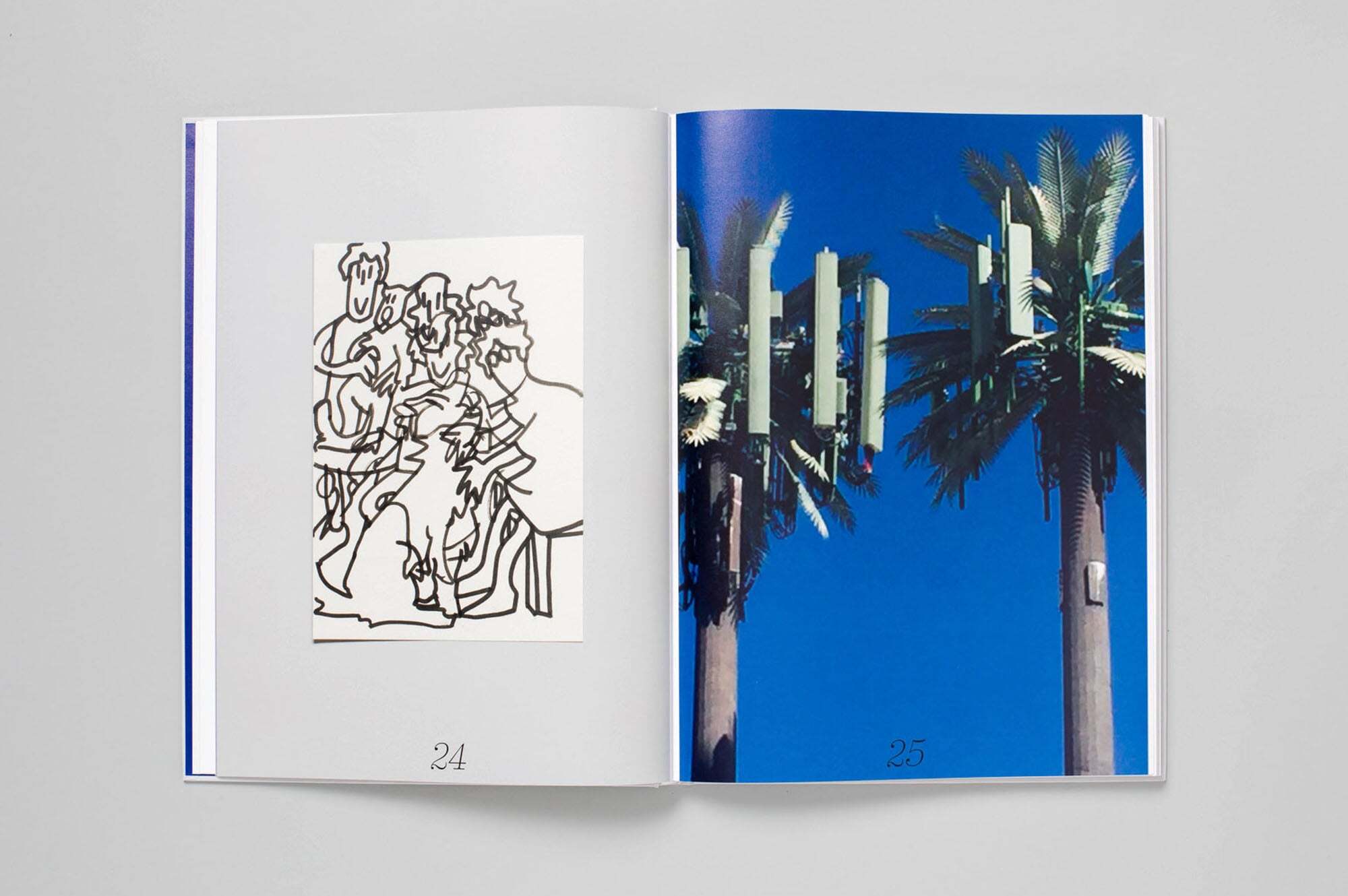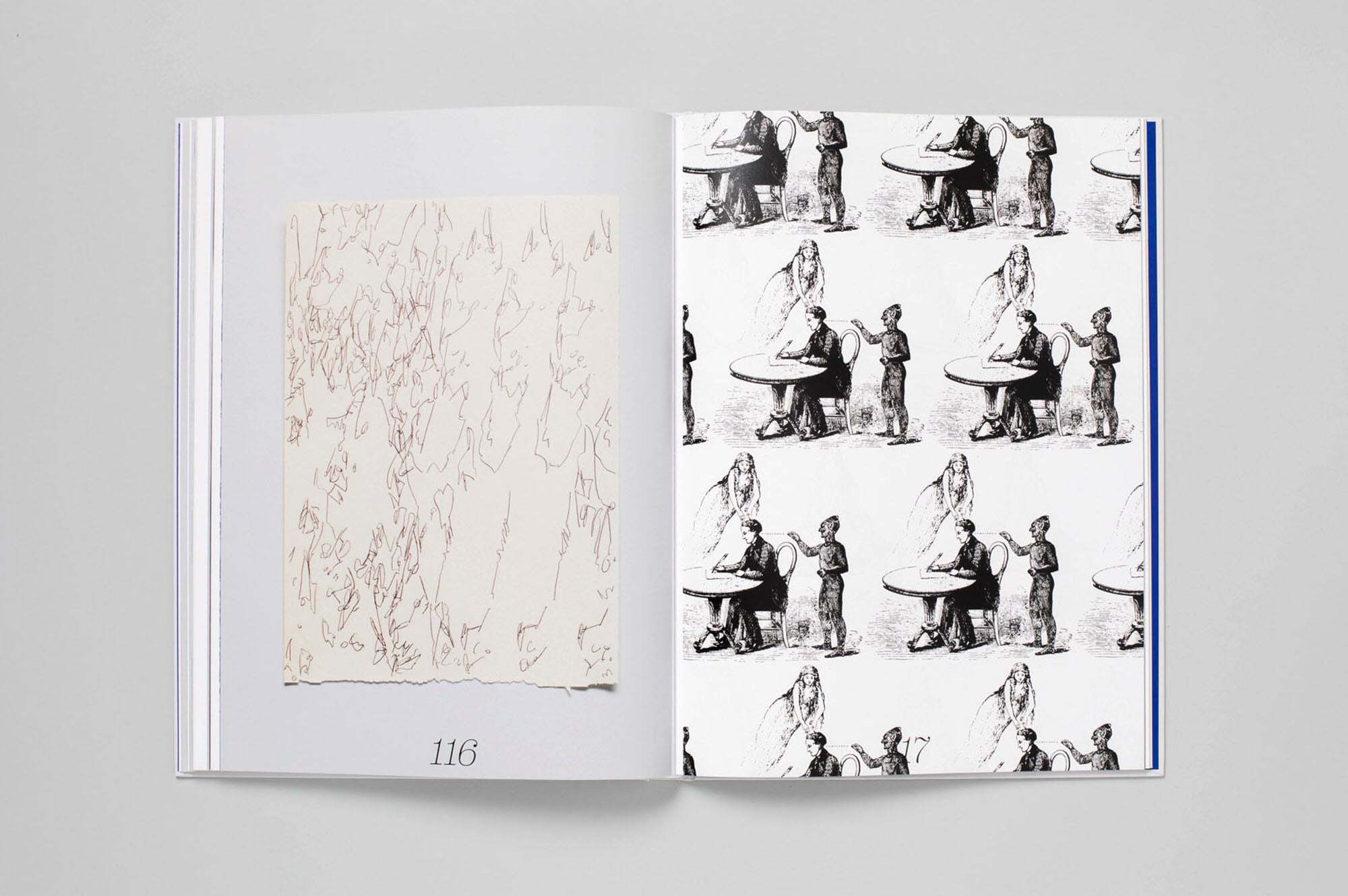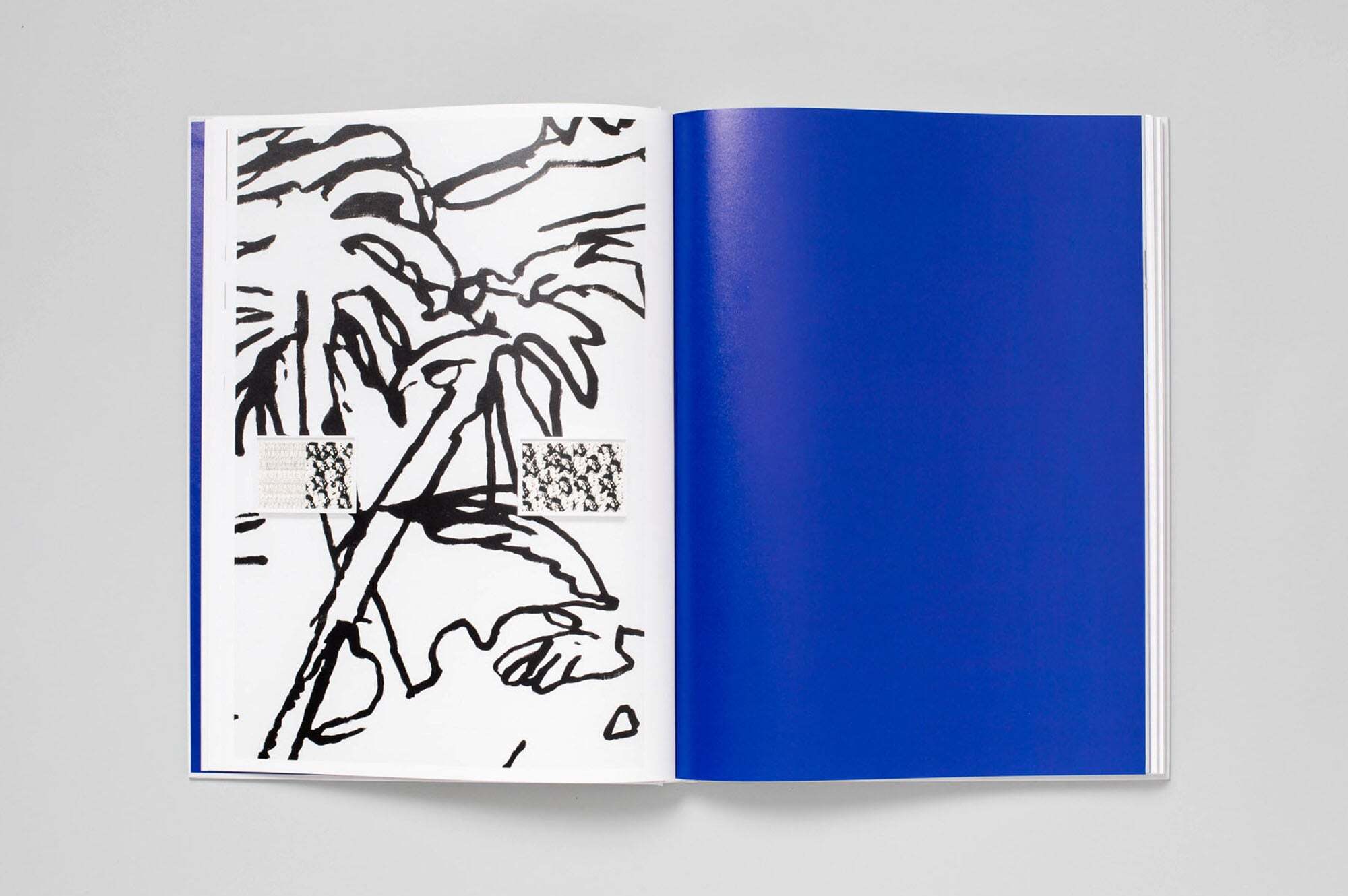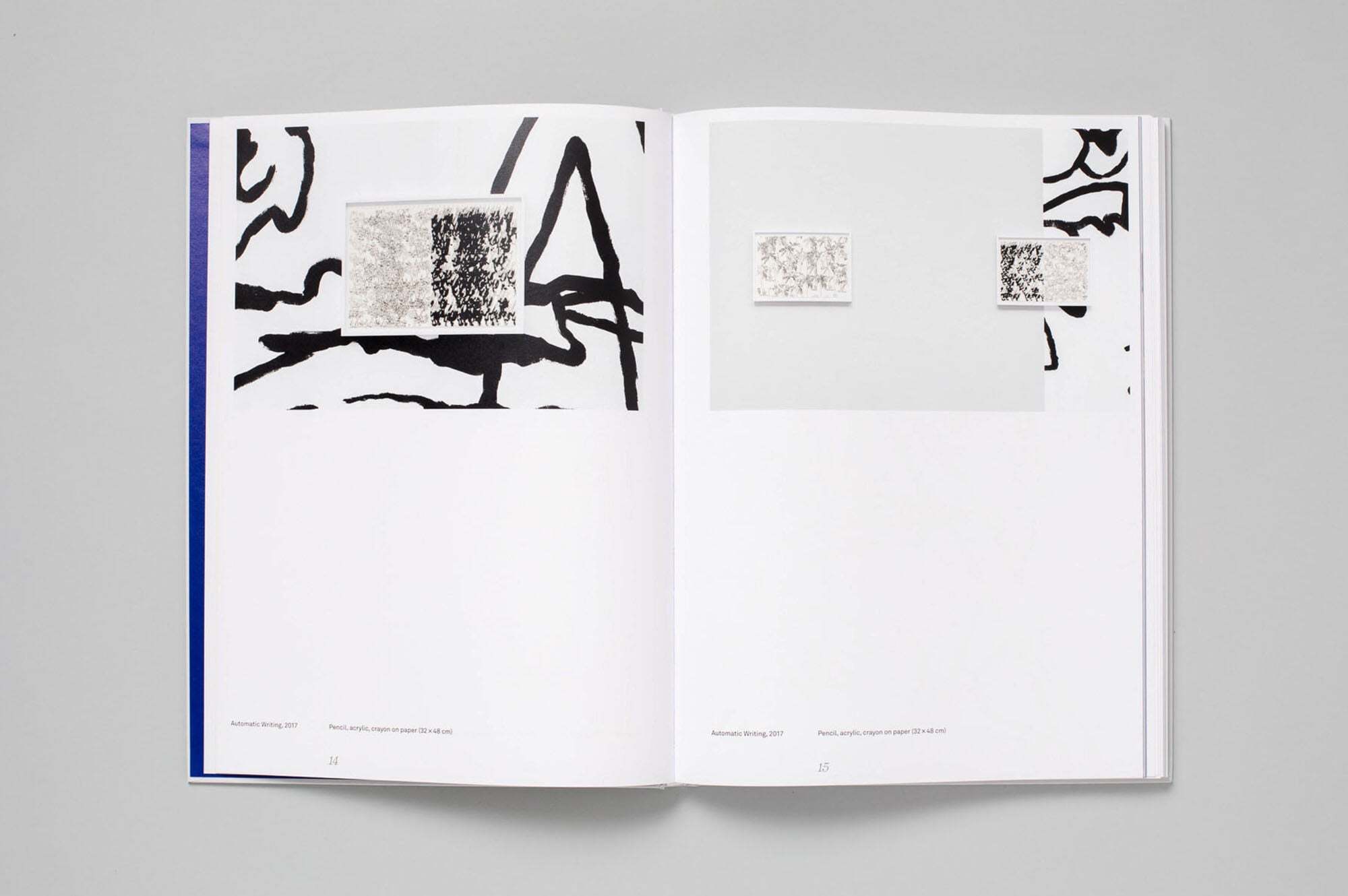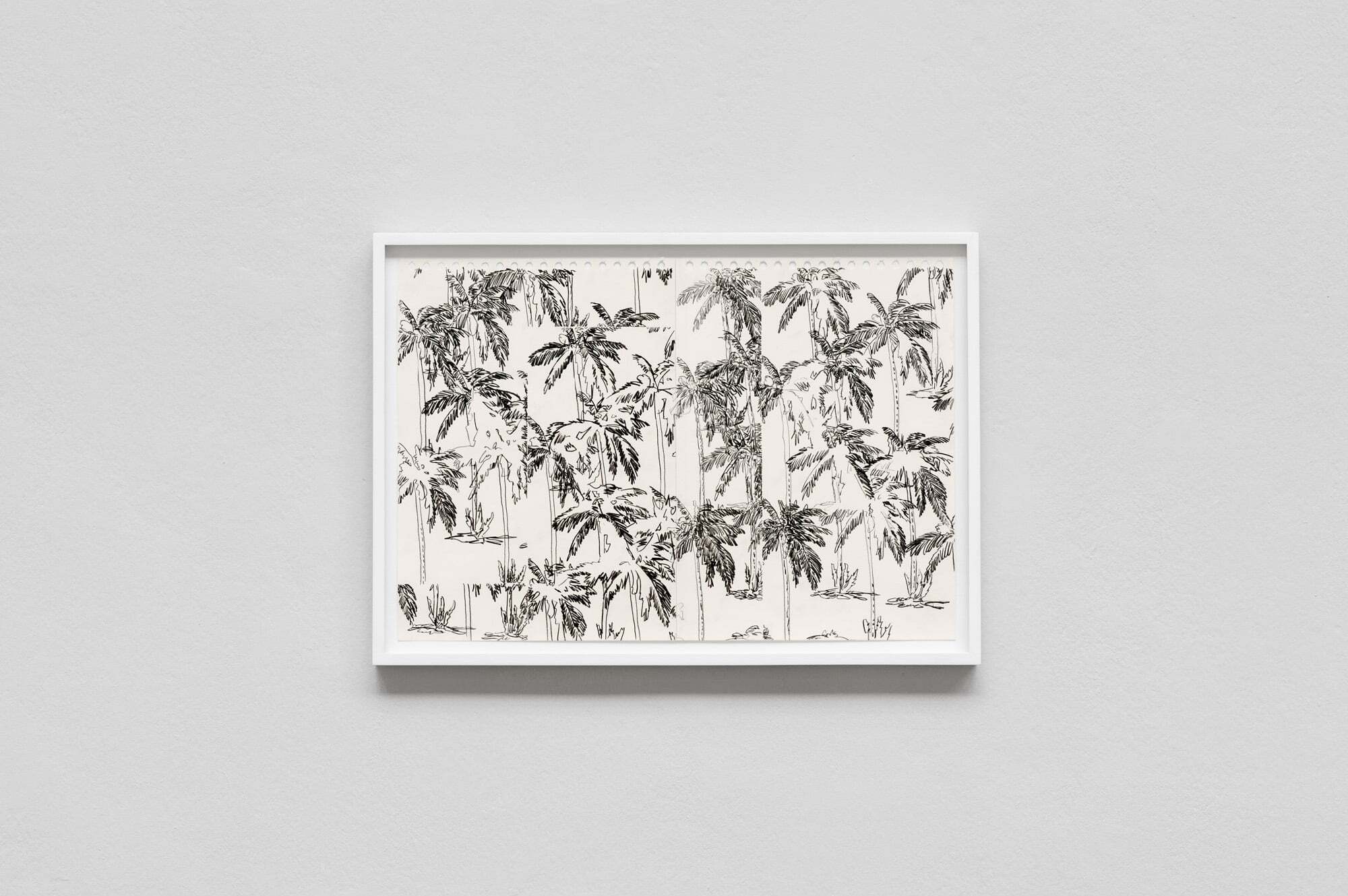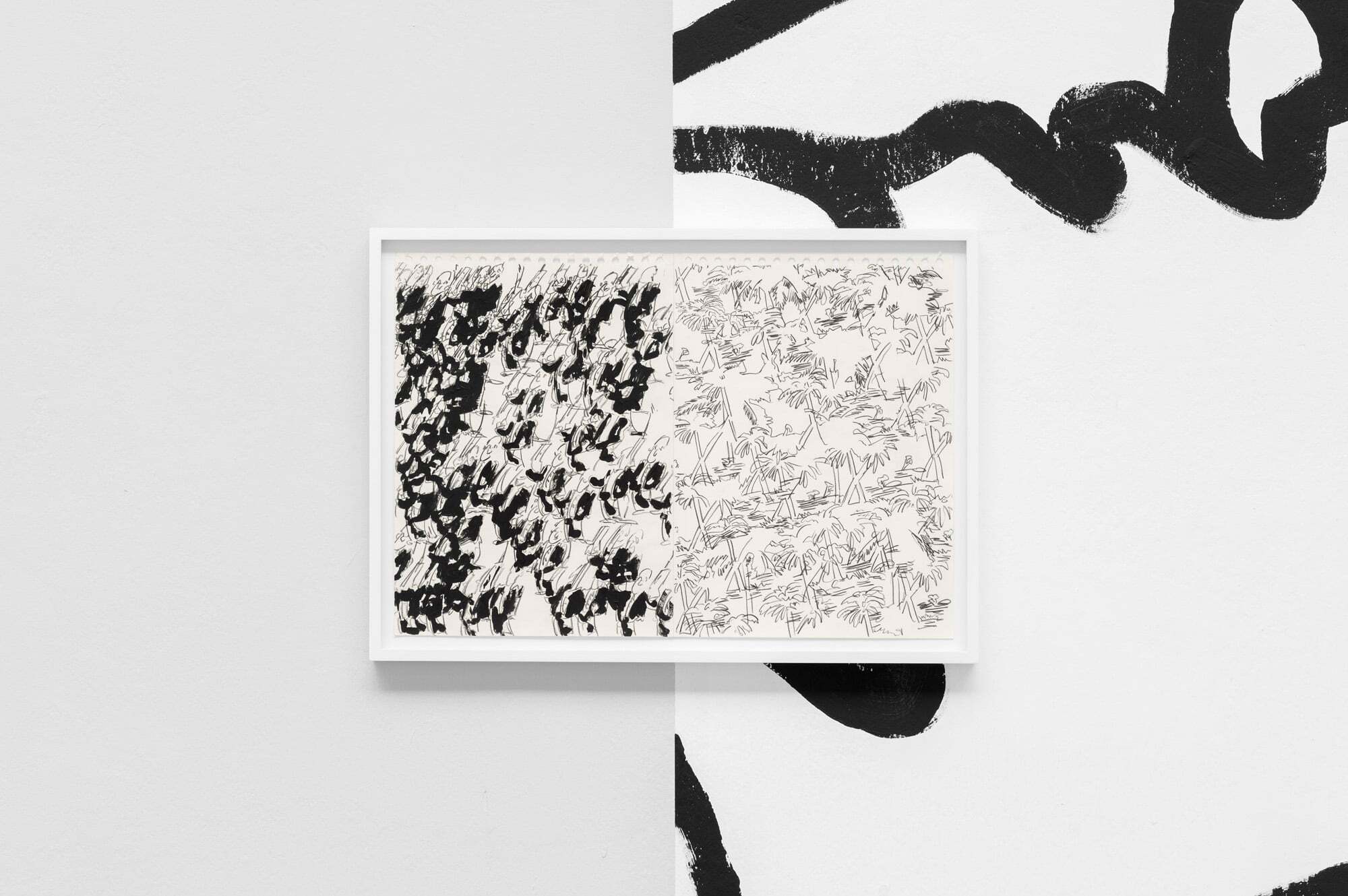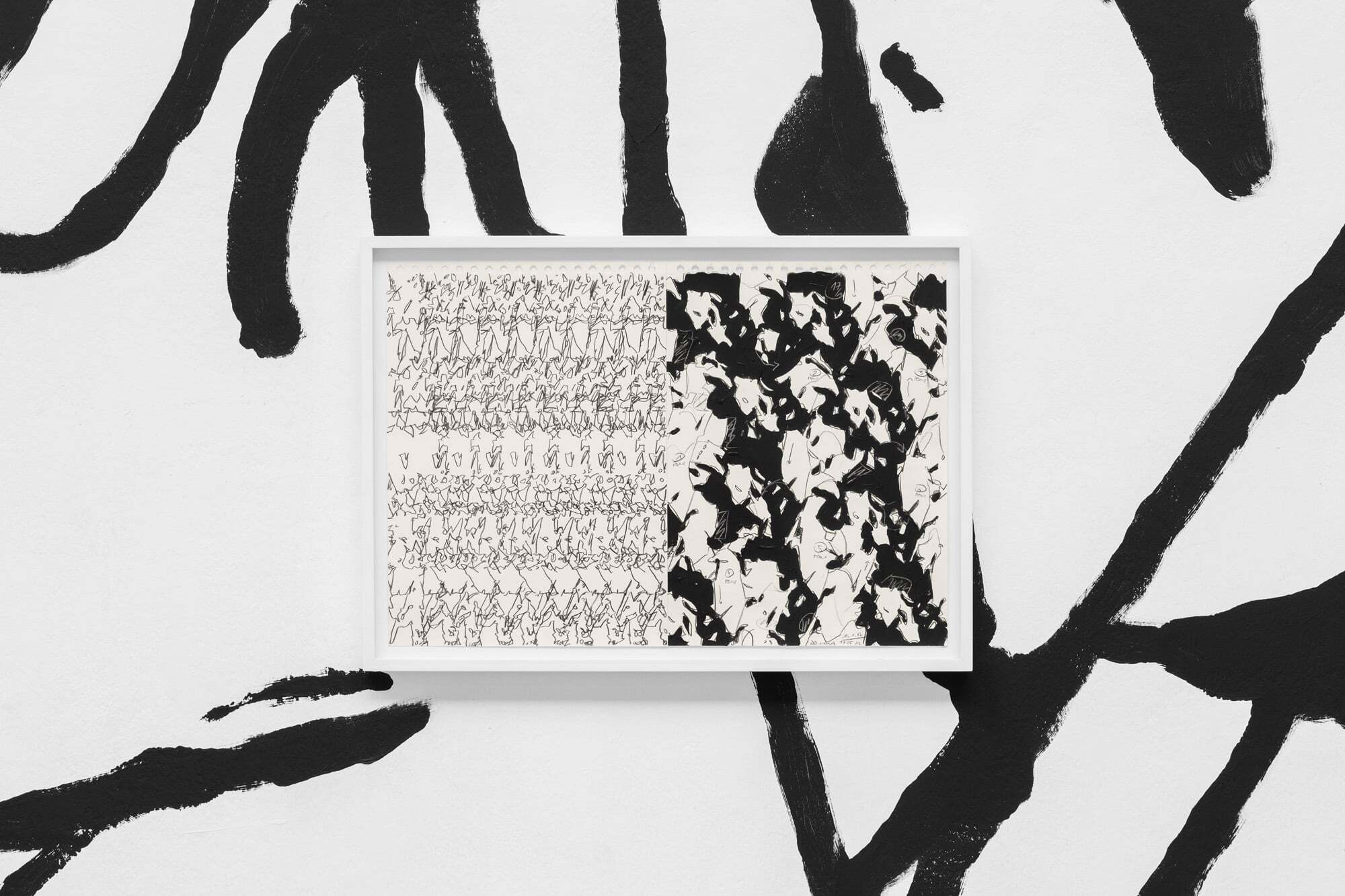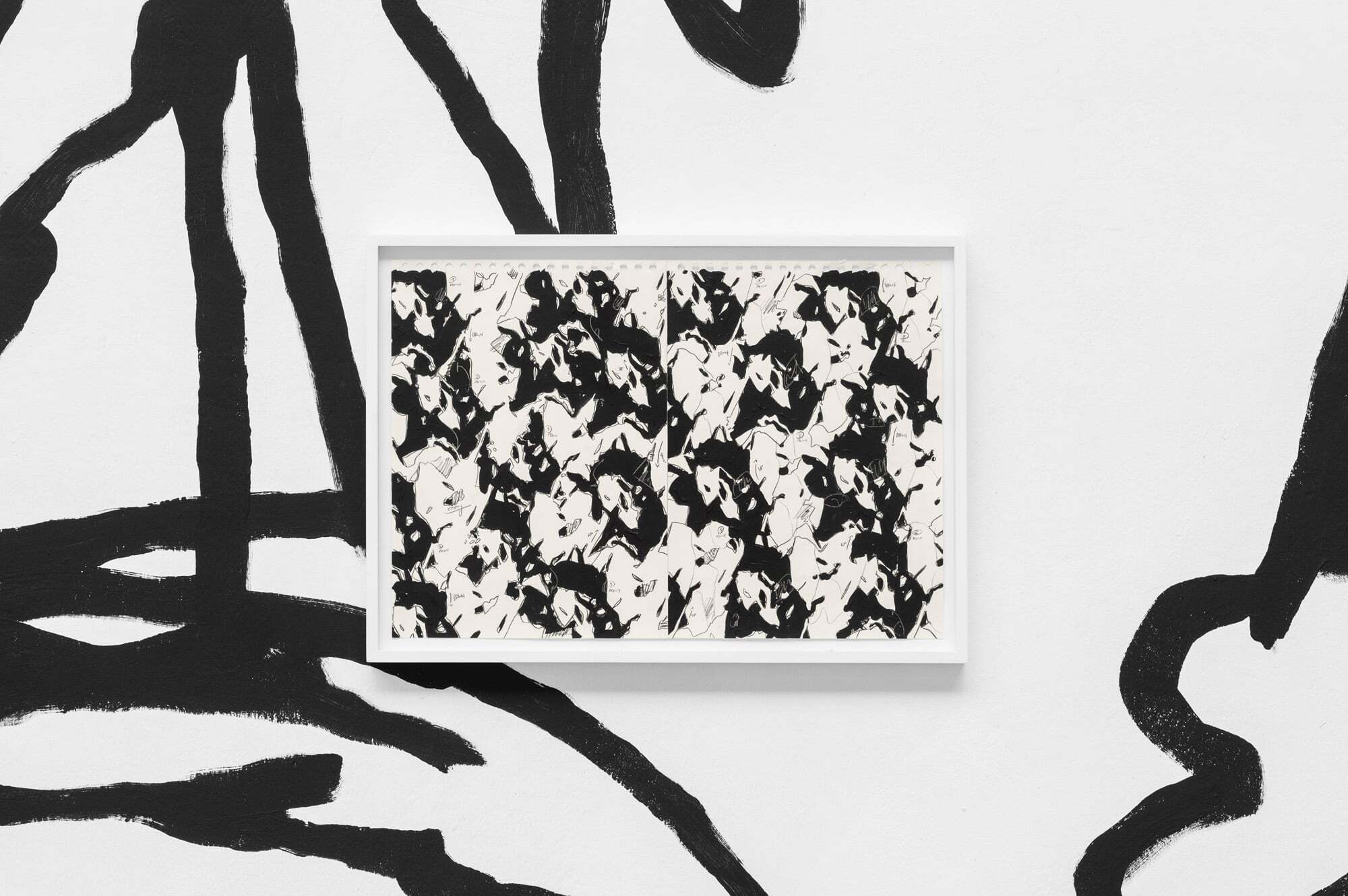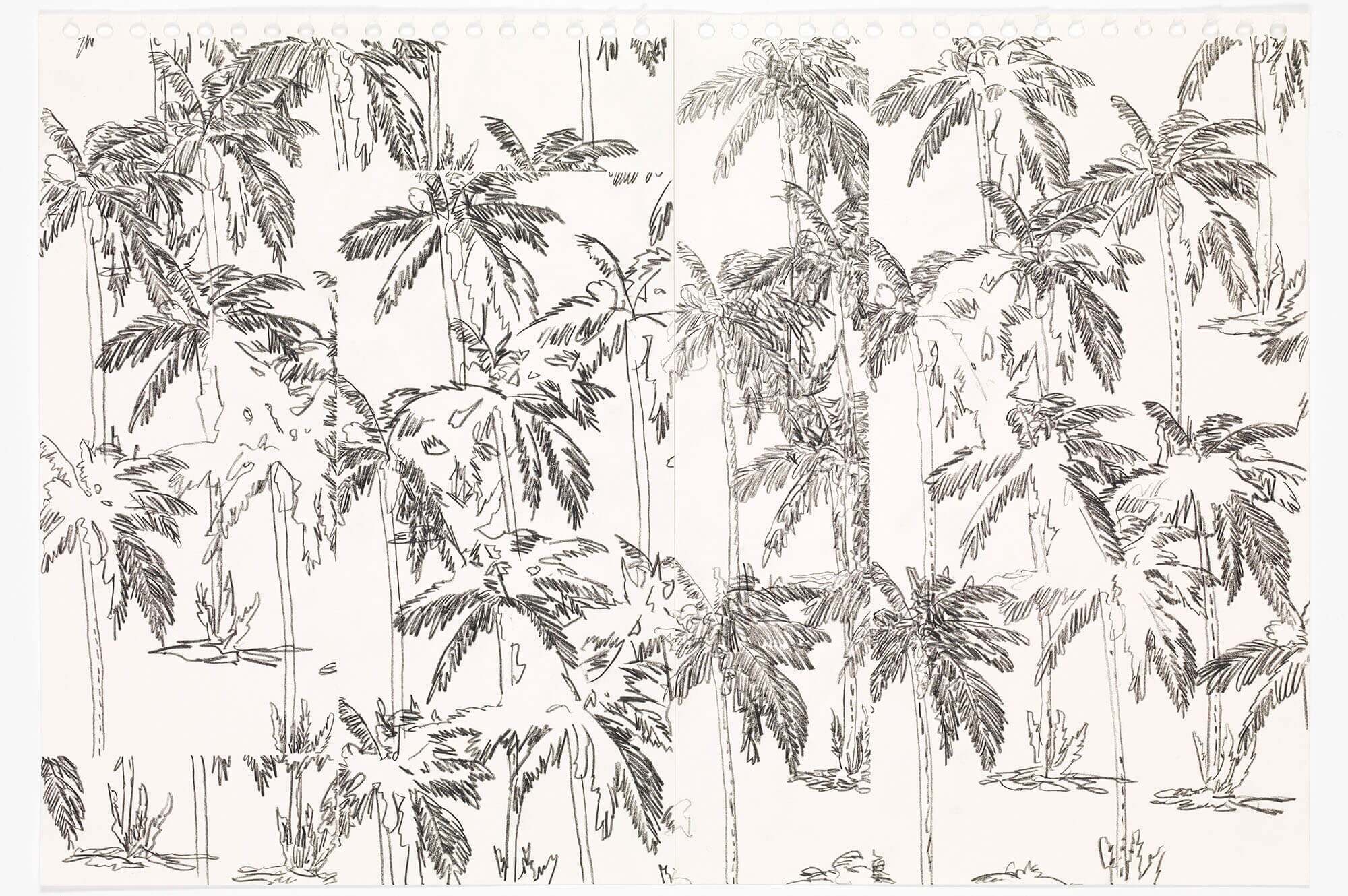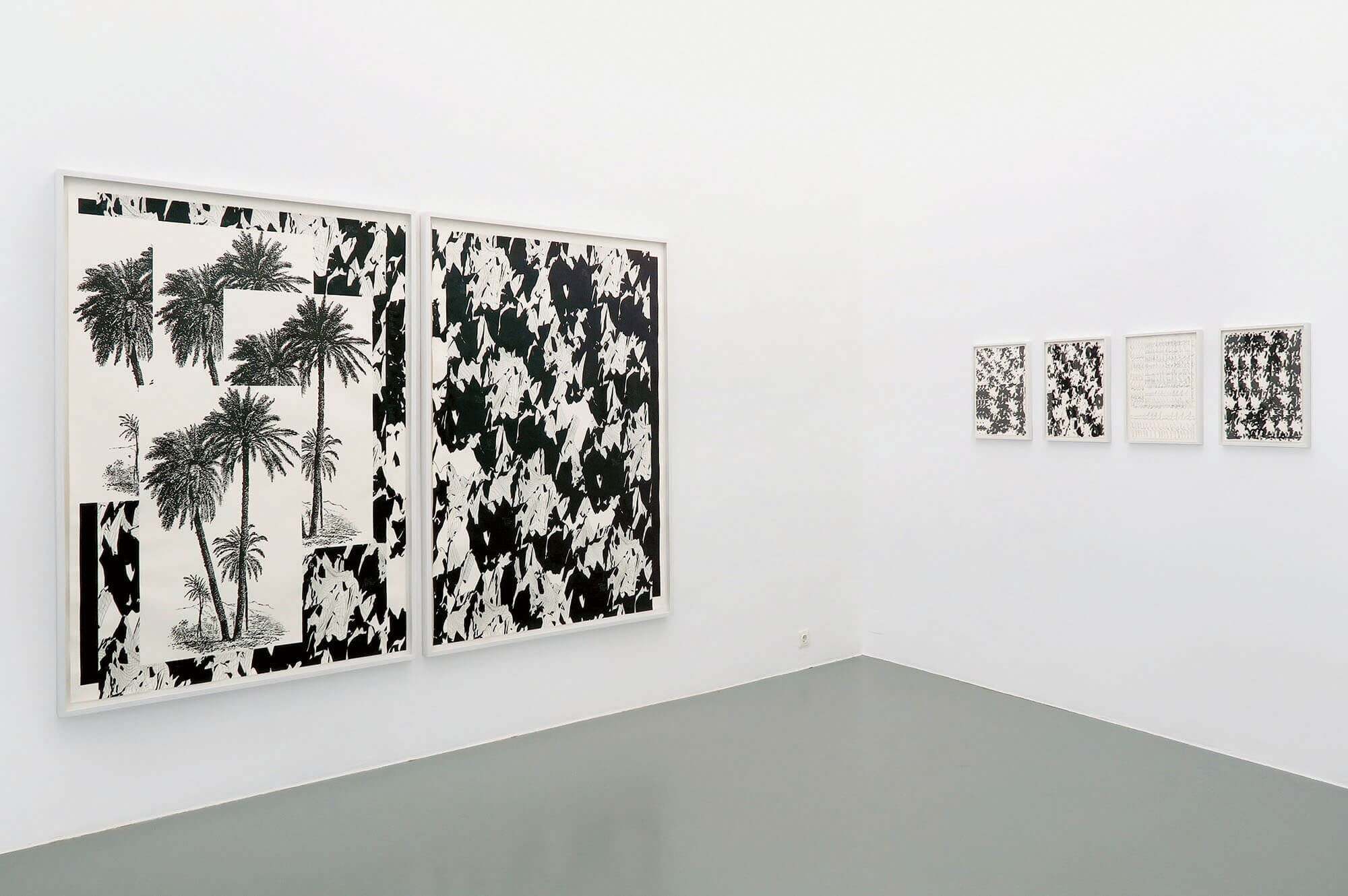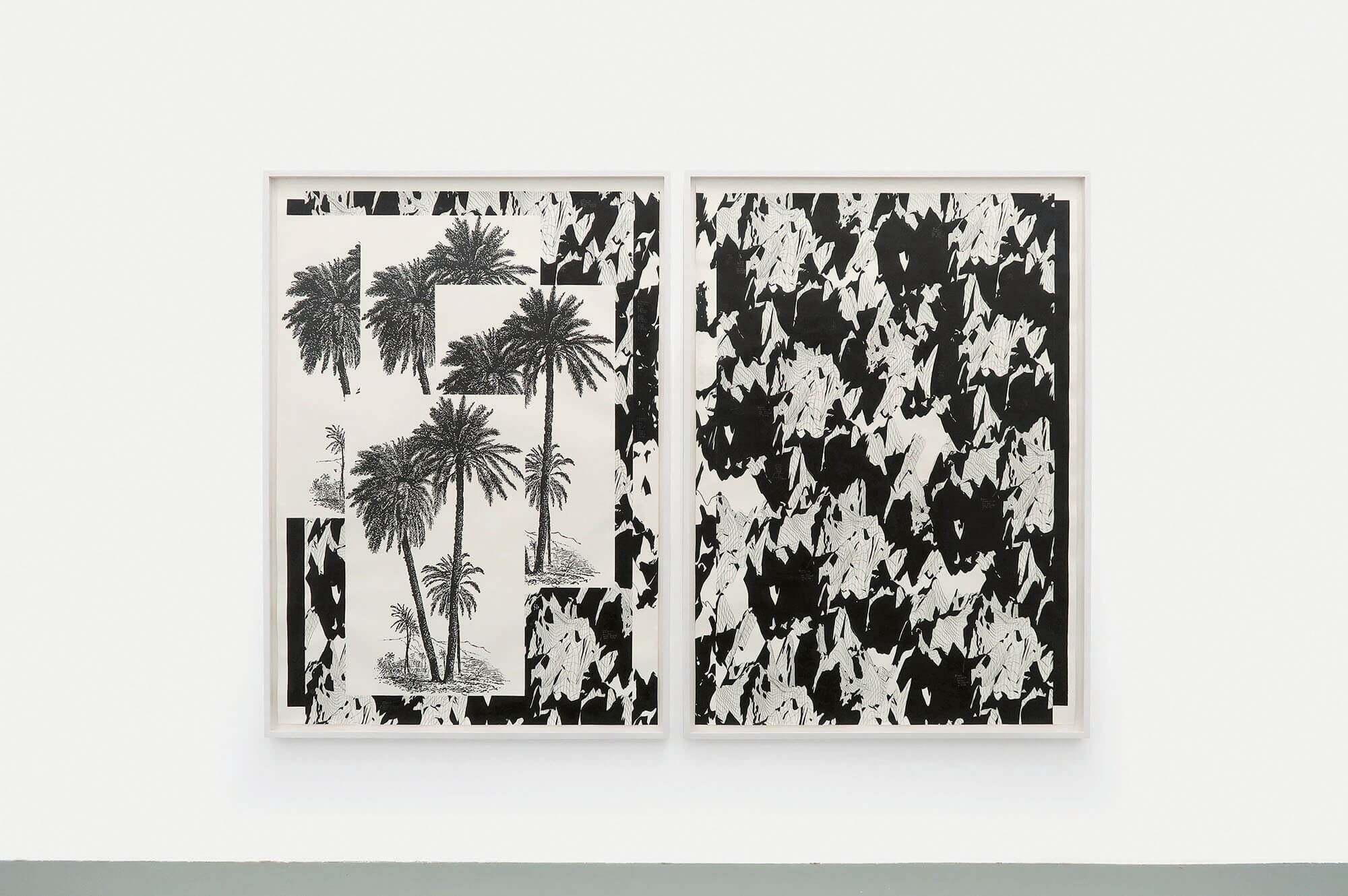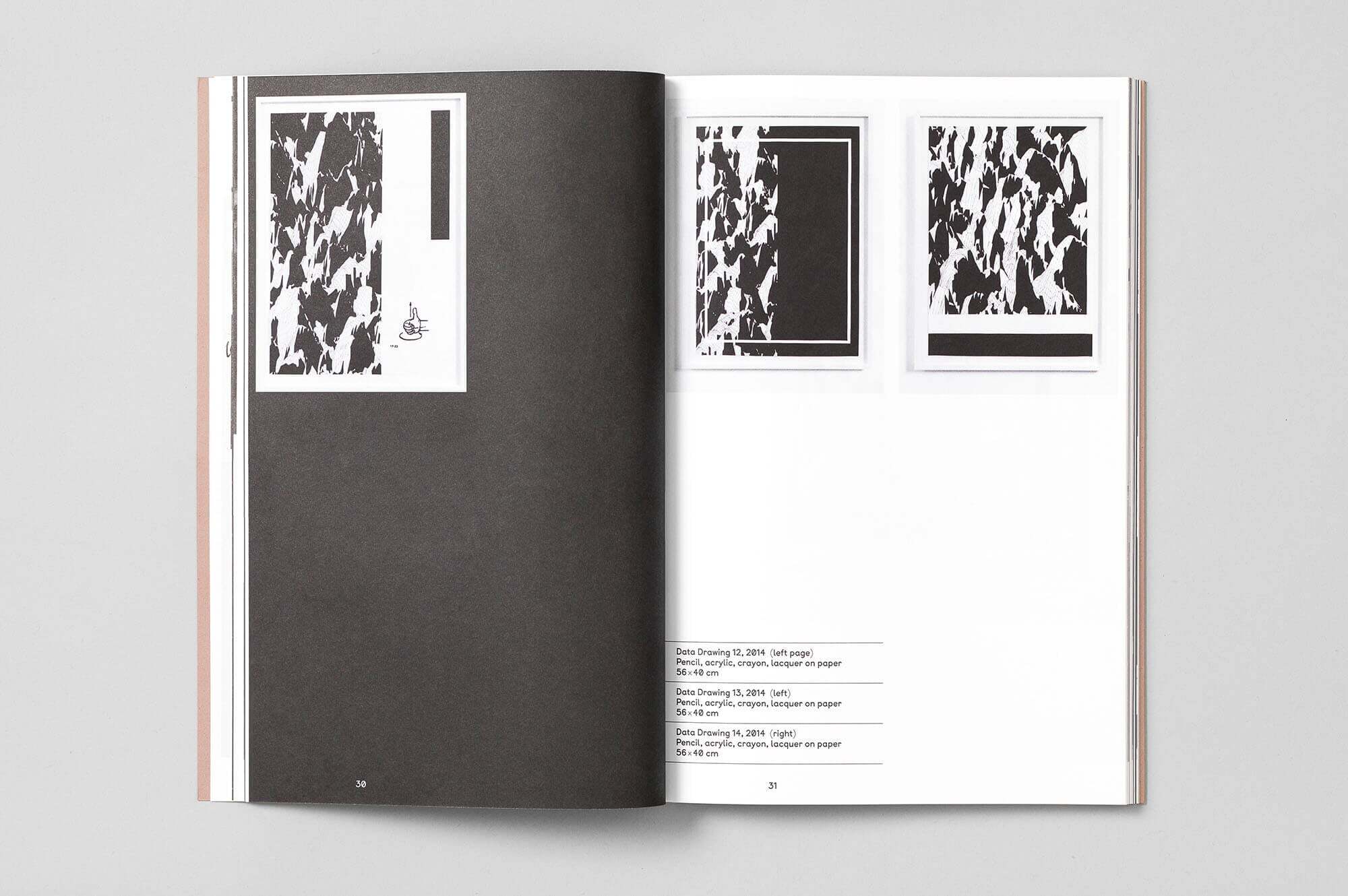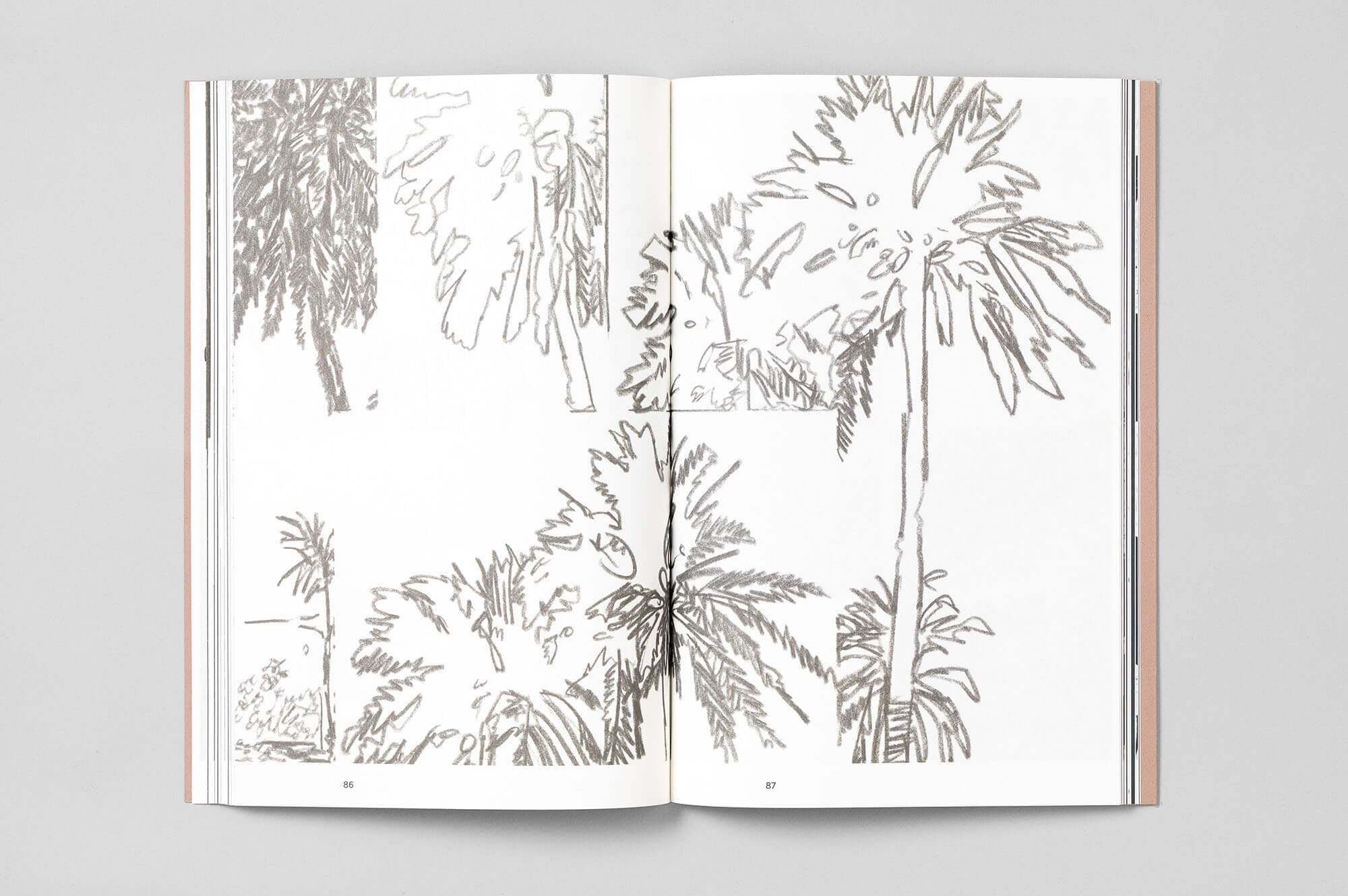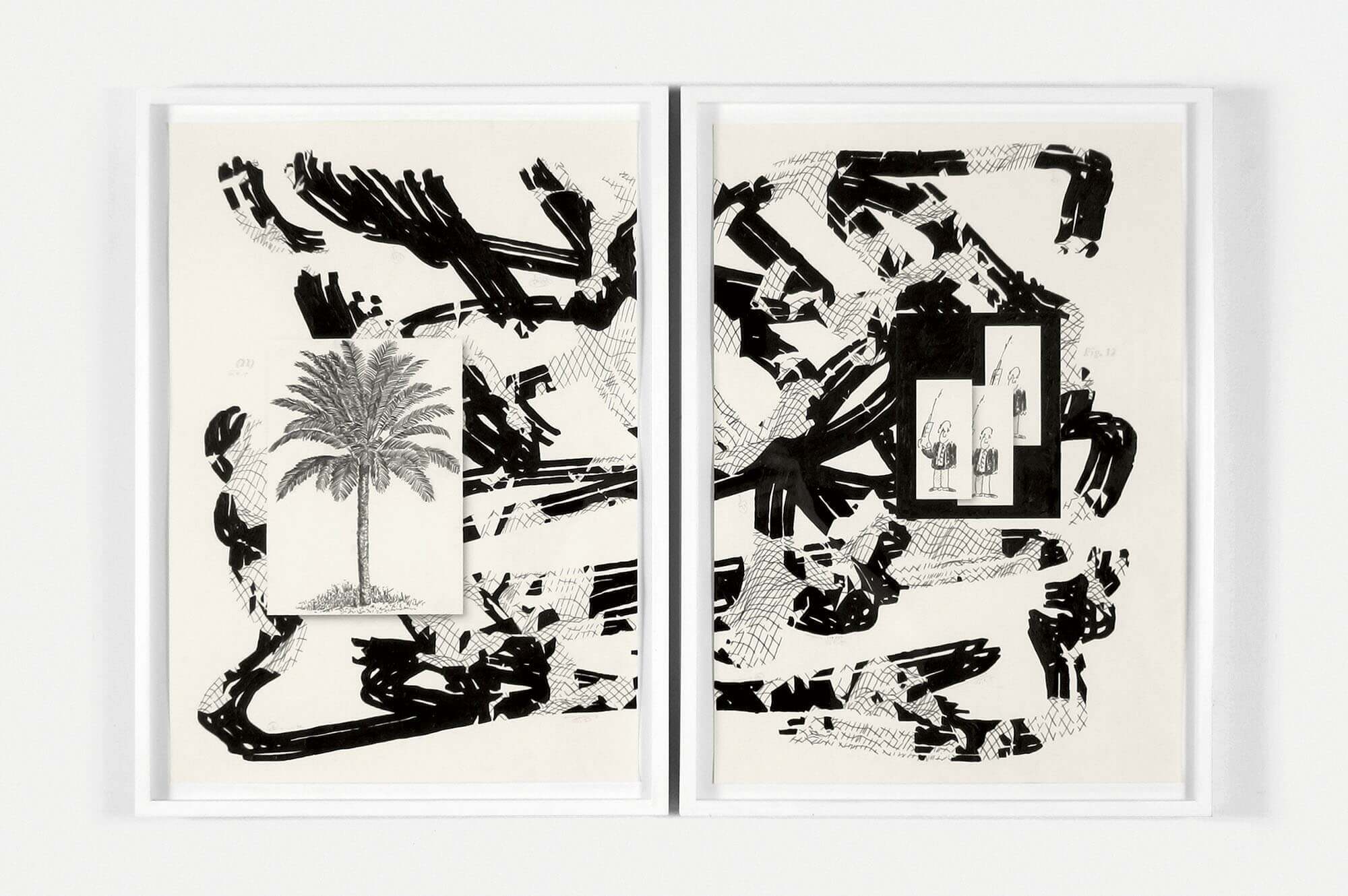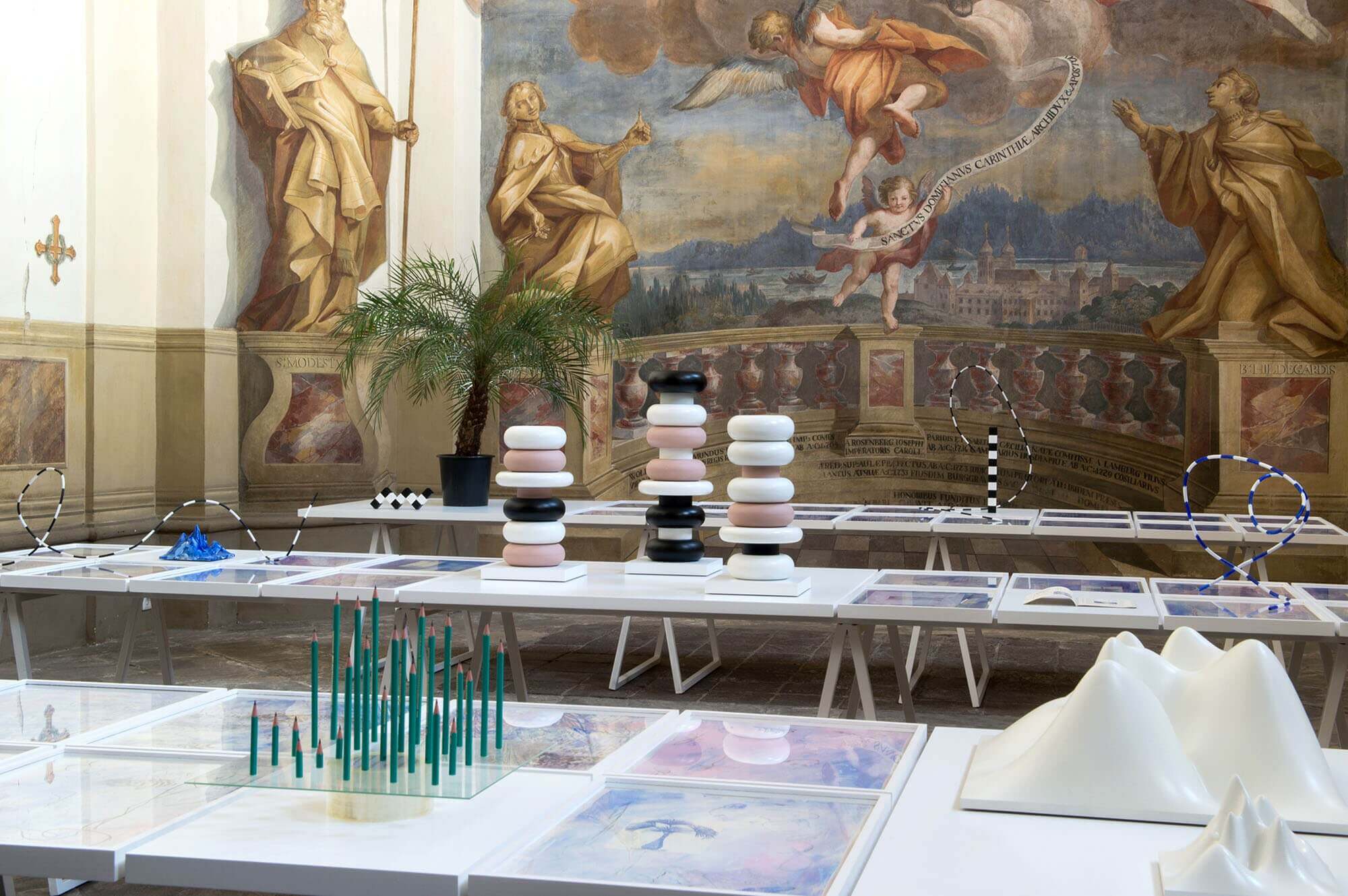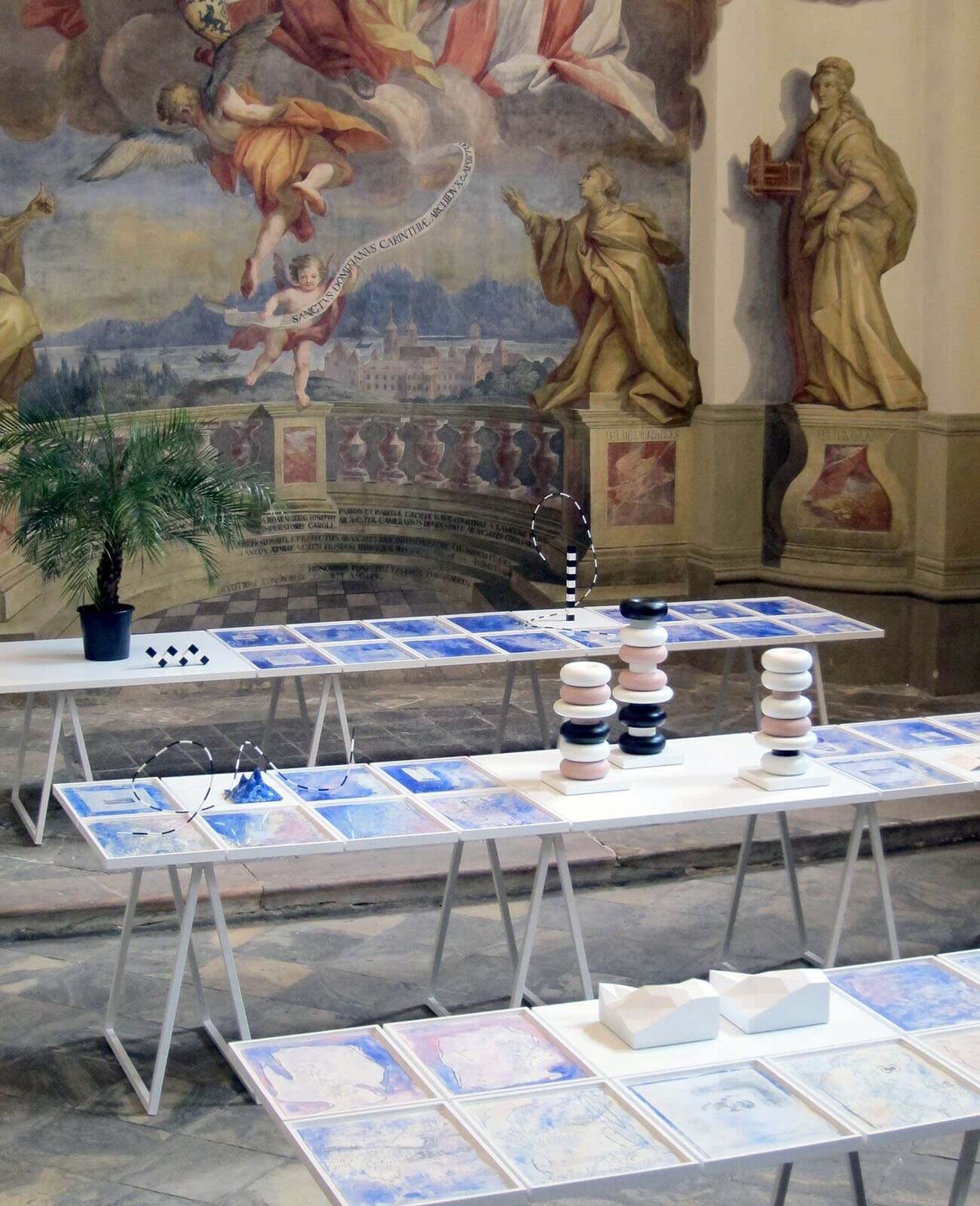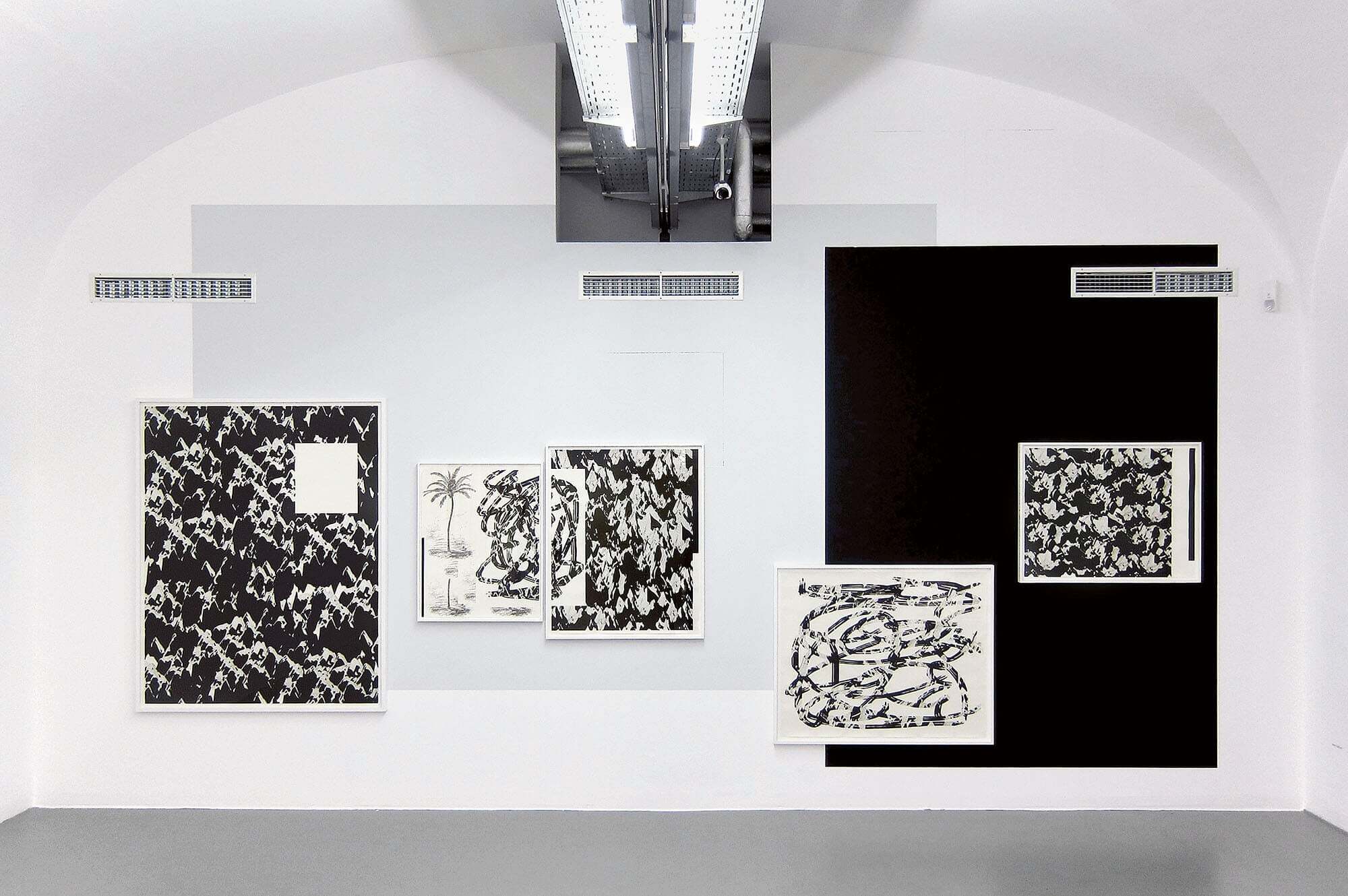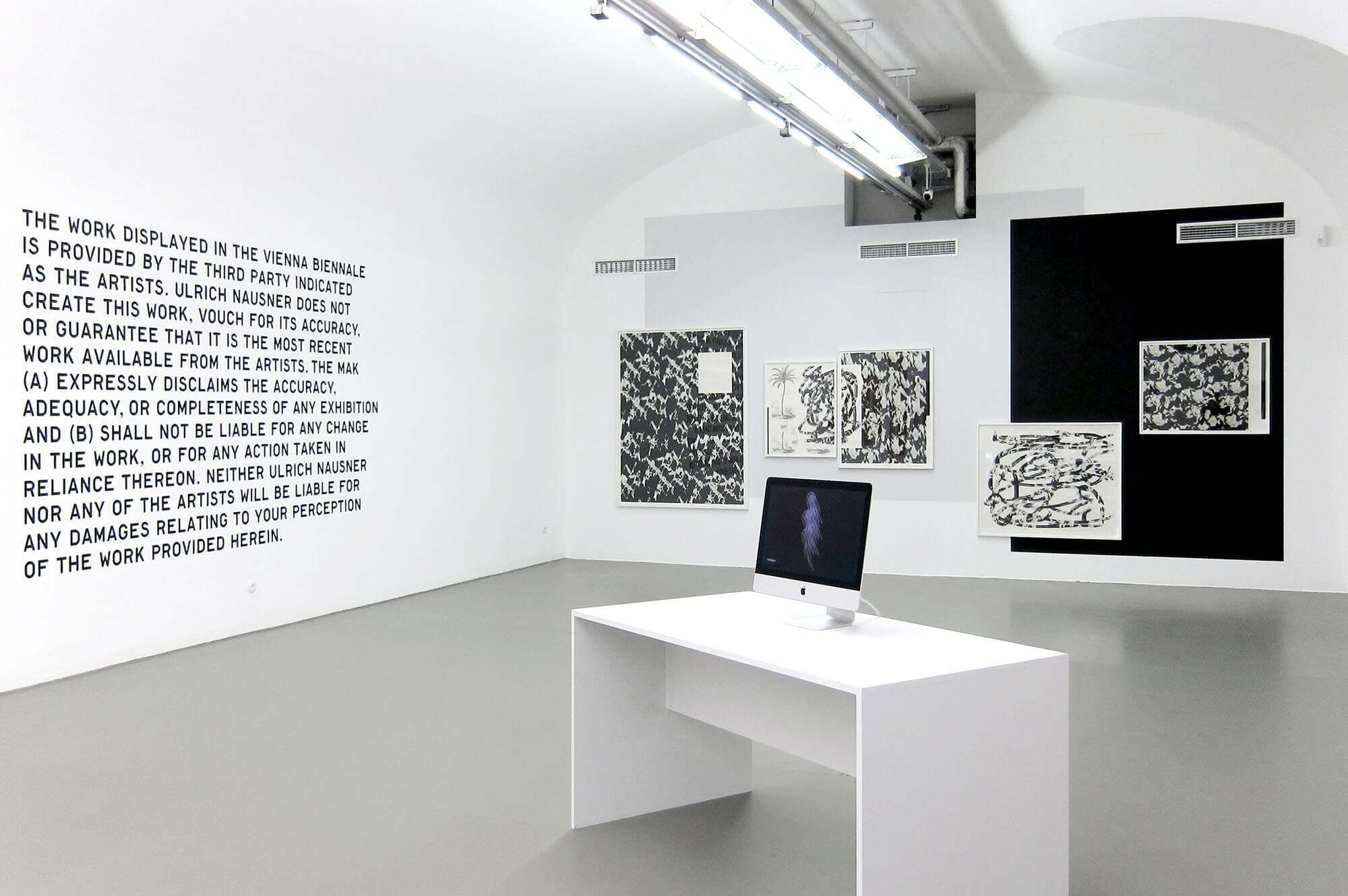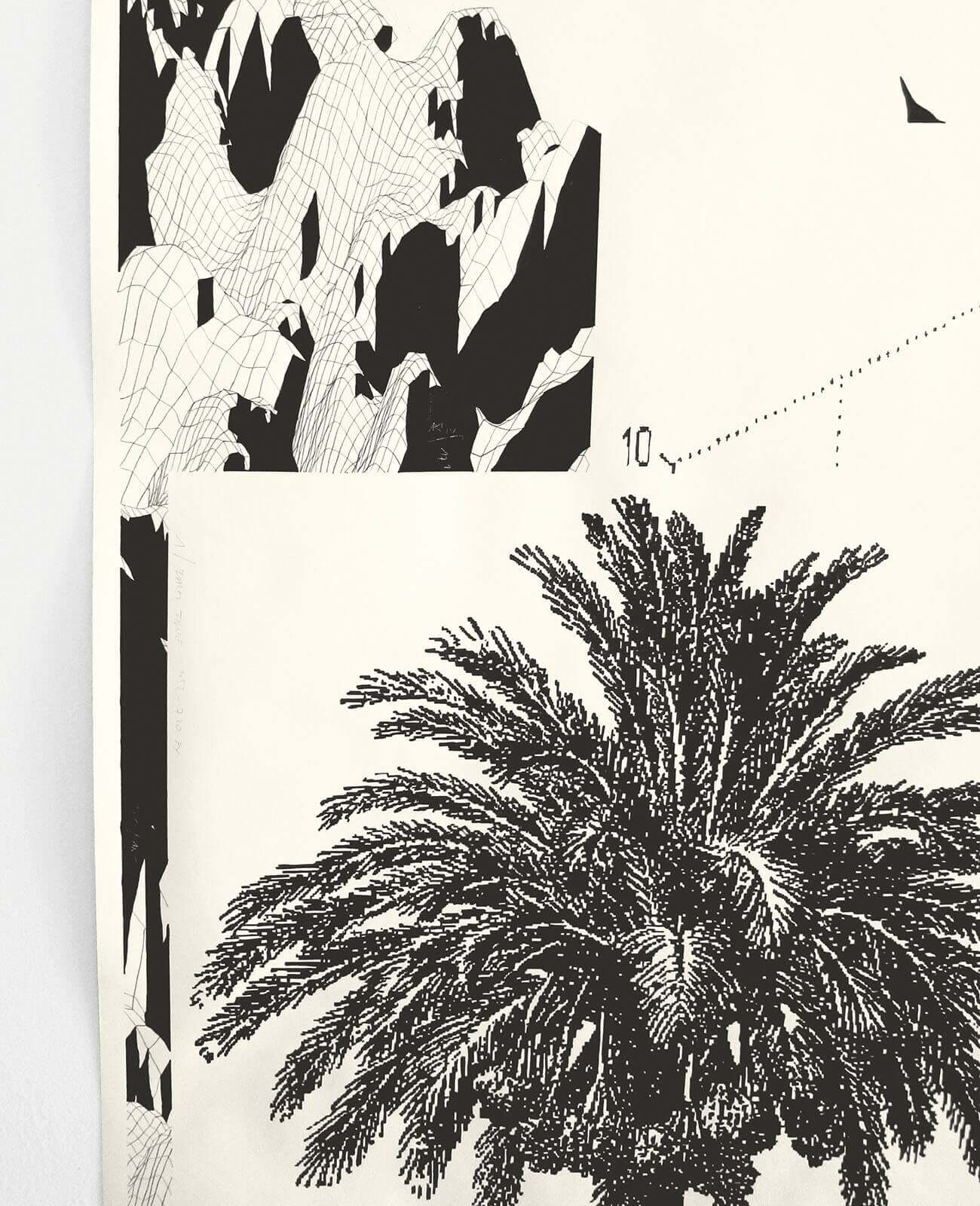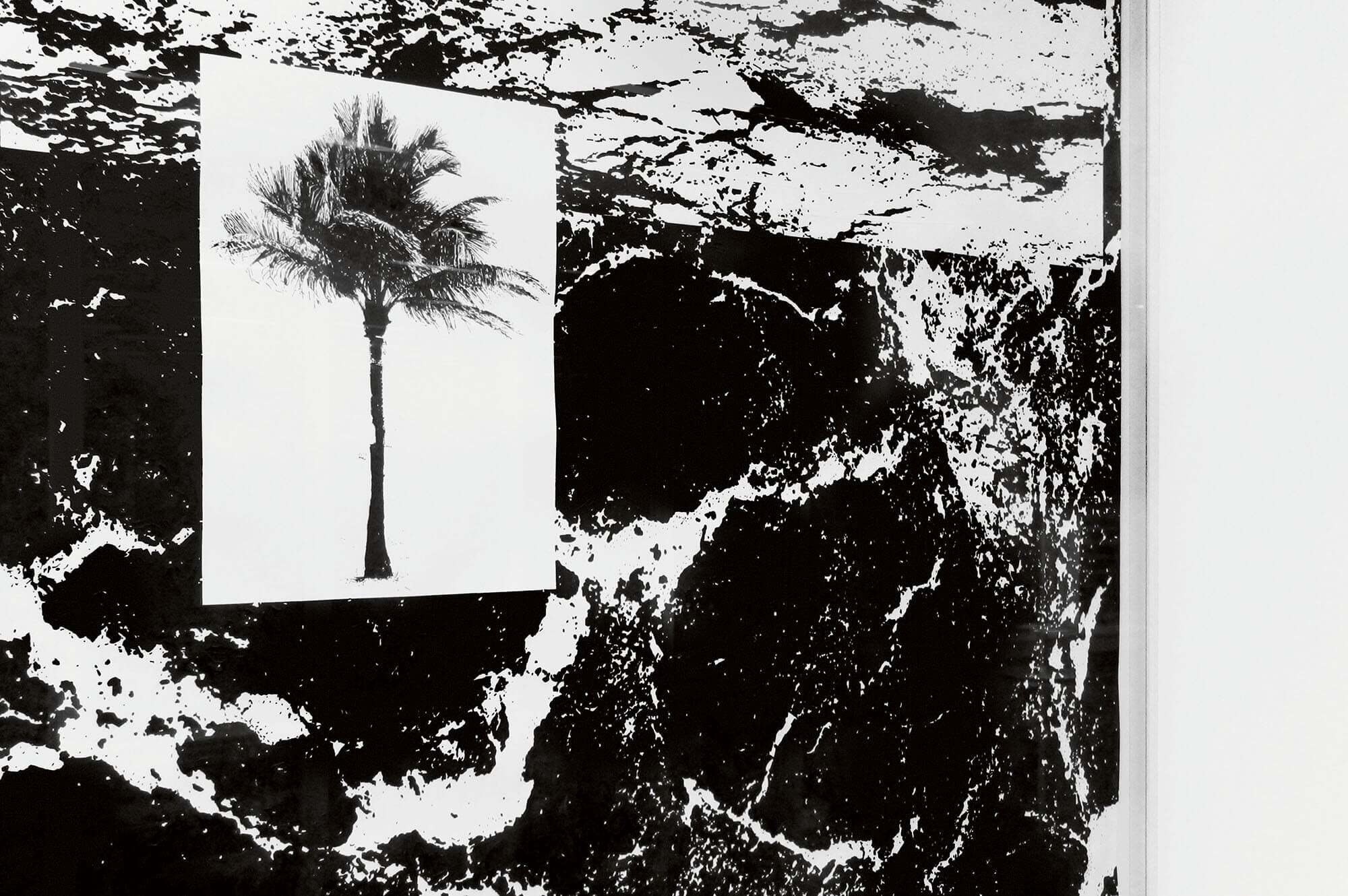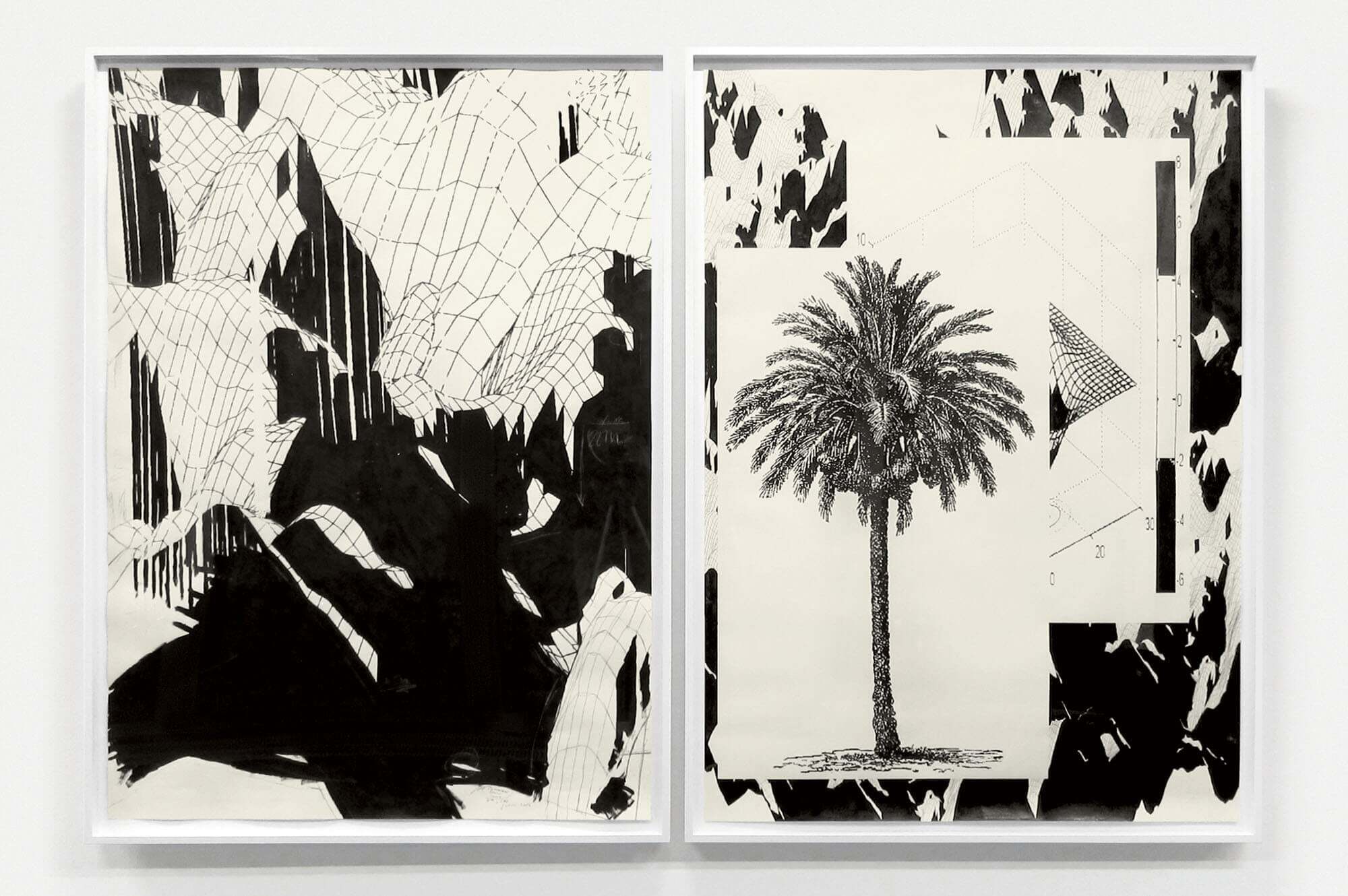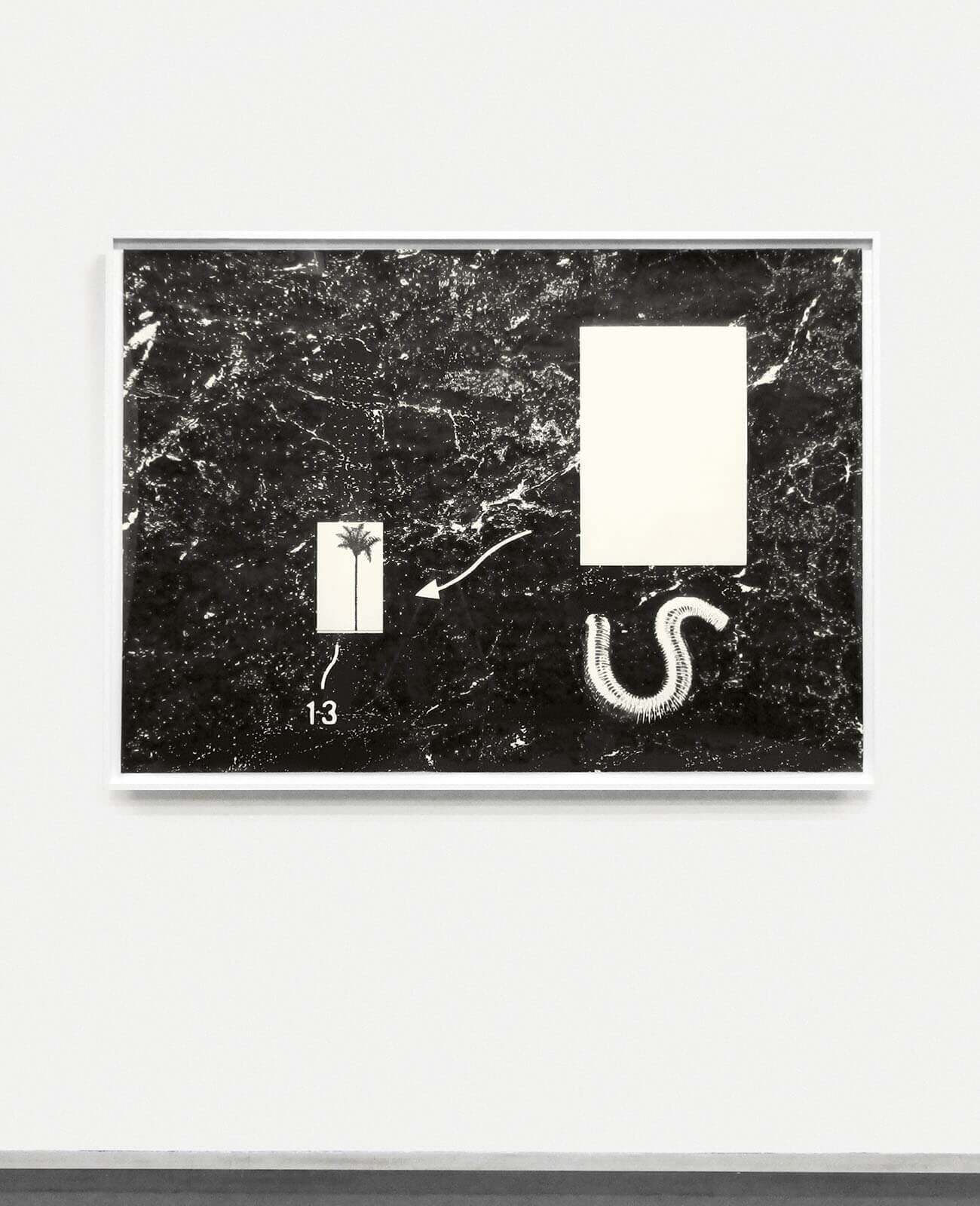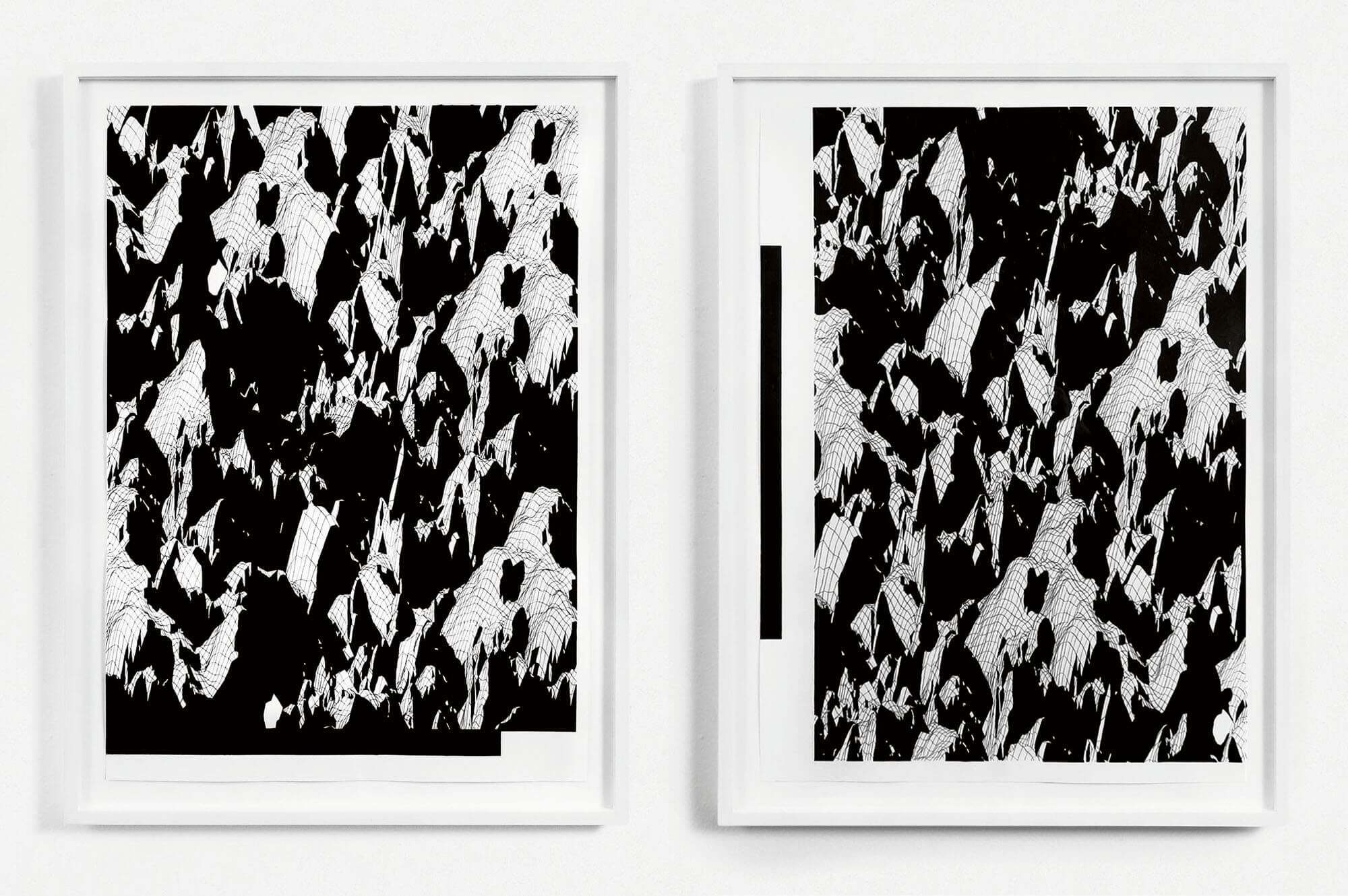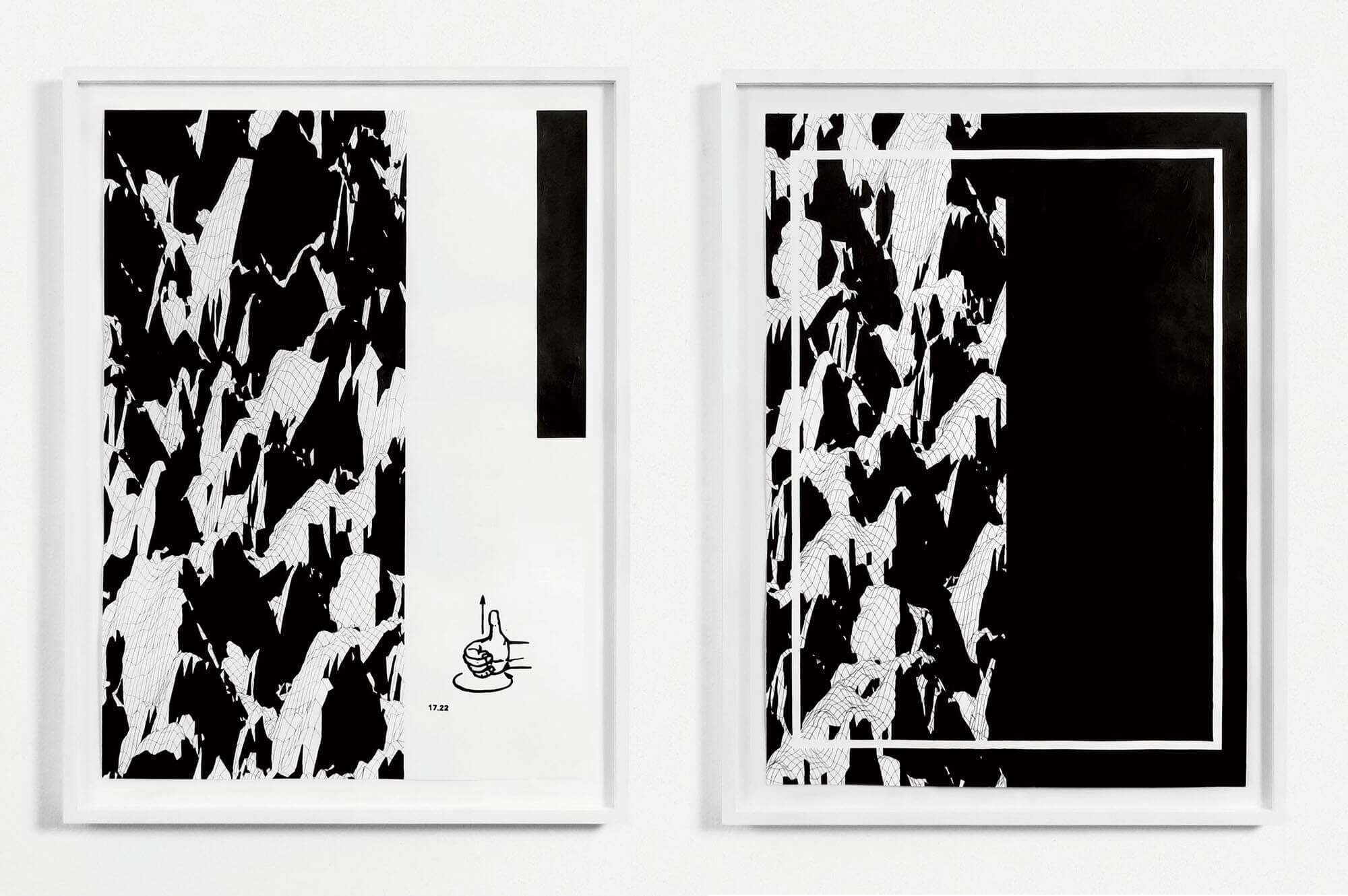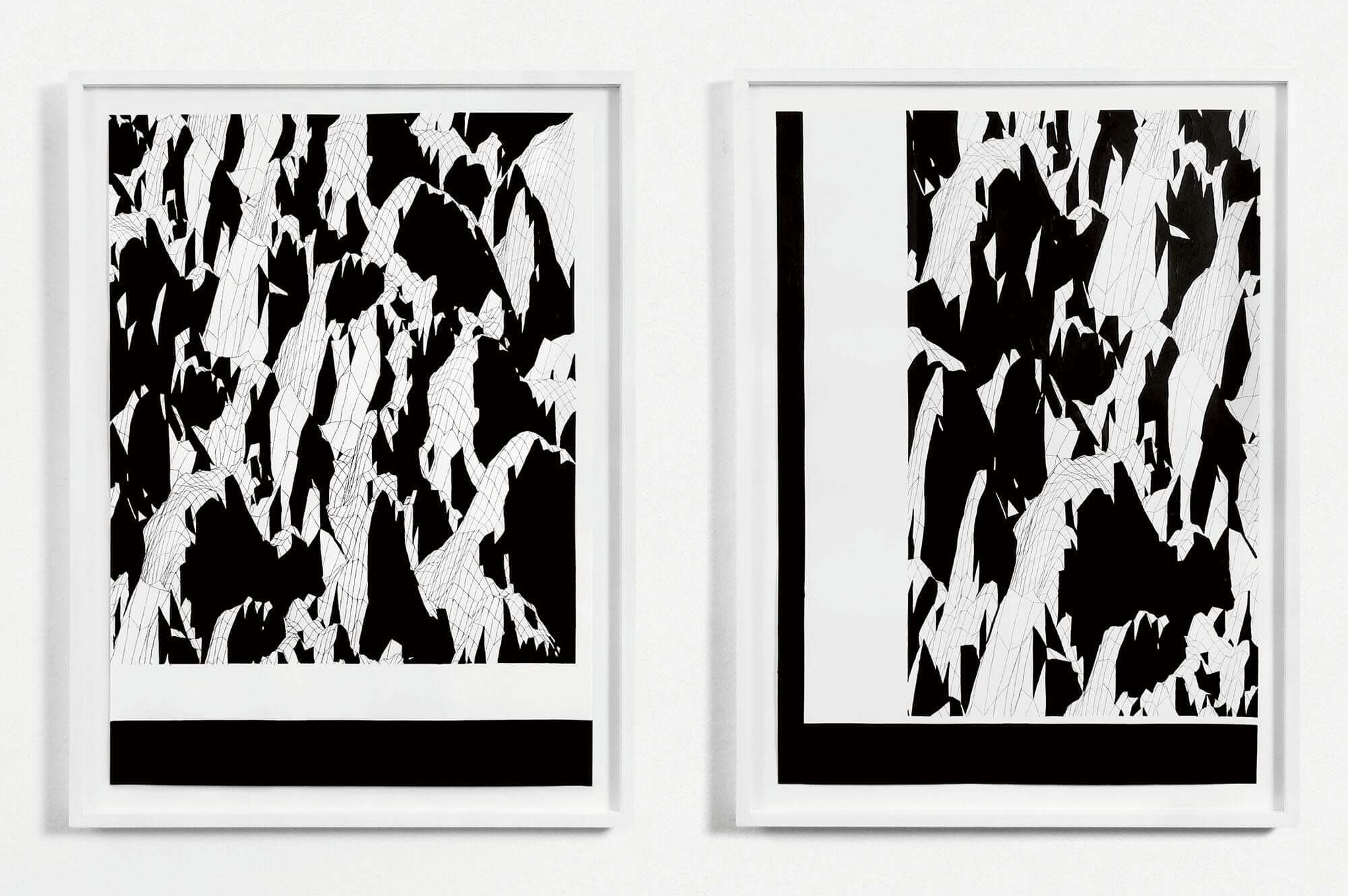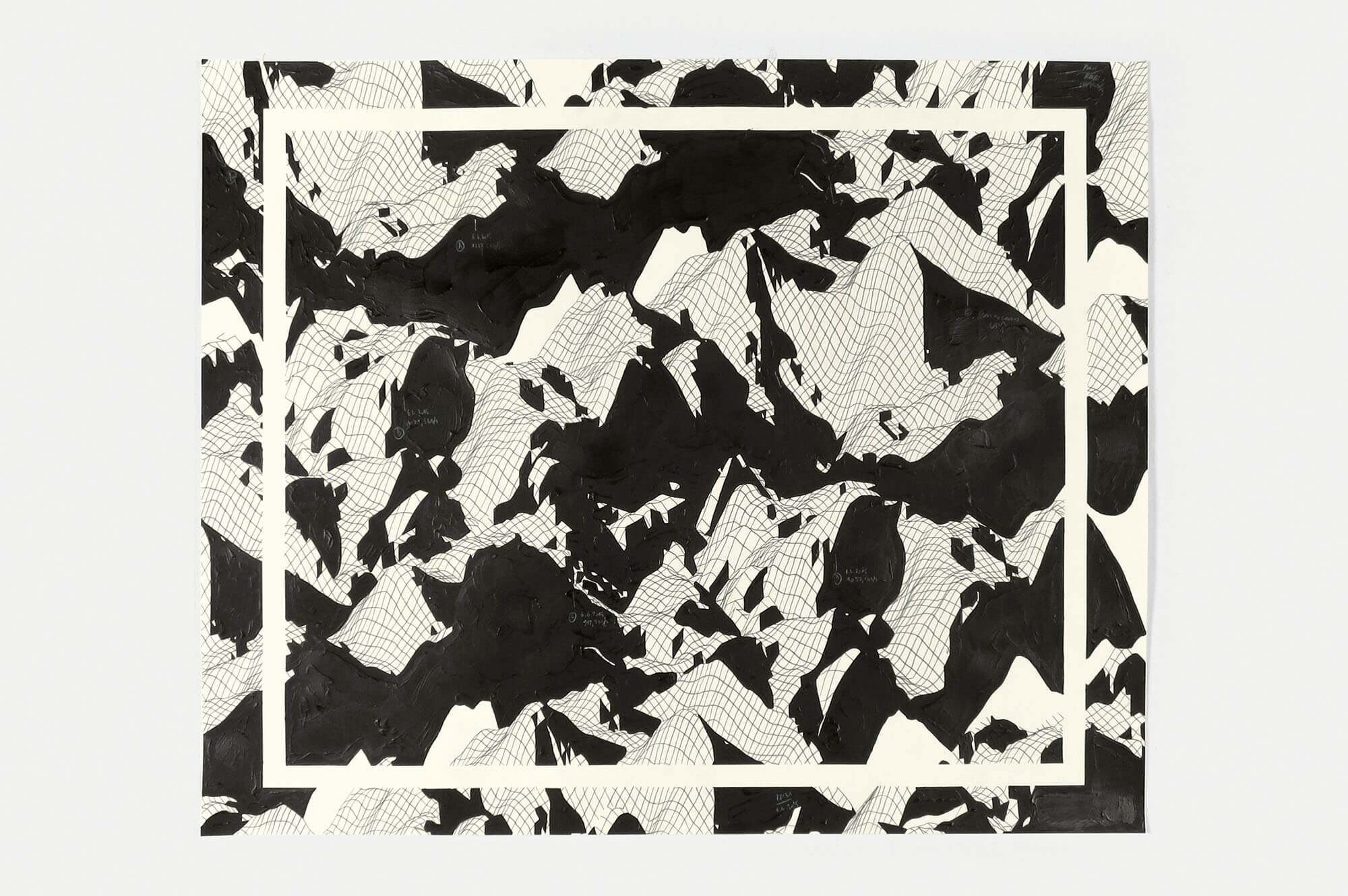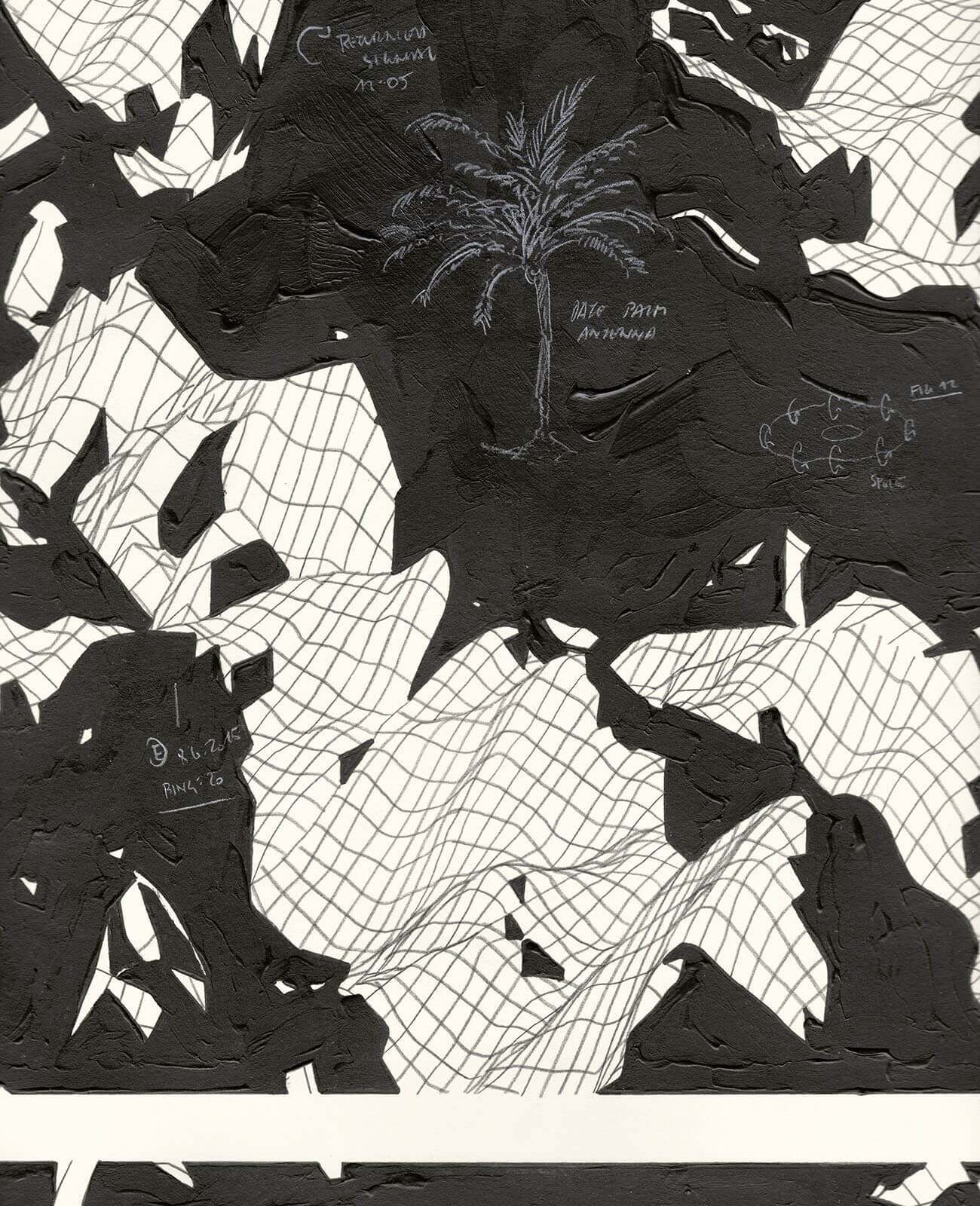
In the middle of a forest clearing stands a vertical object: a twelve-meter-high palm tree with black and white stripes—neither naturally grown nor integrated into the landscape, but placed there like an exclamation mark.
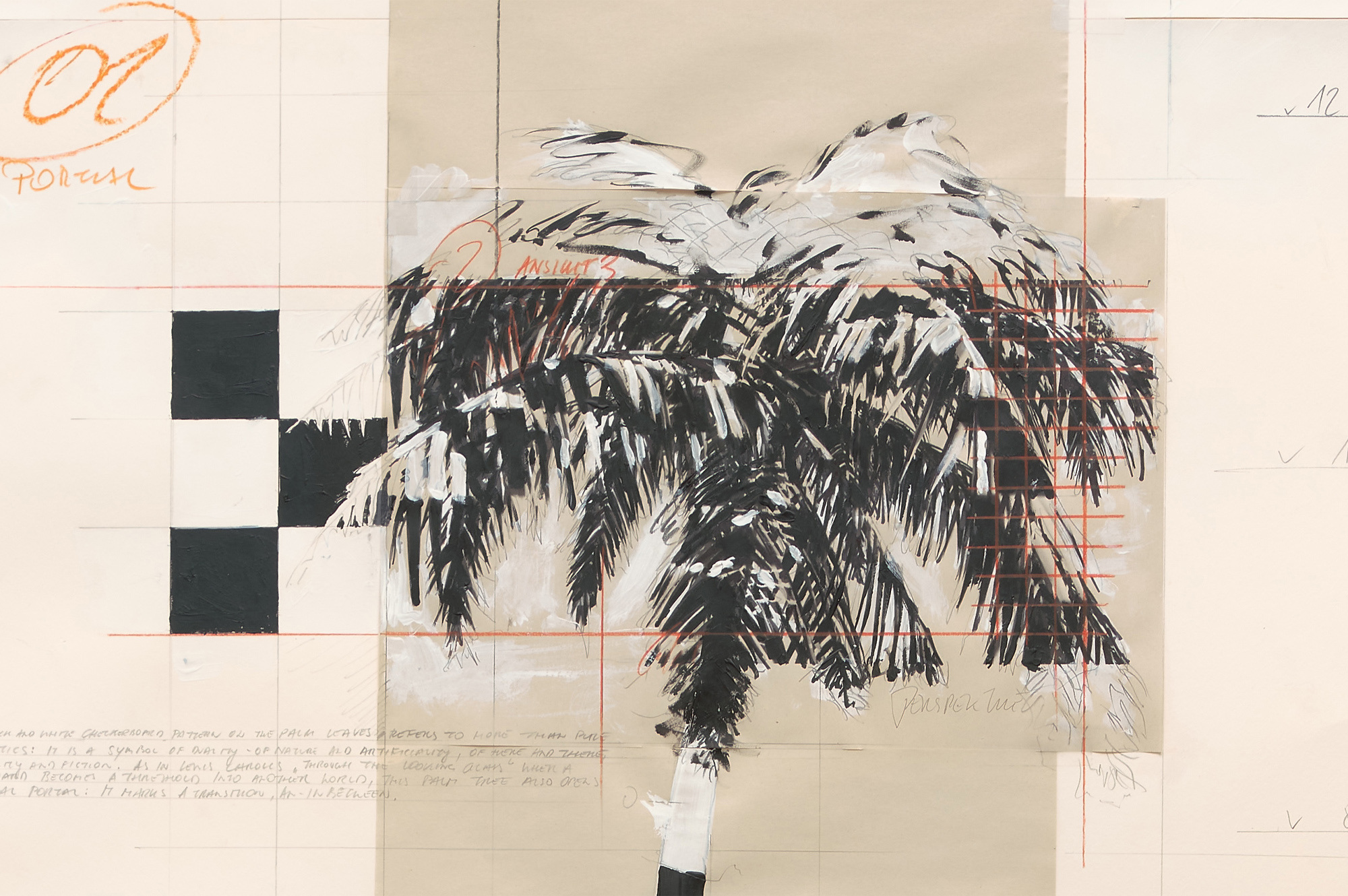
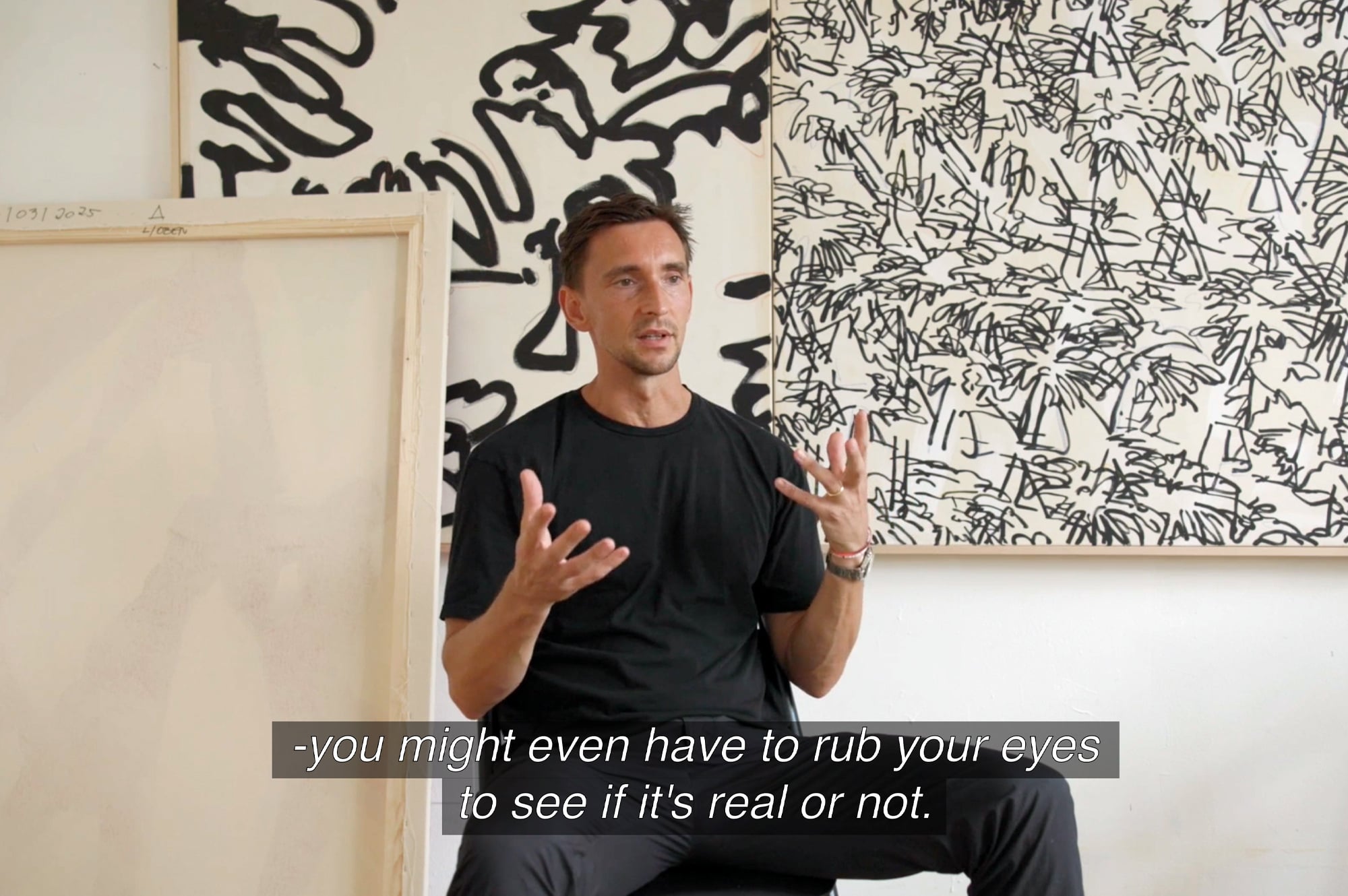
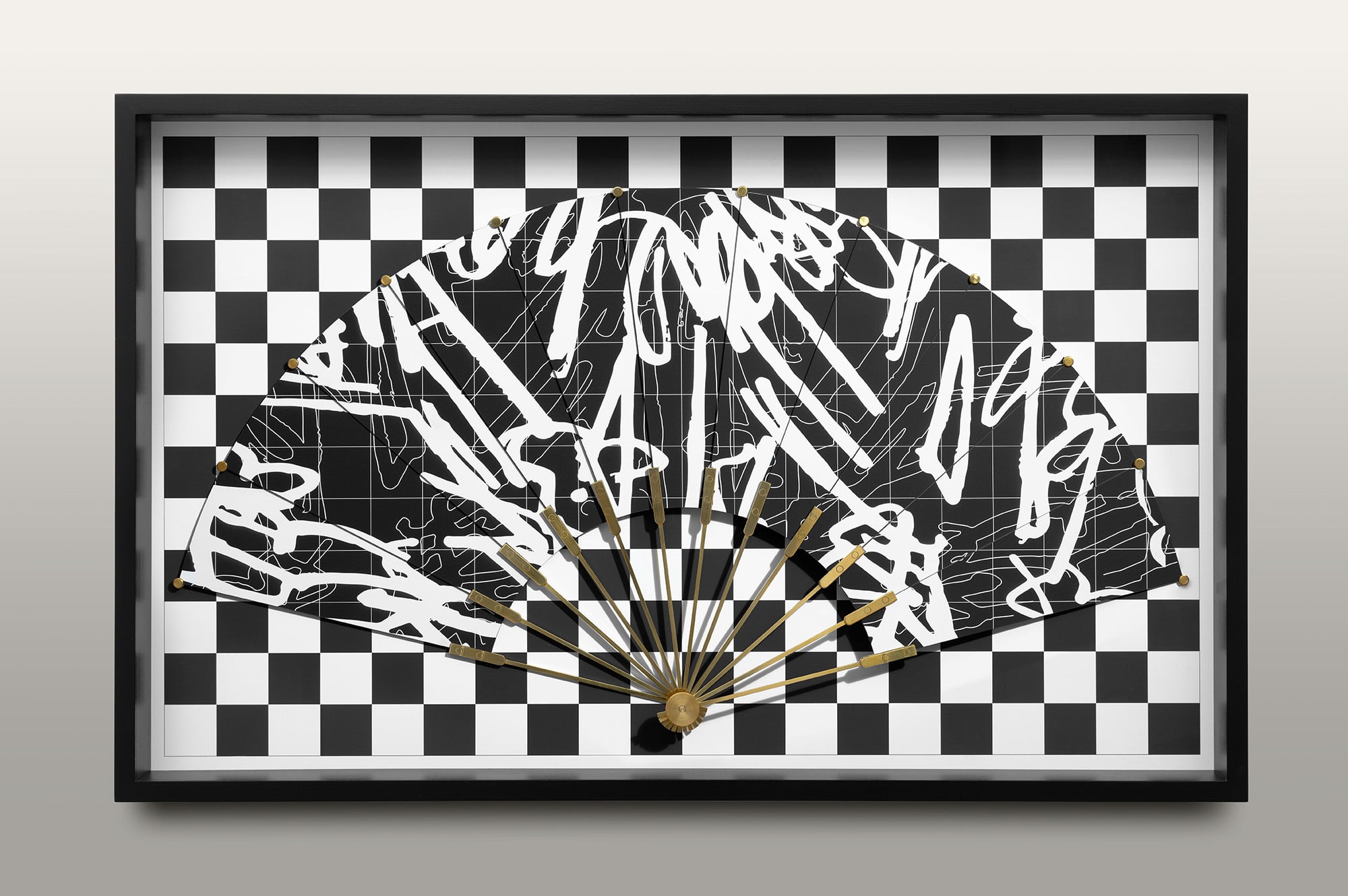
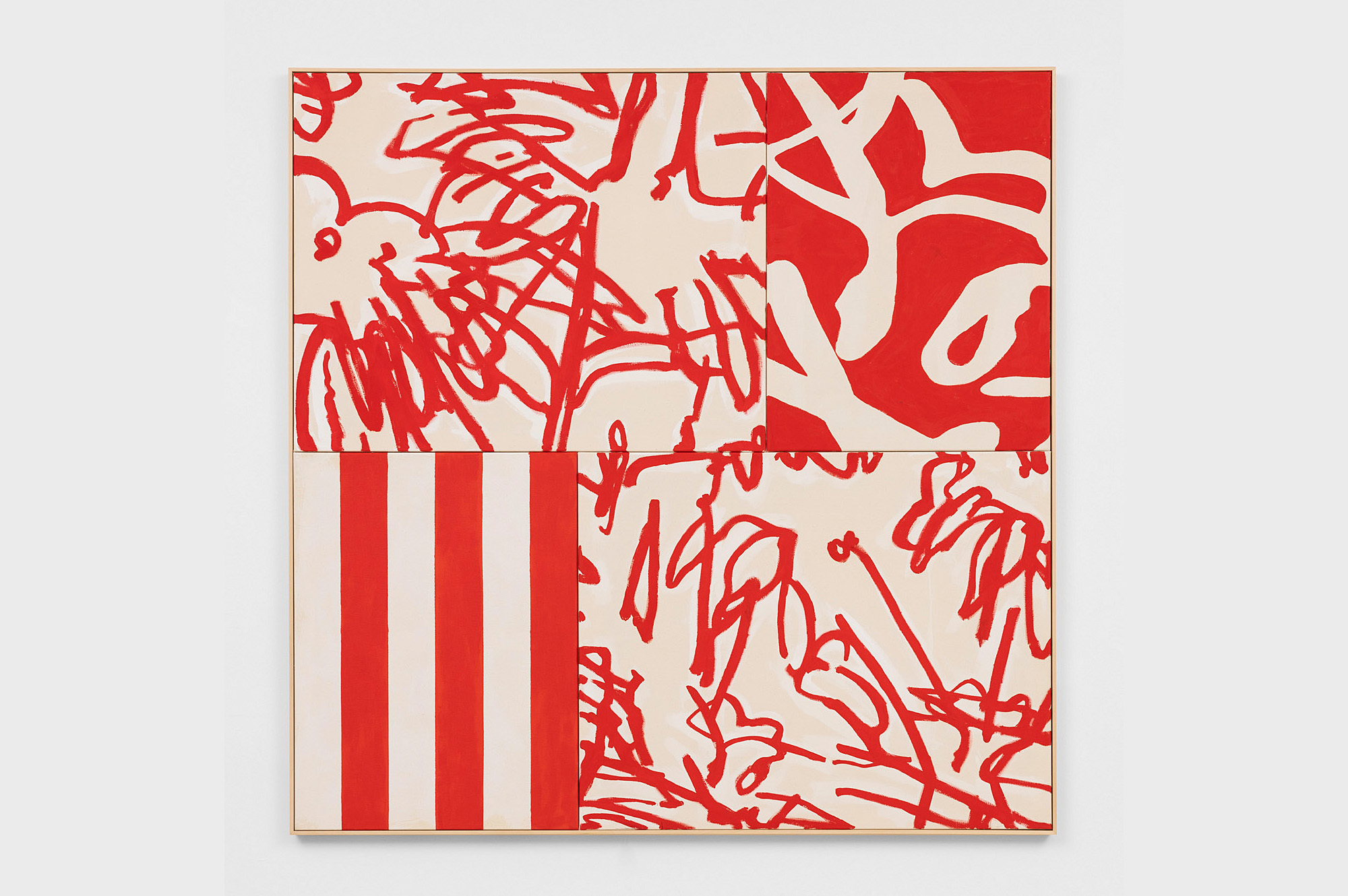
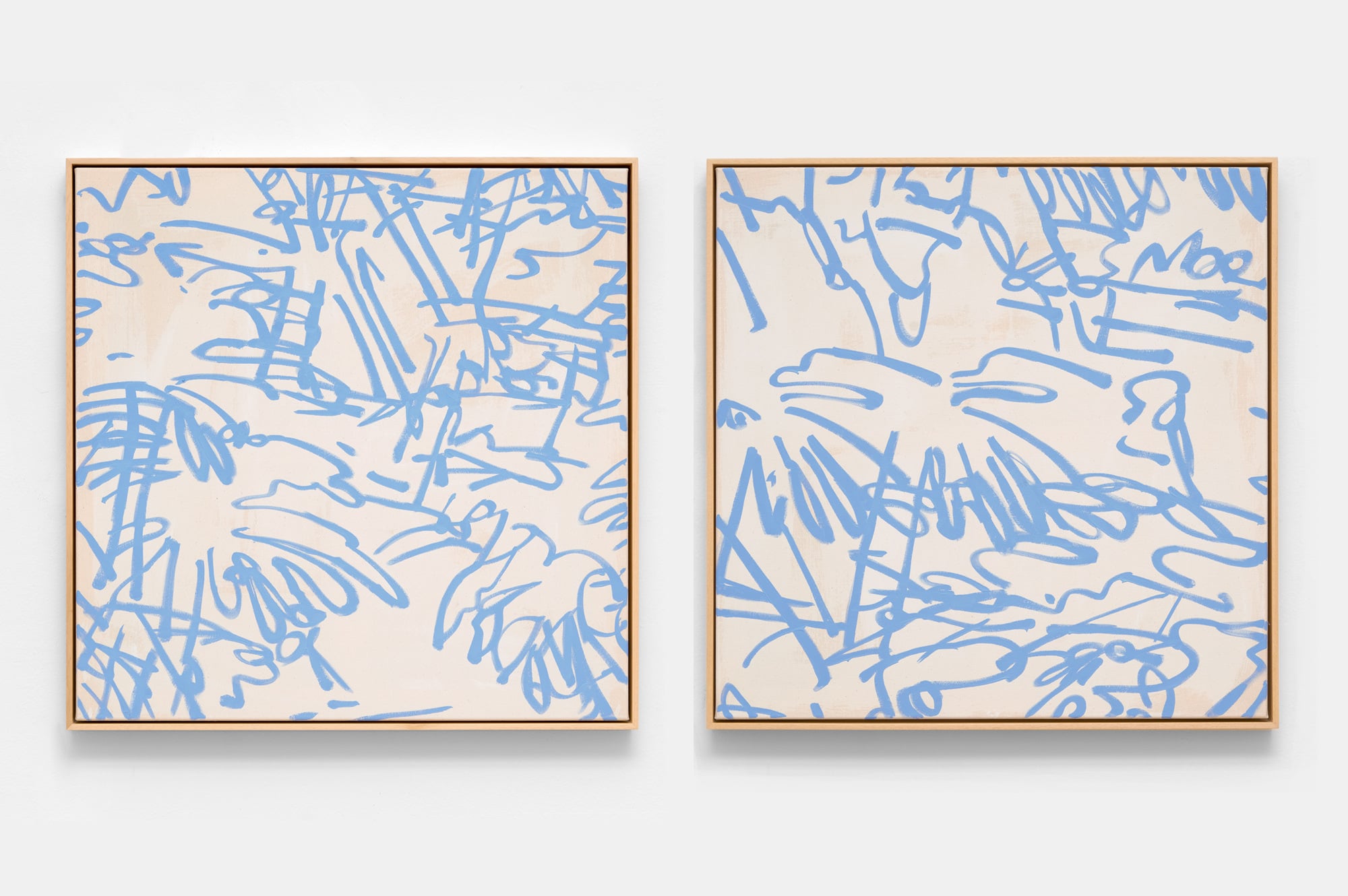
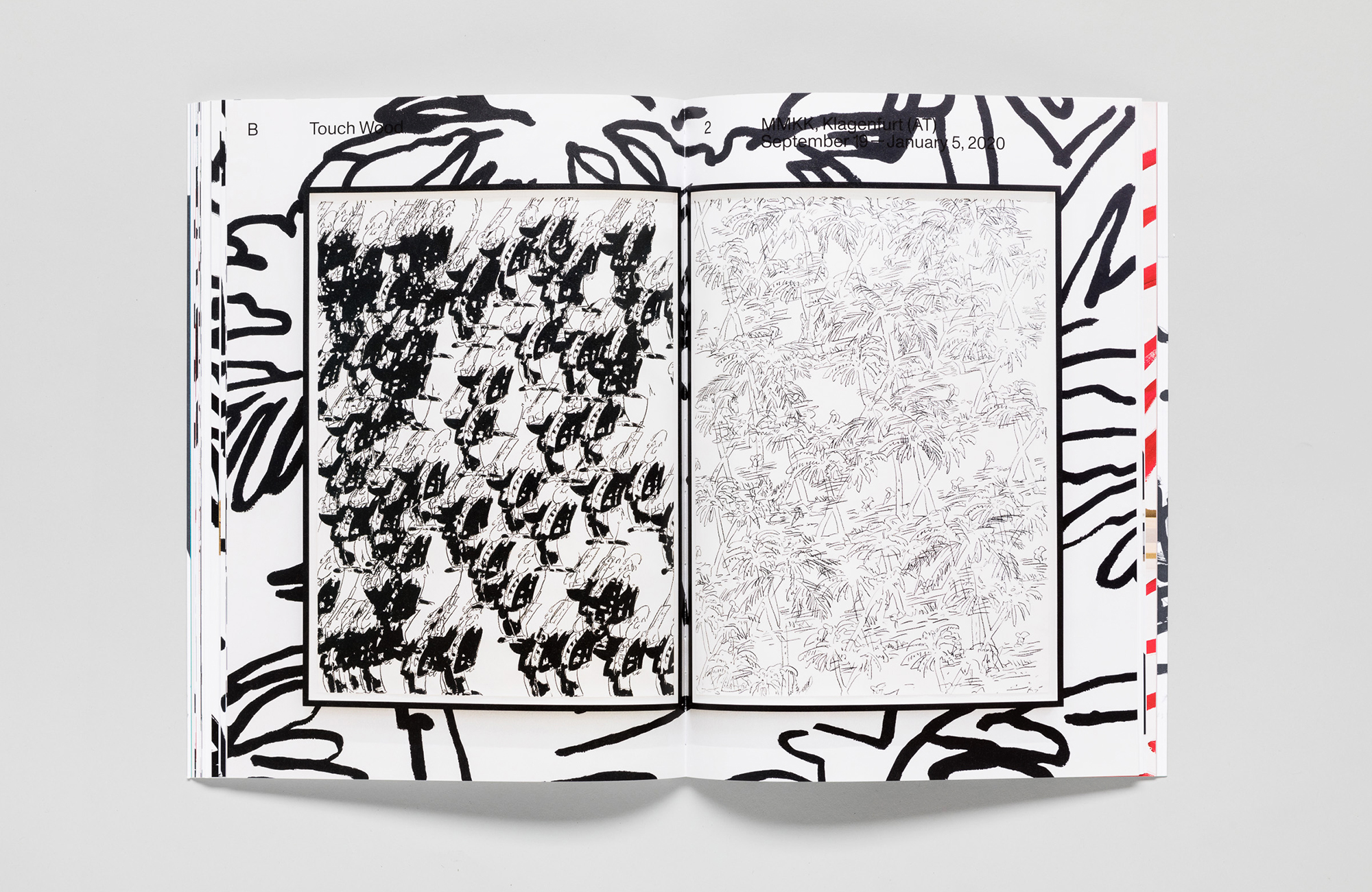
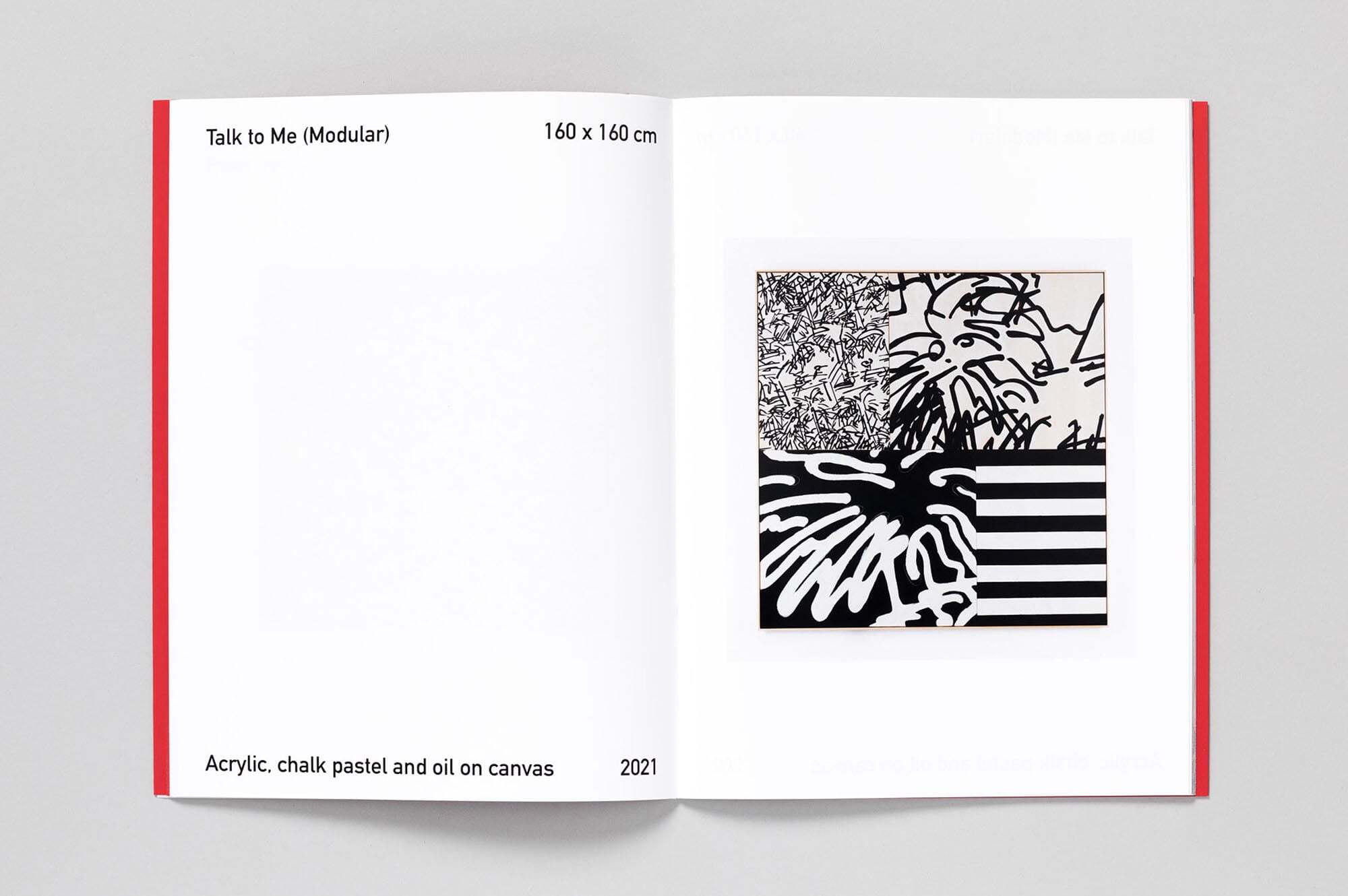
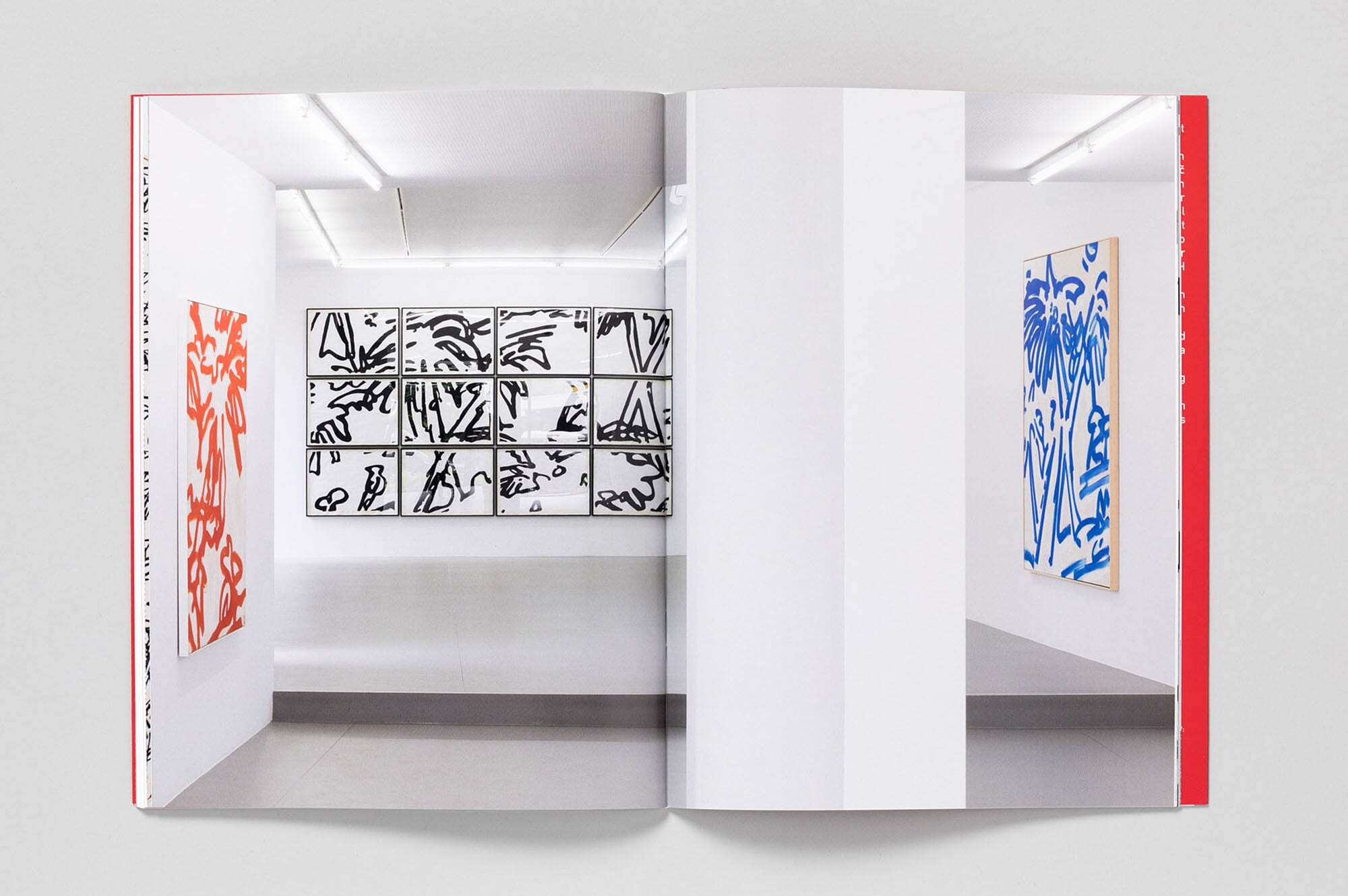
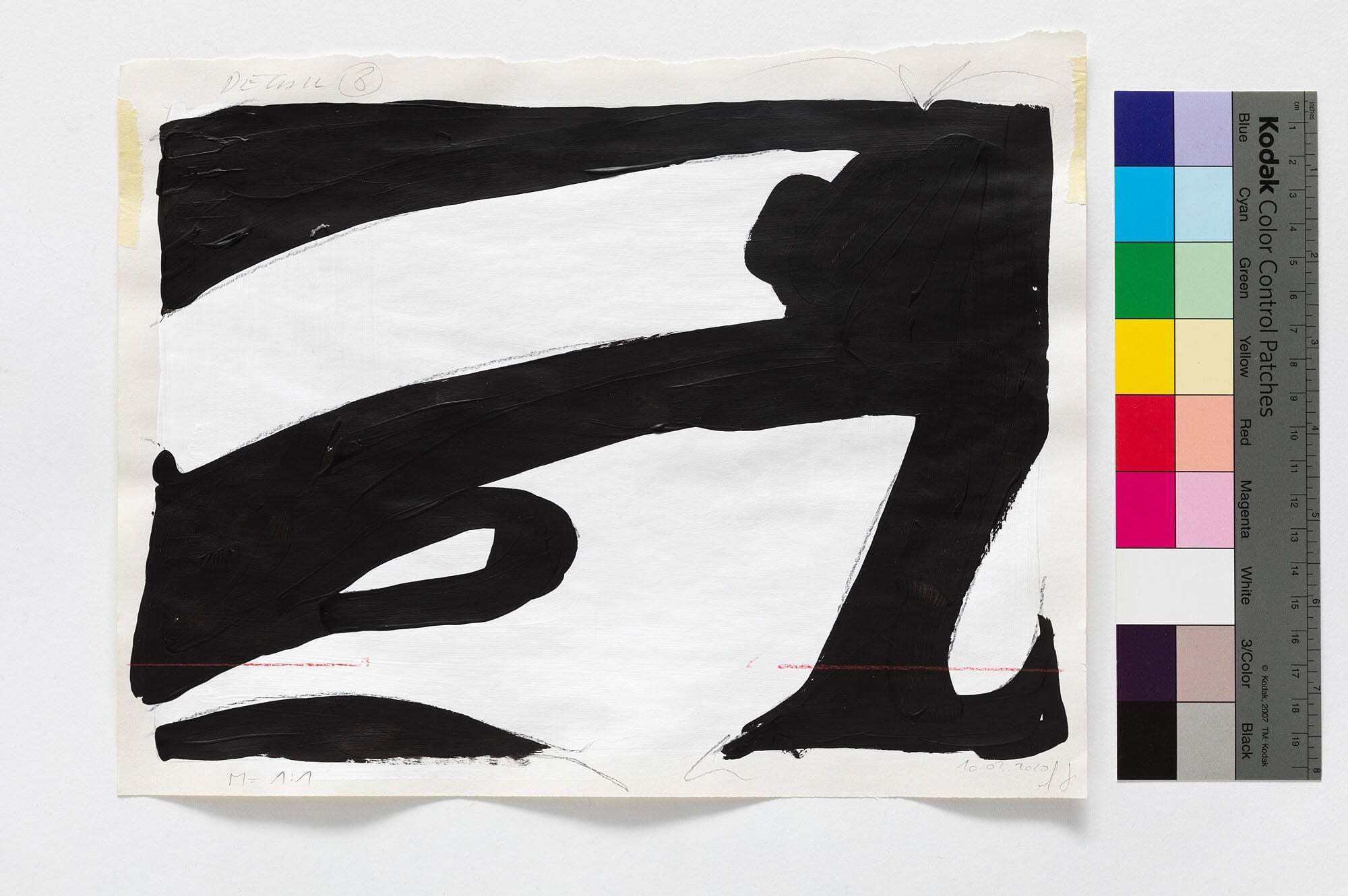
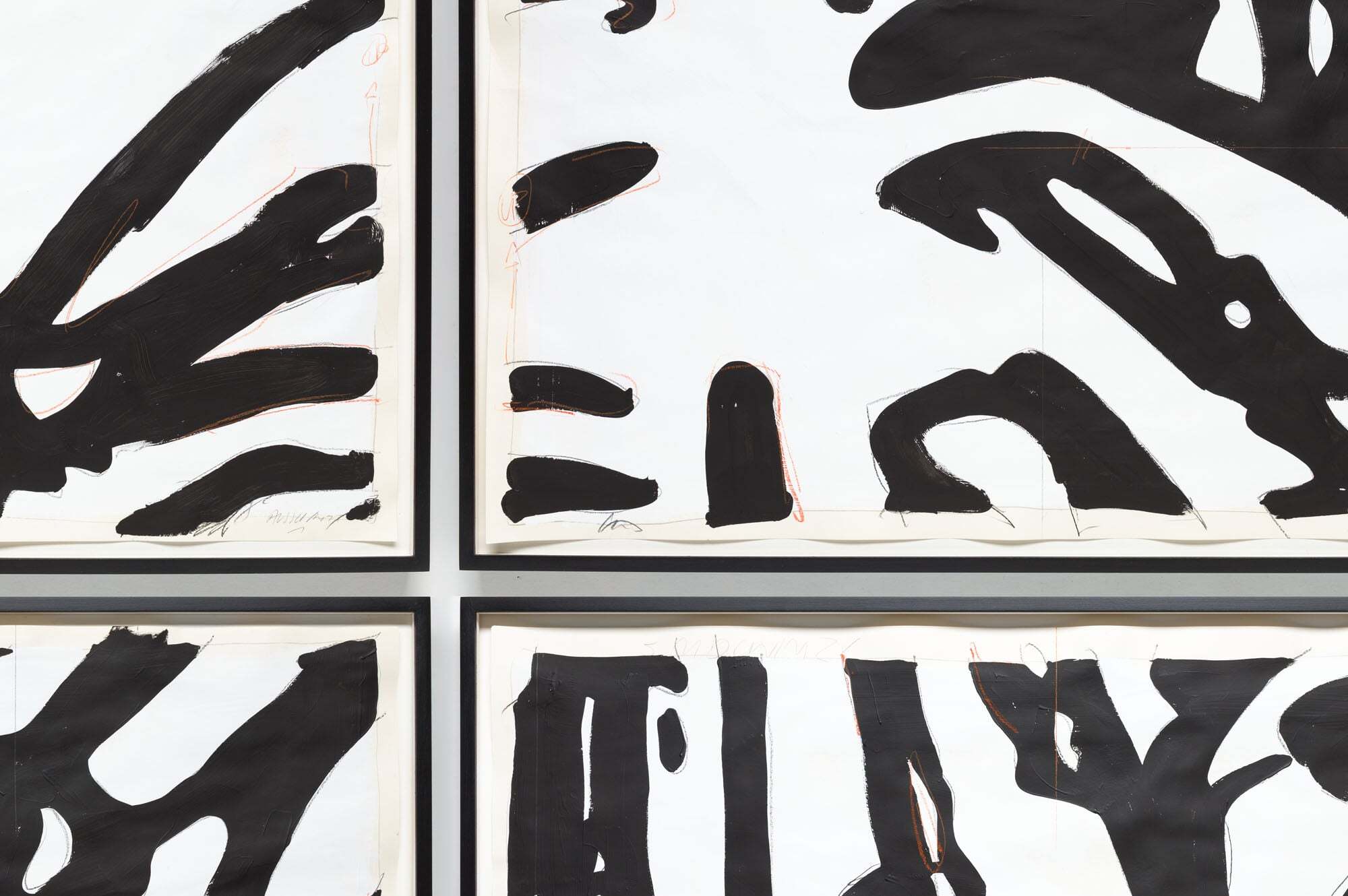
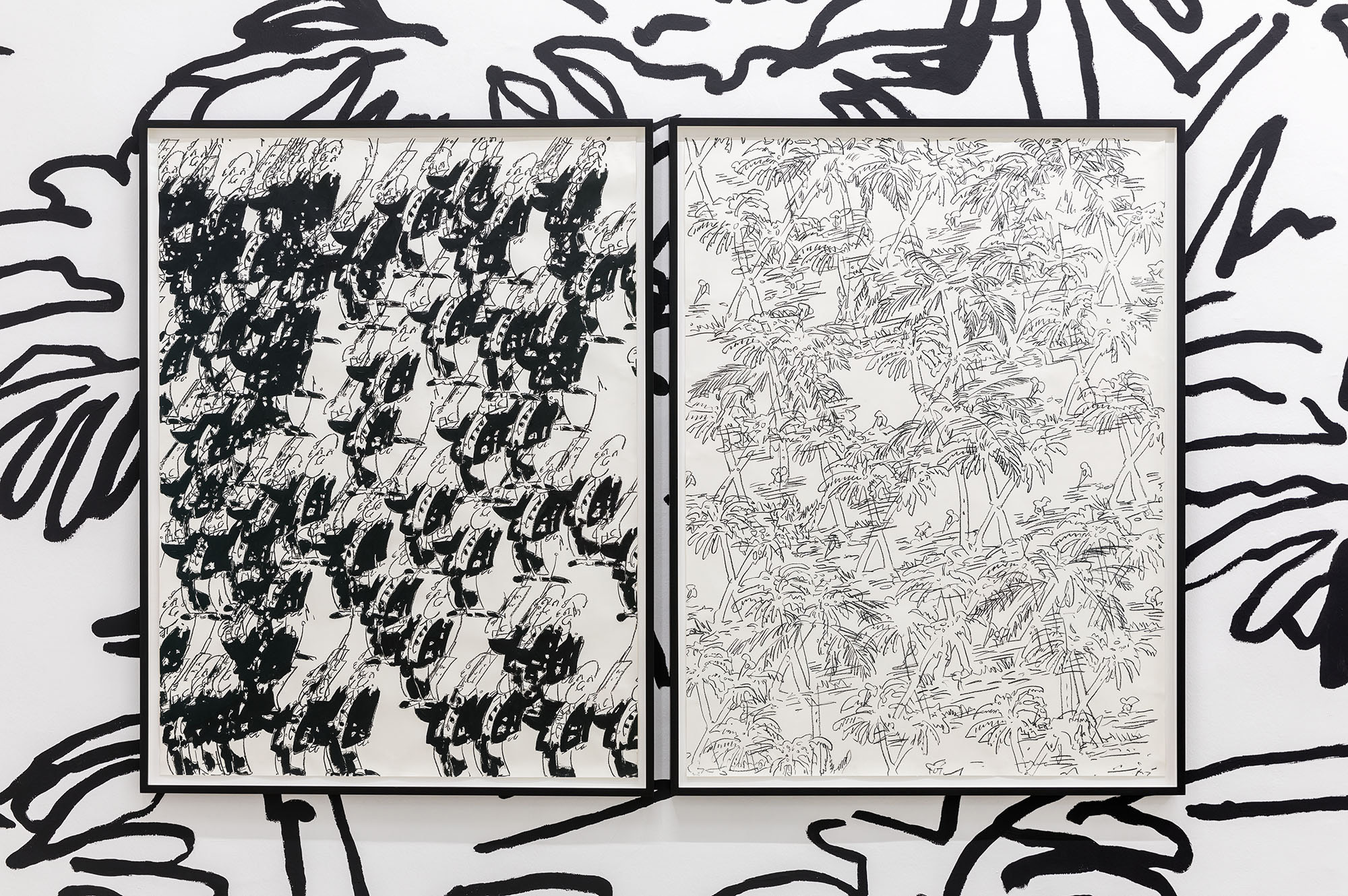
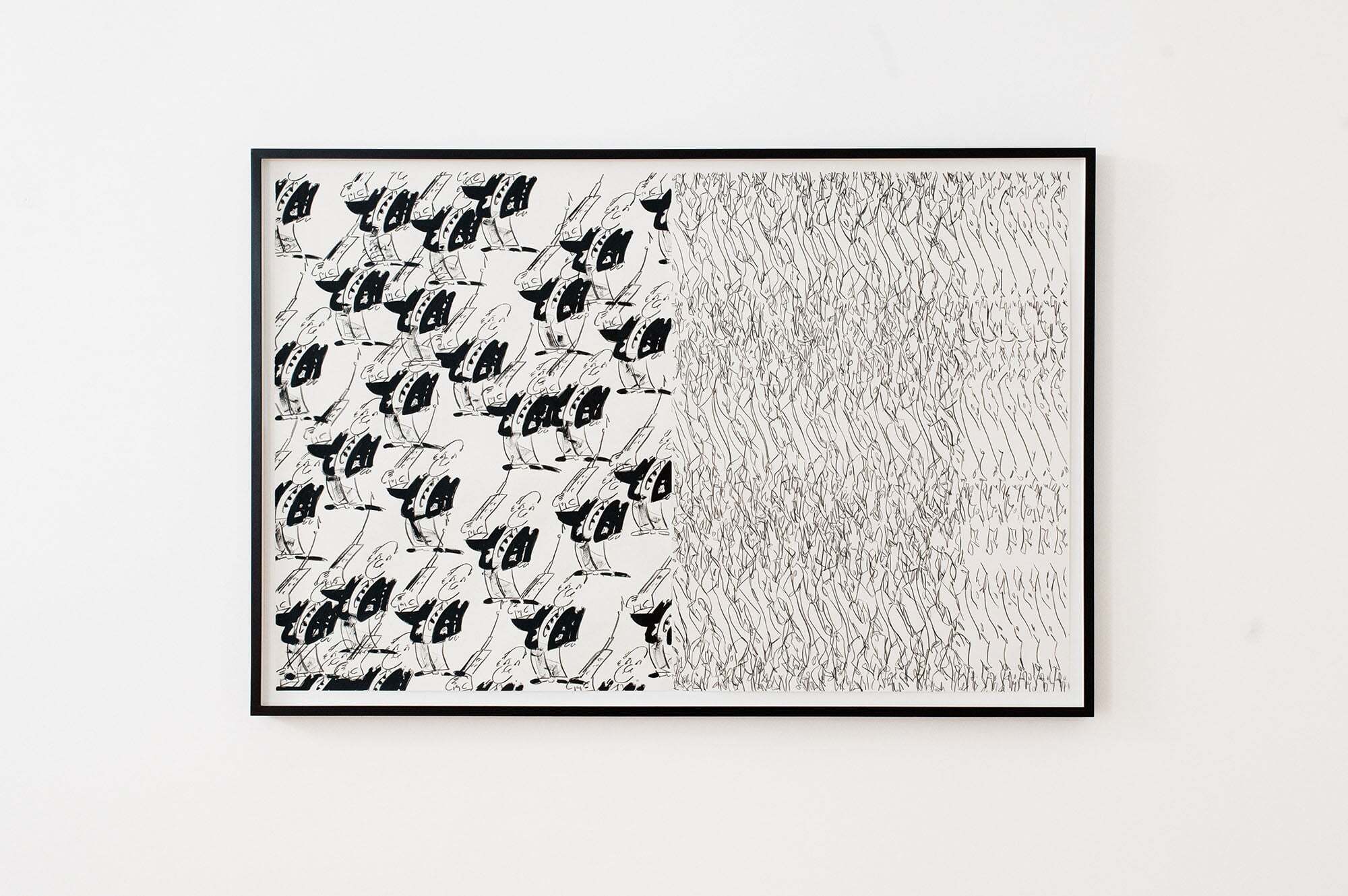
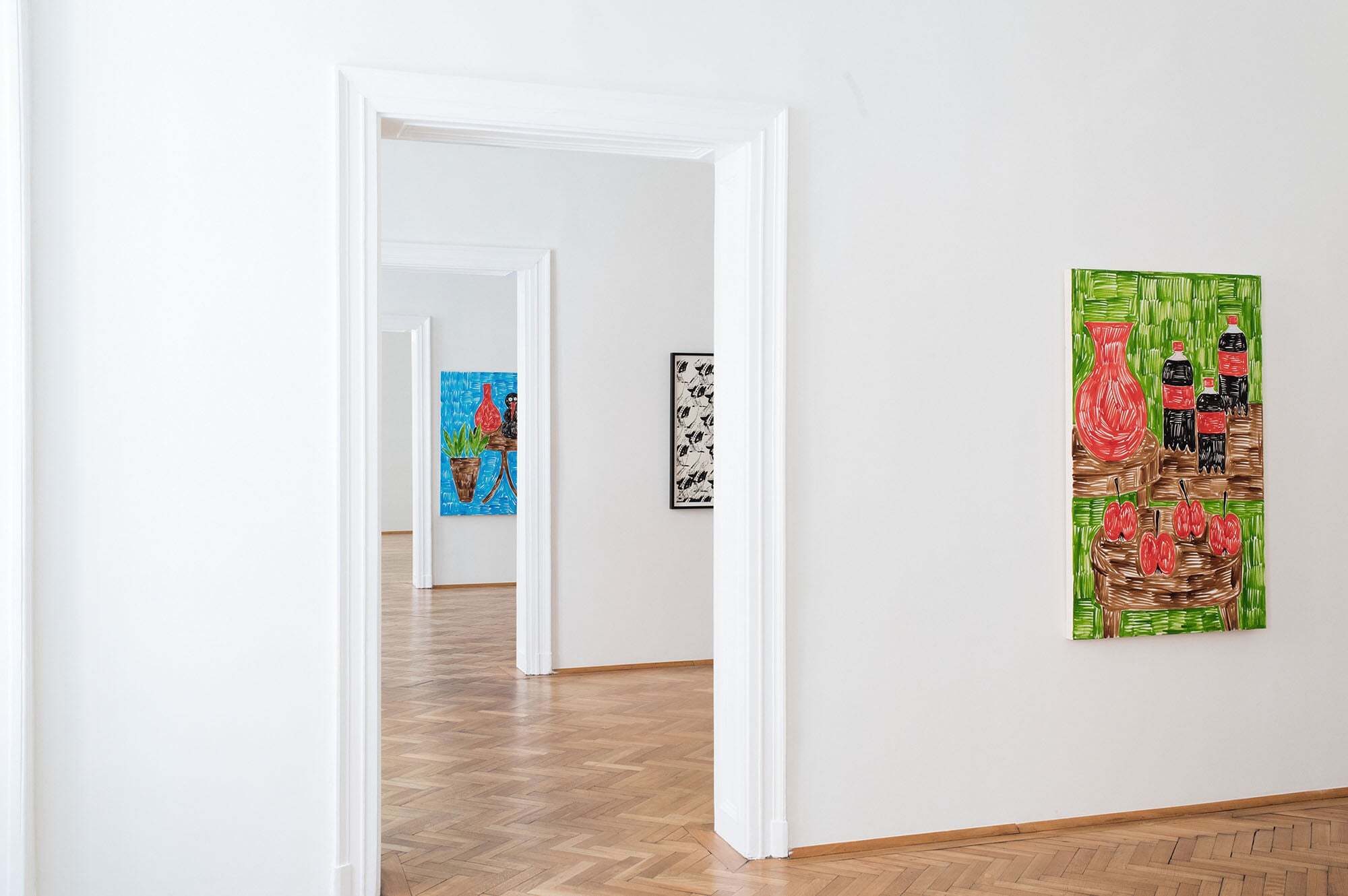
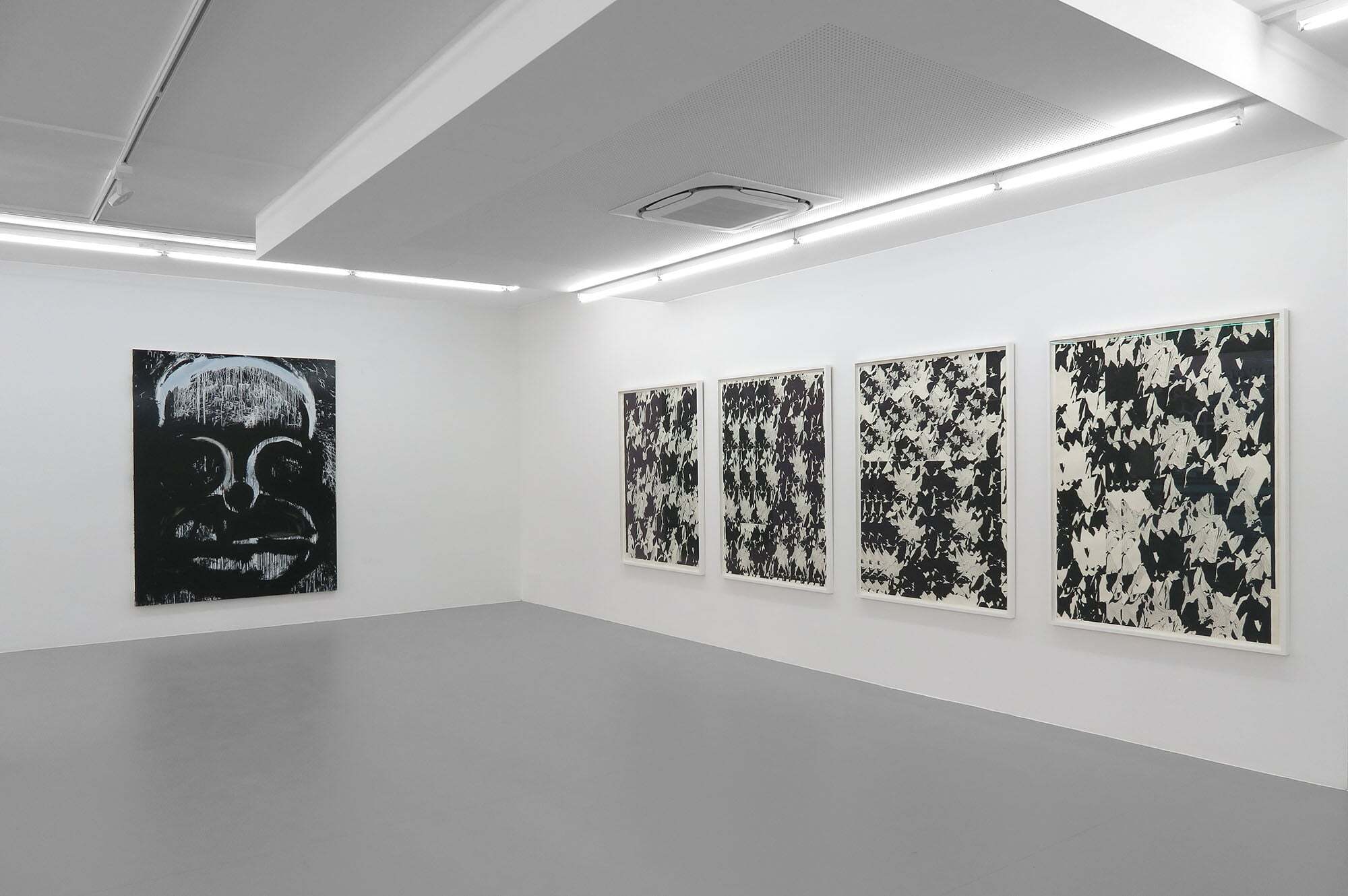
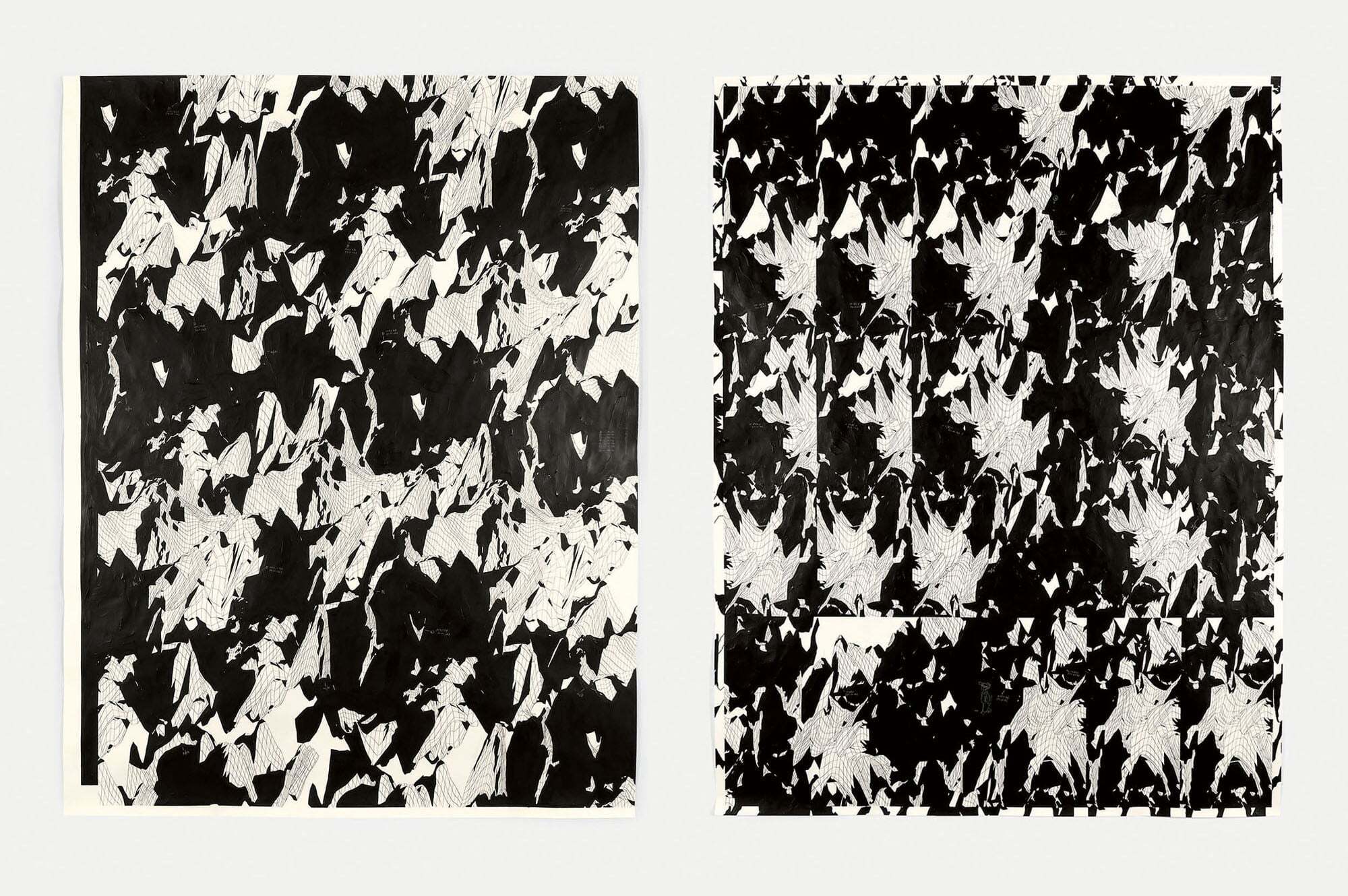
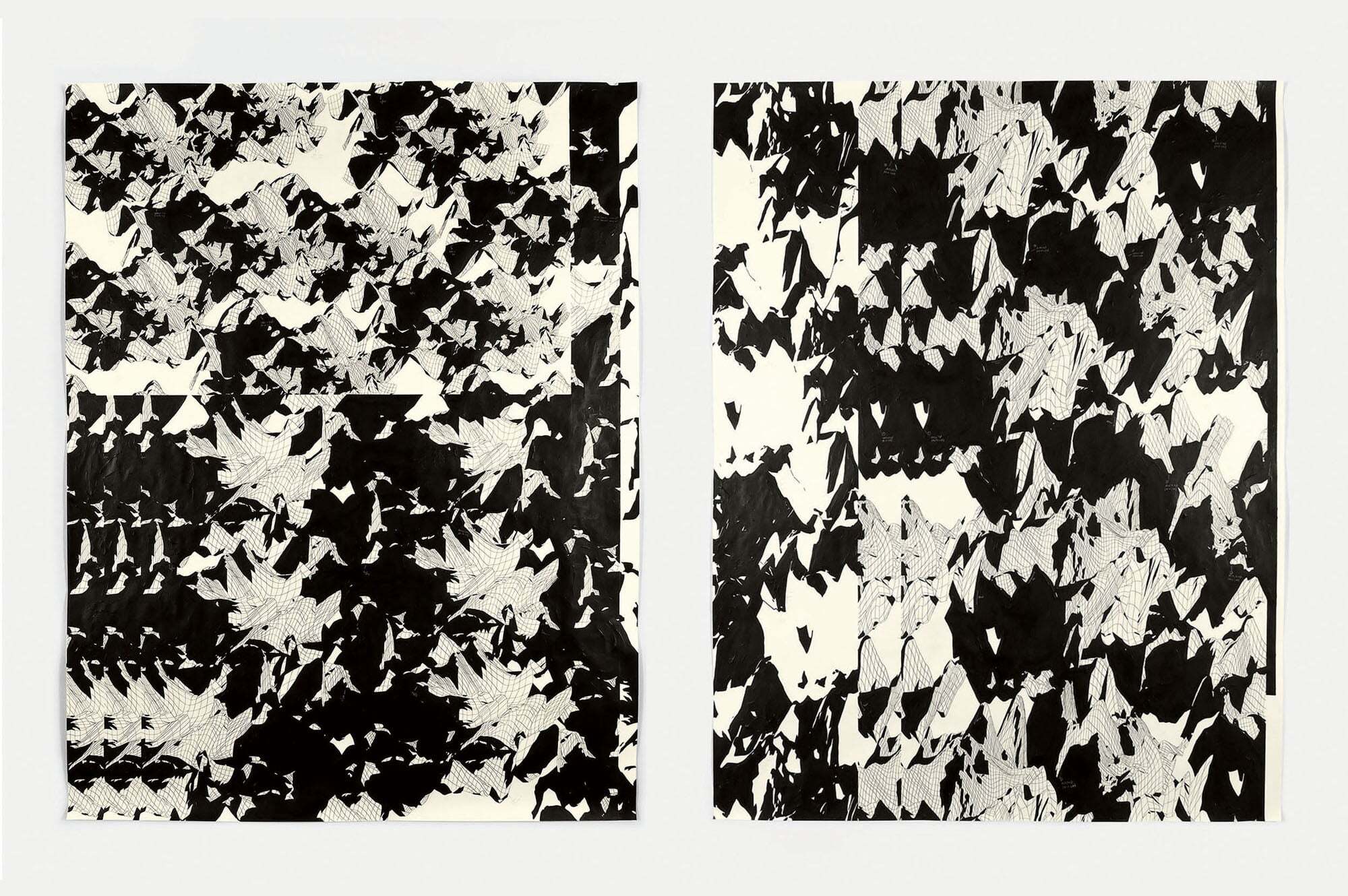
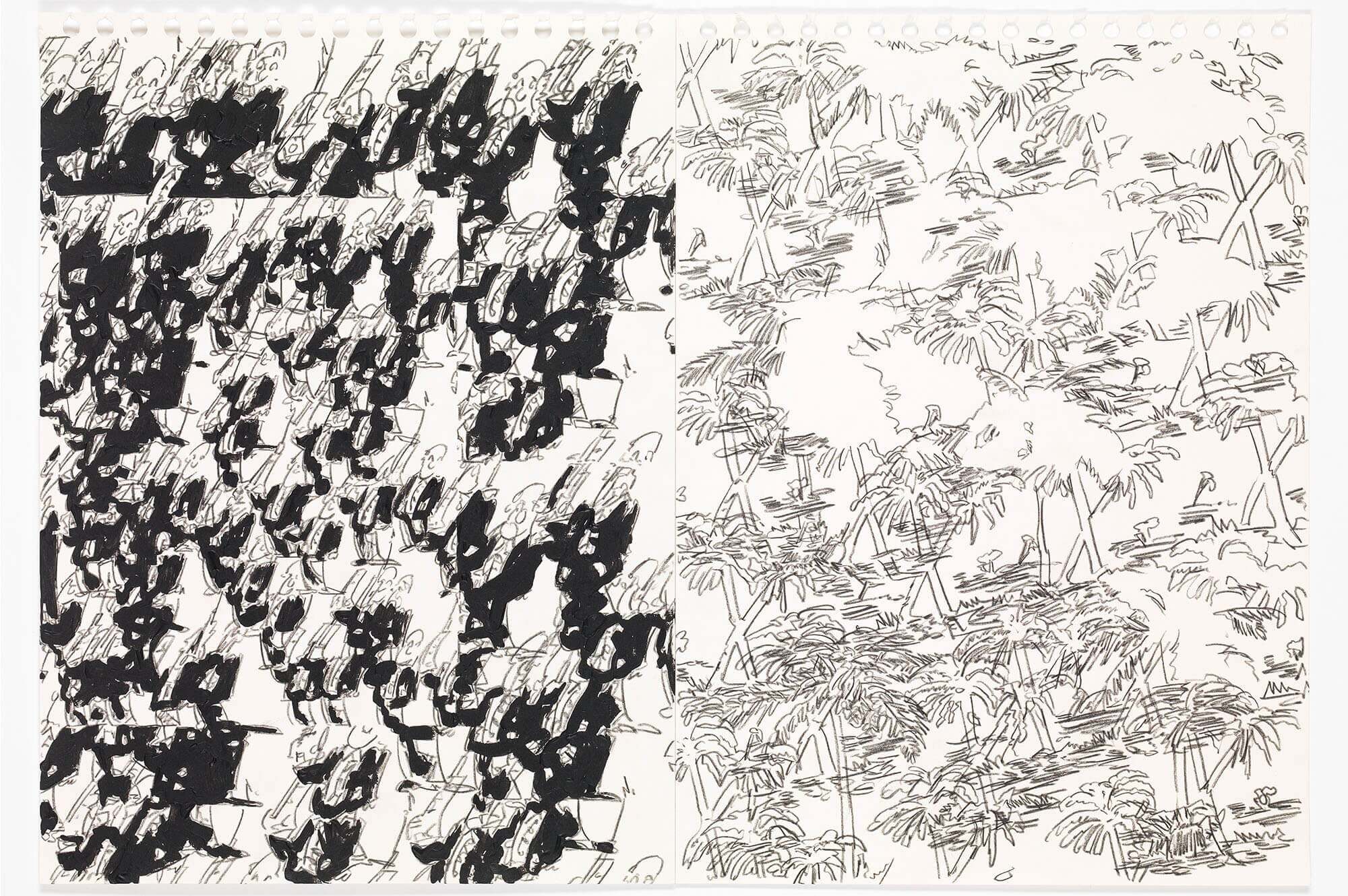
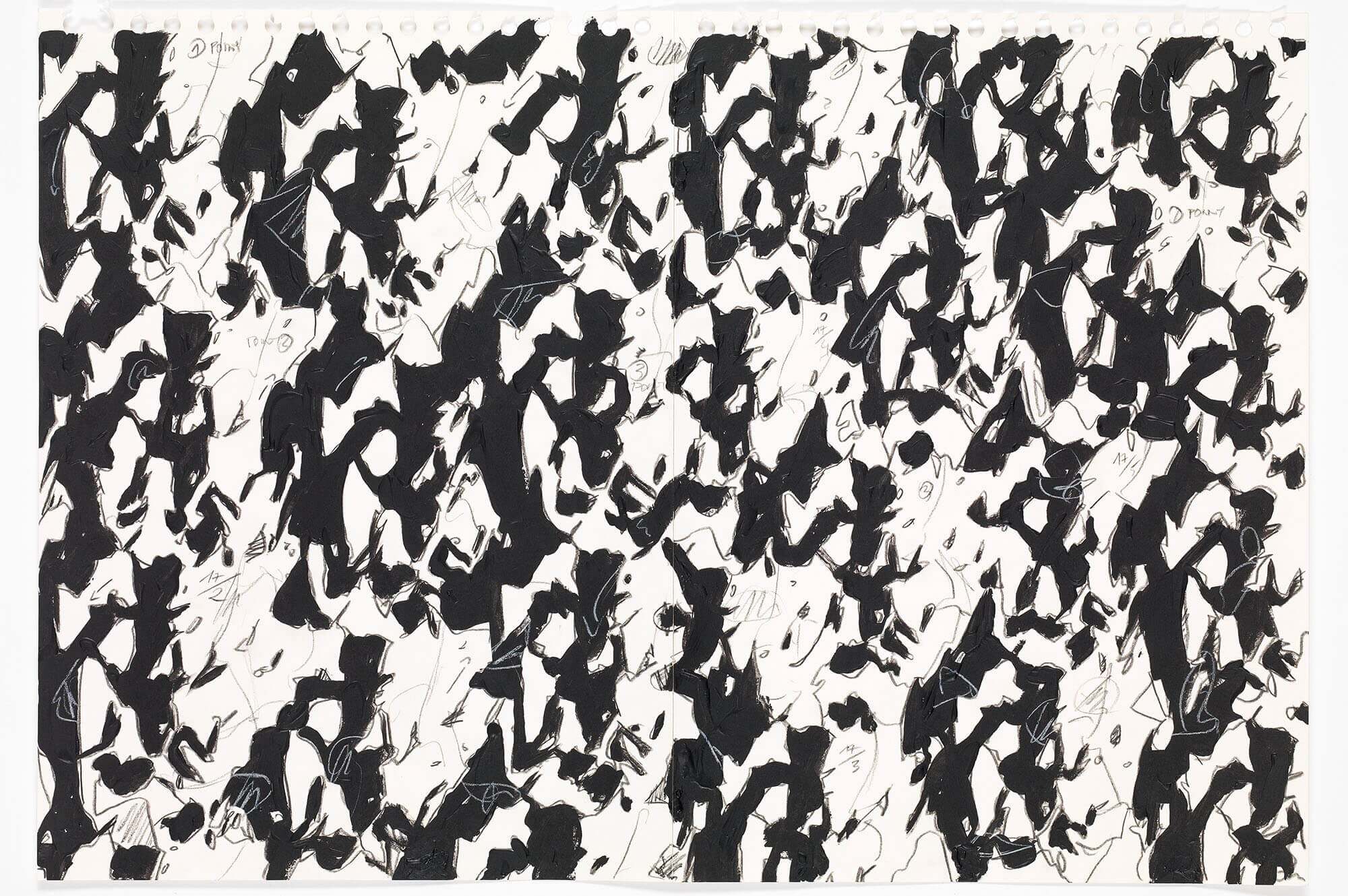
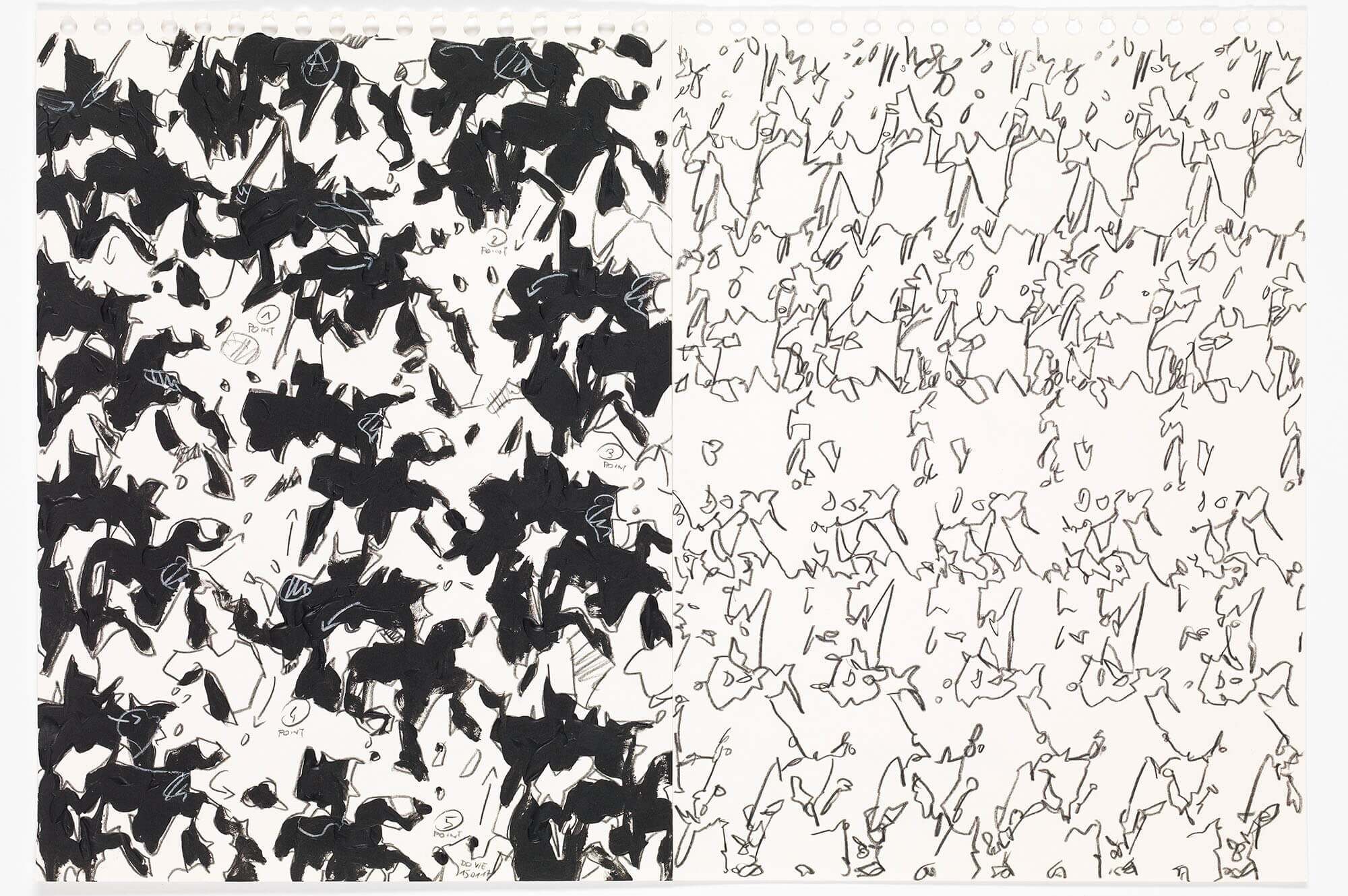
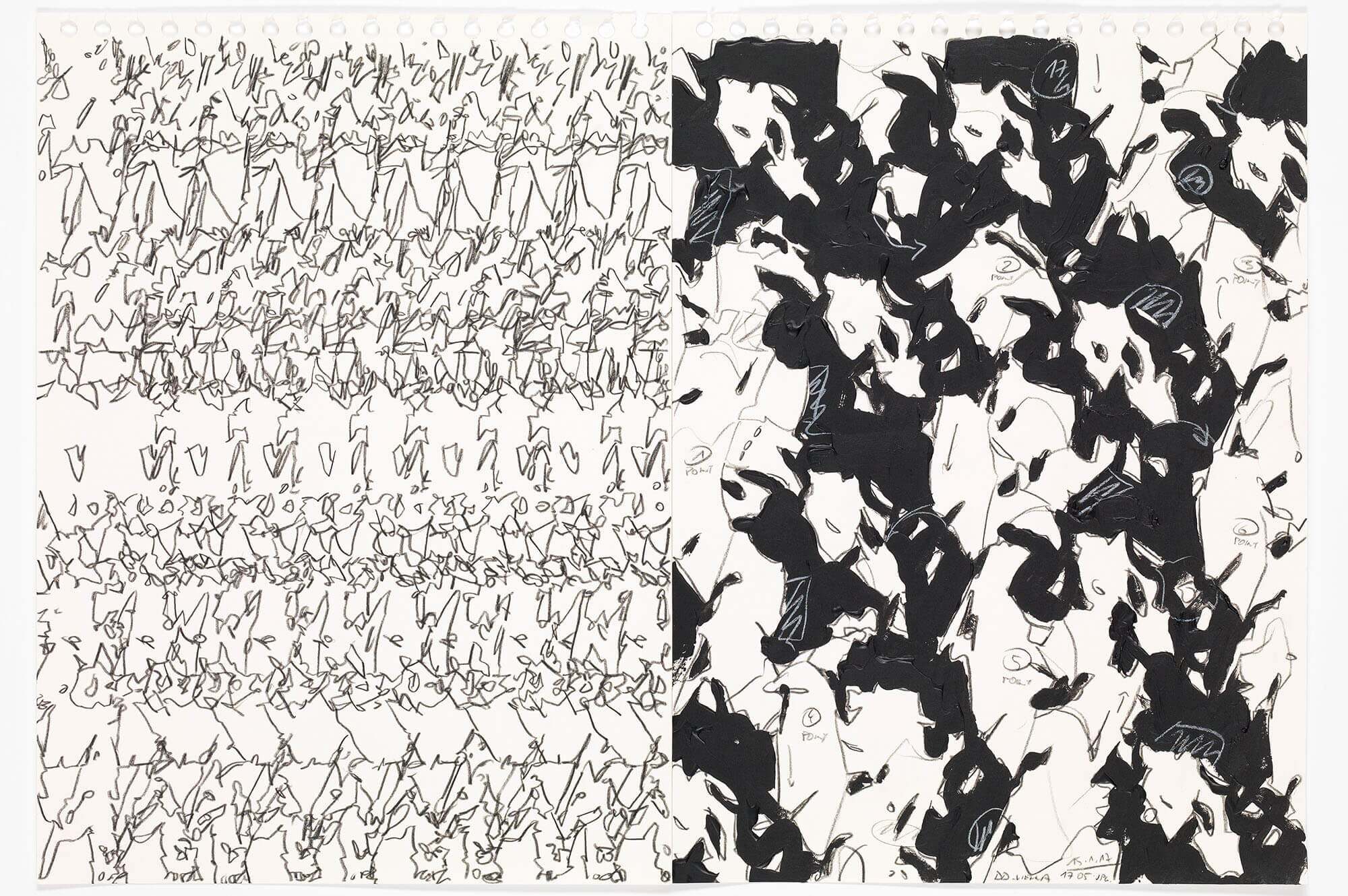
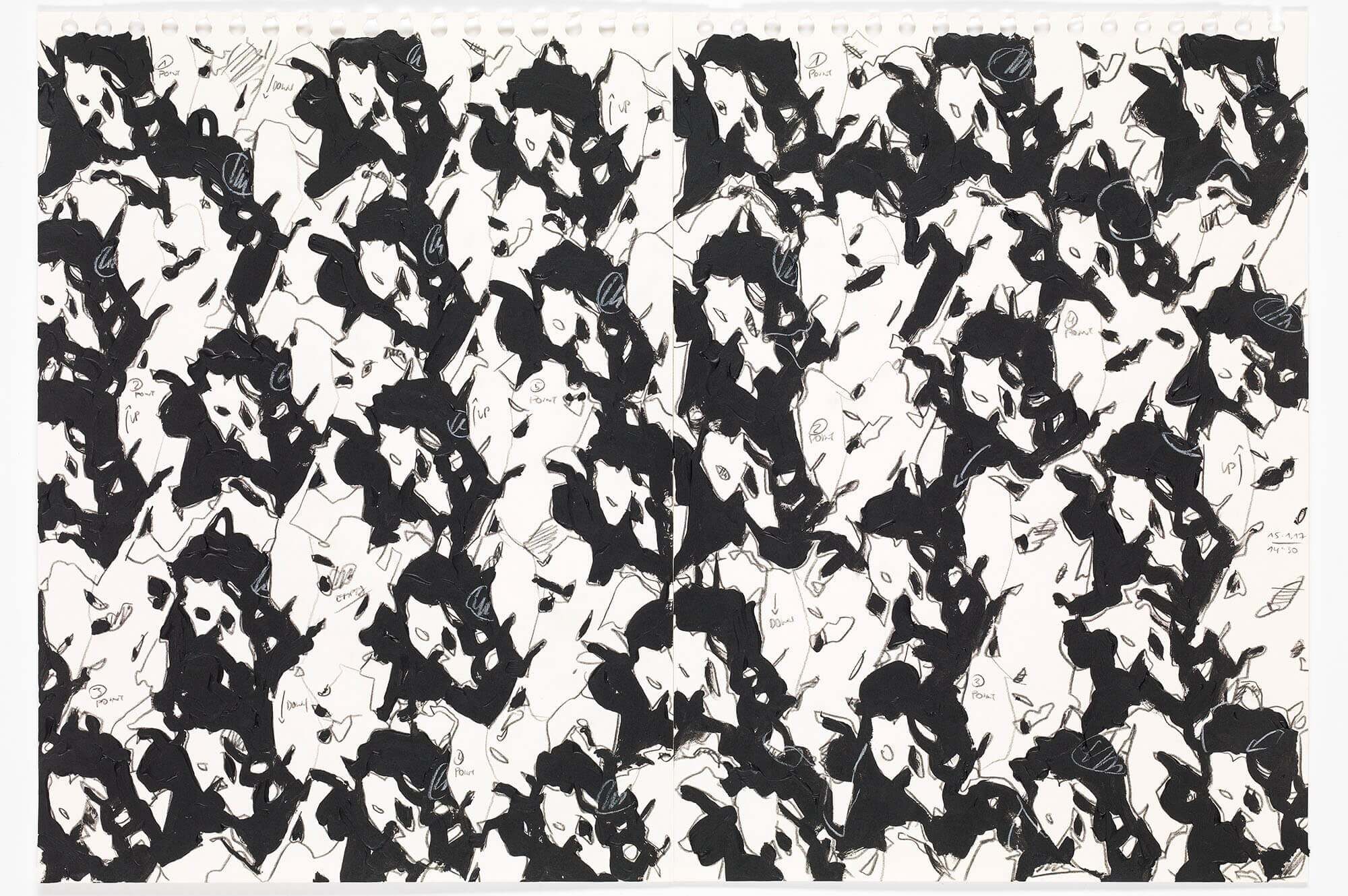
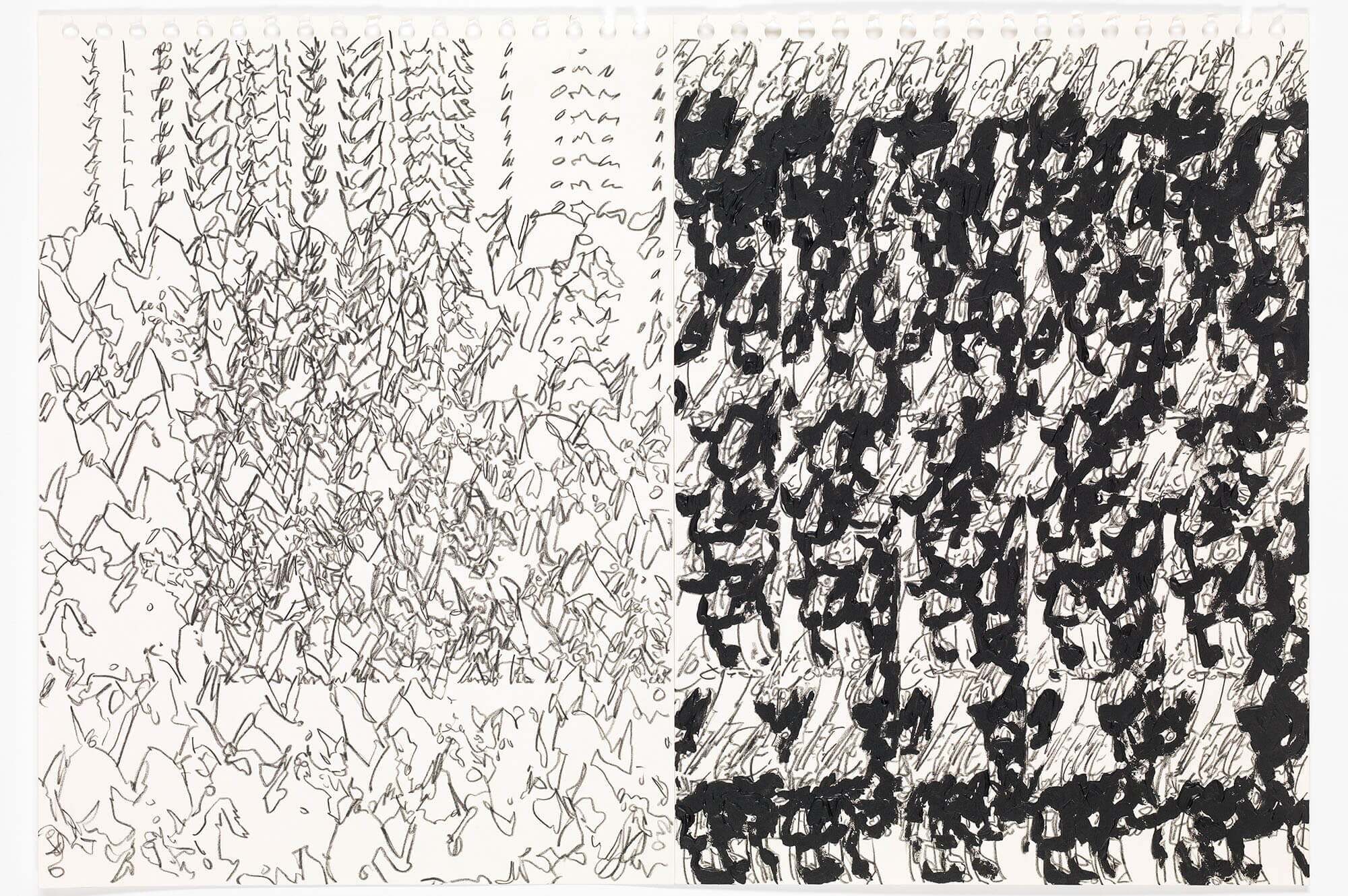
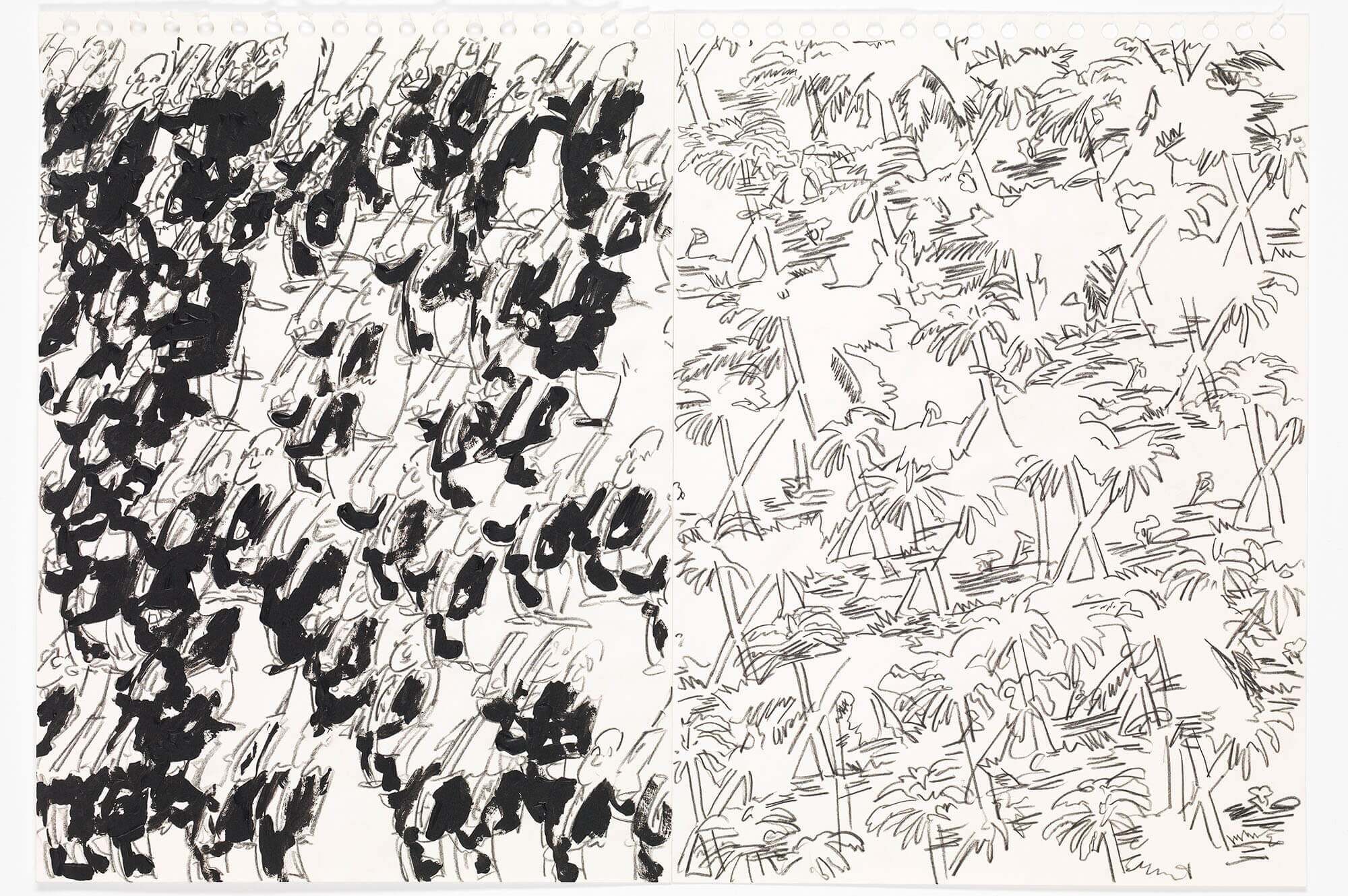
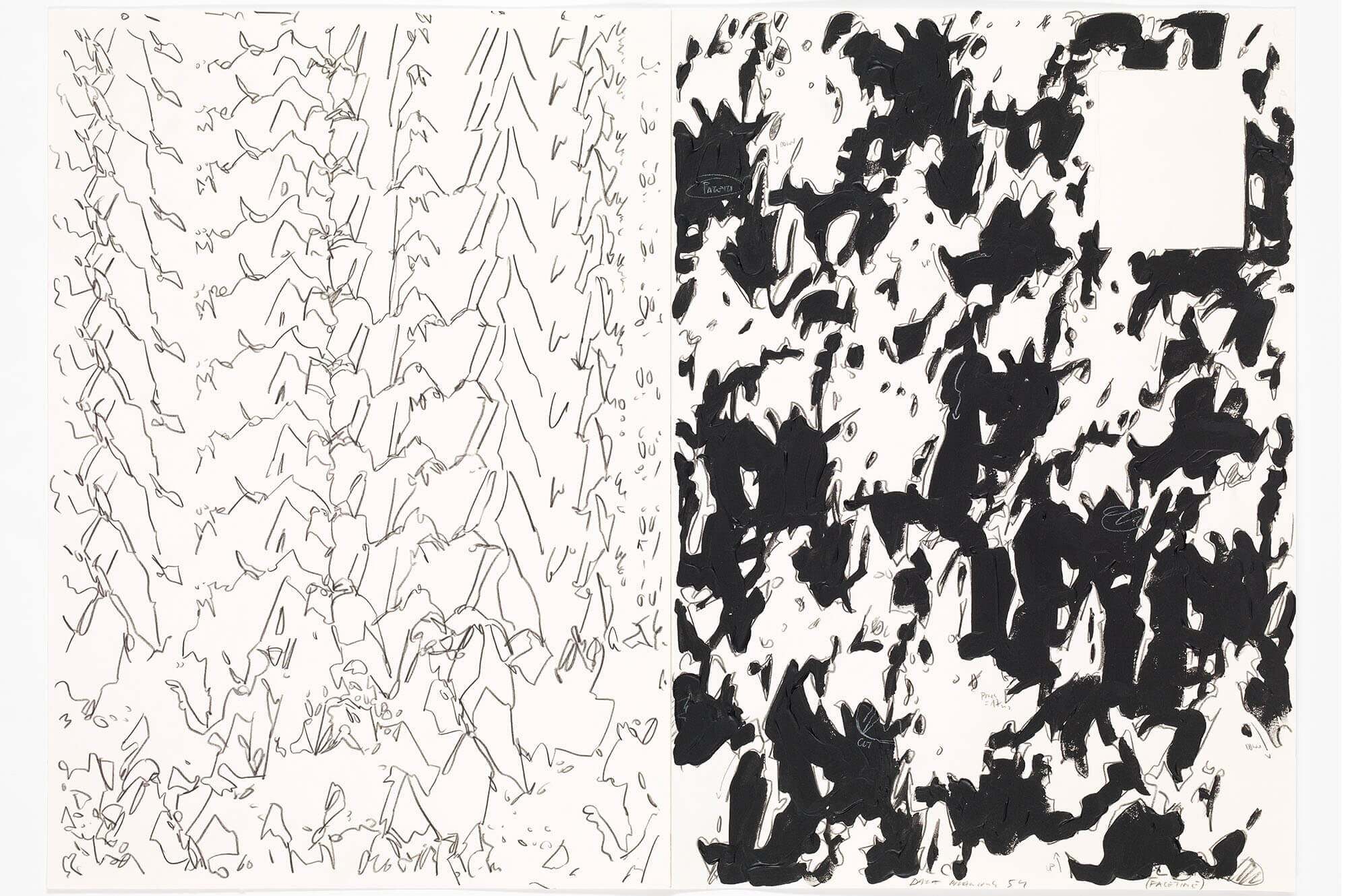
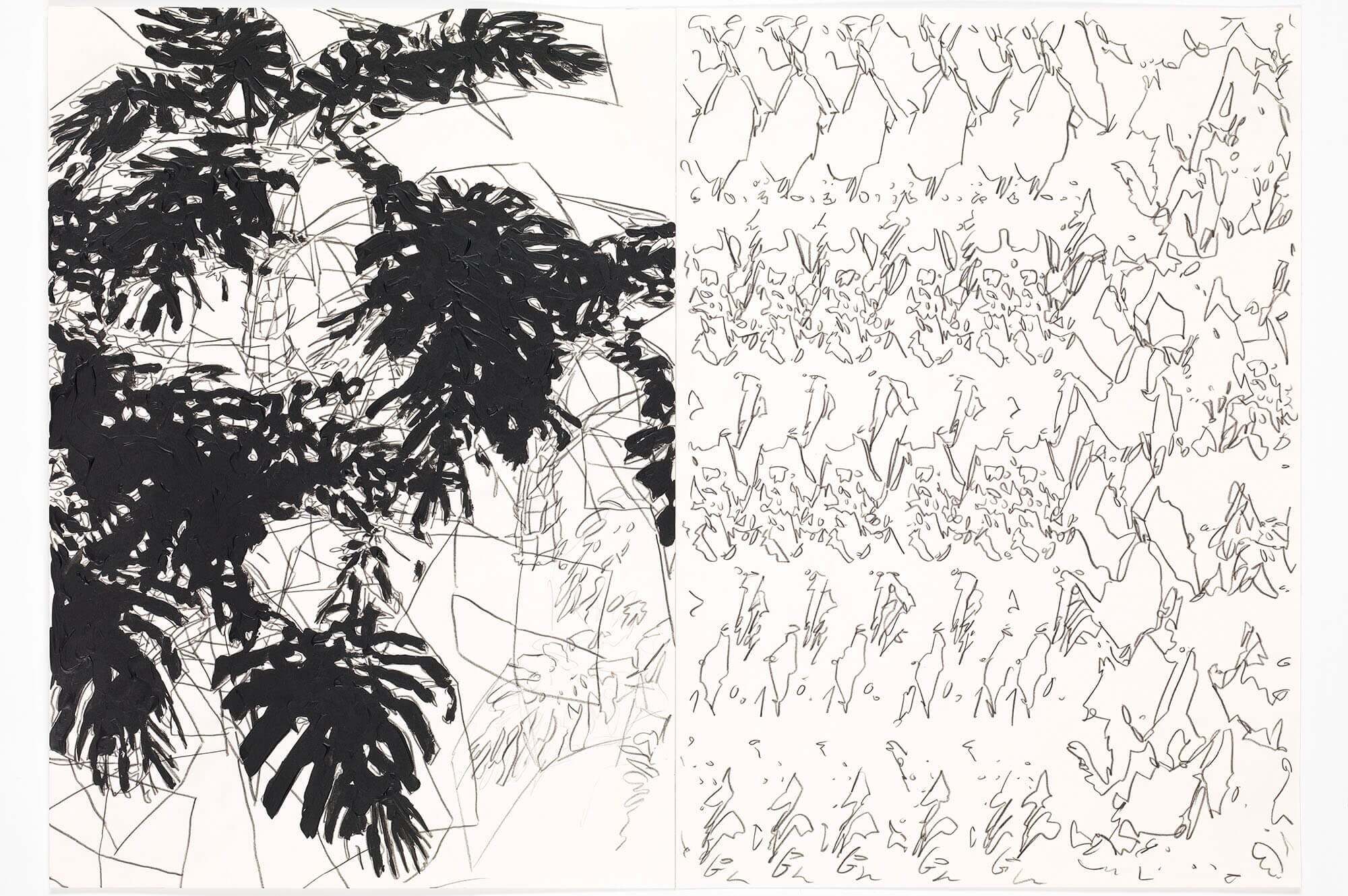
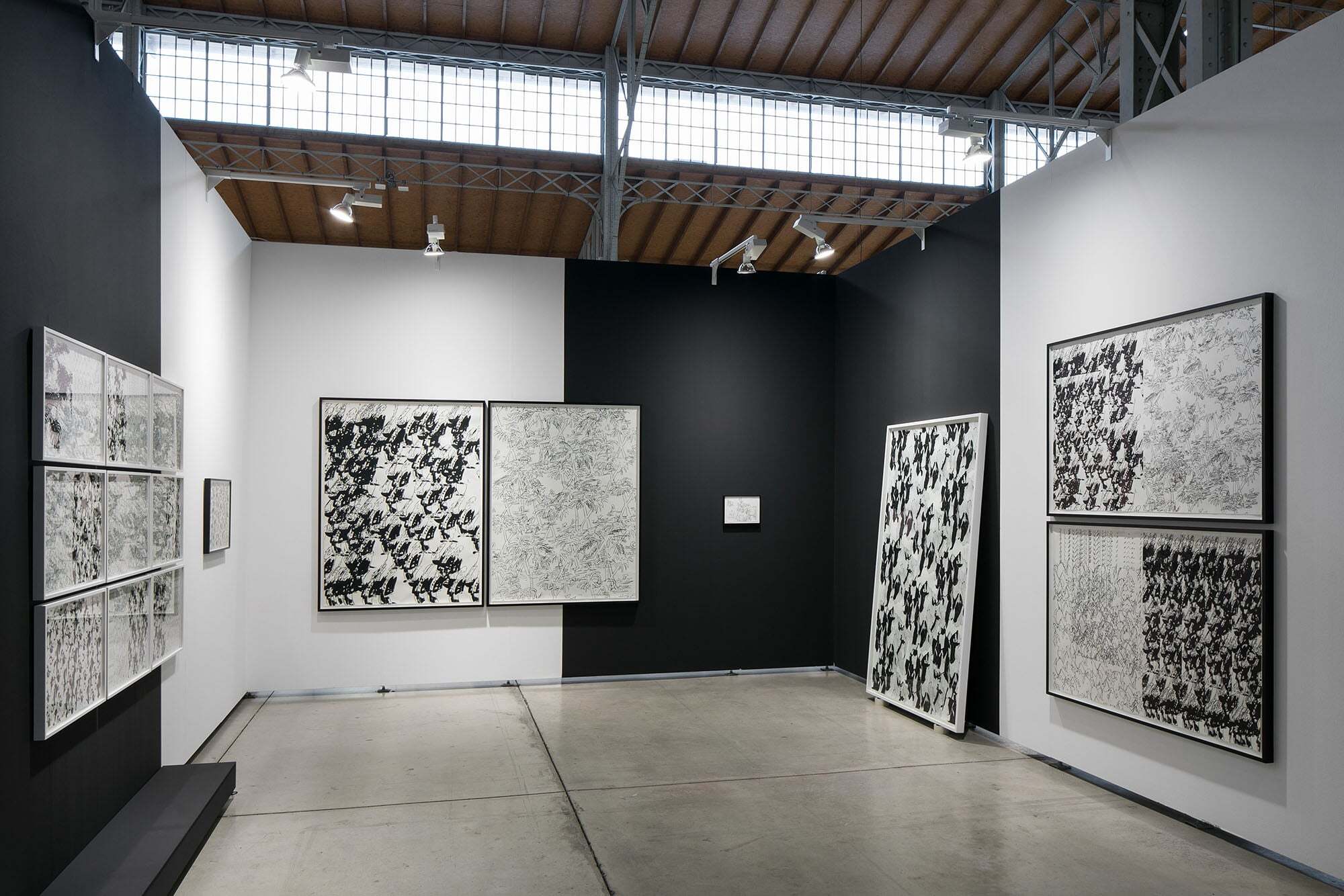
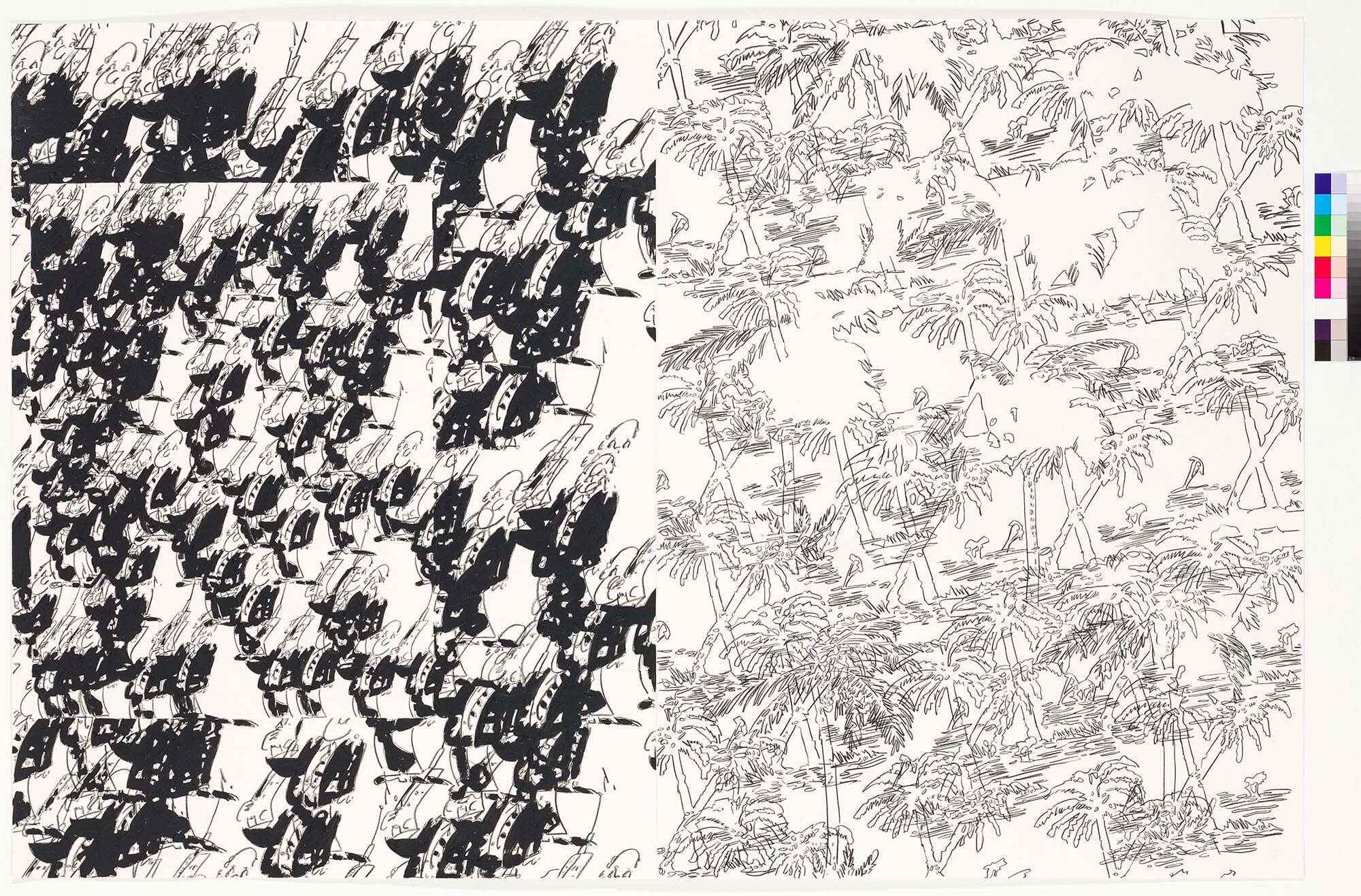
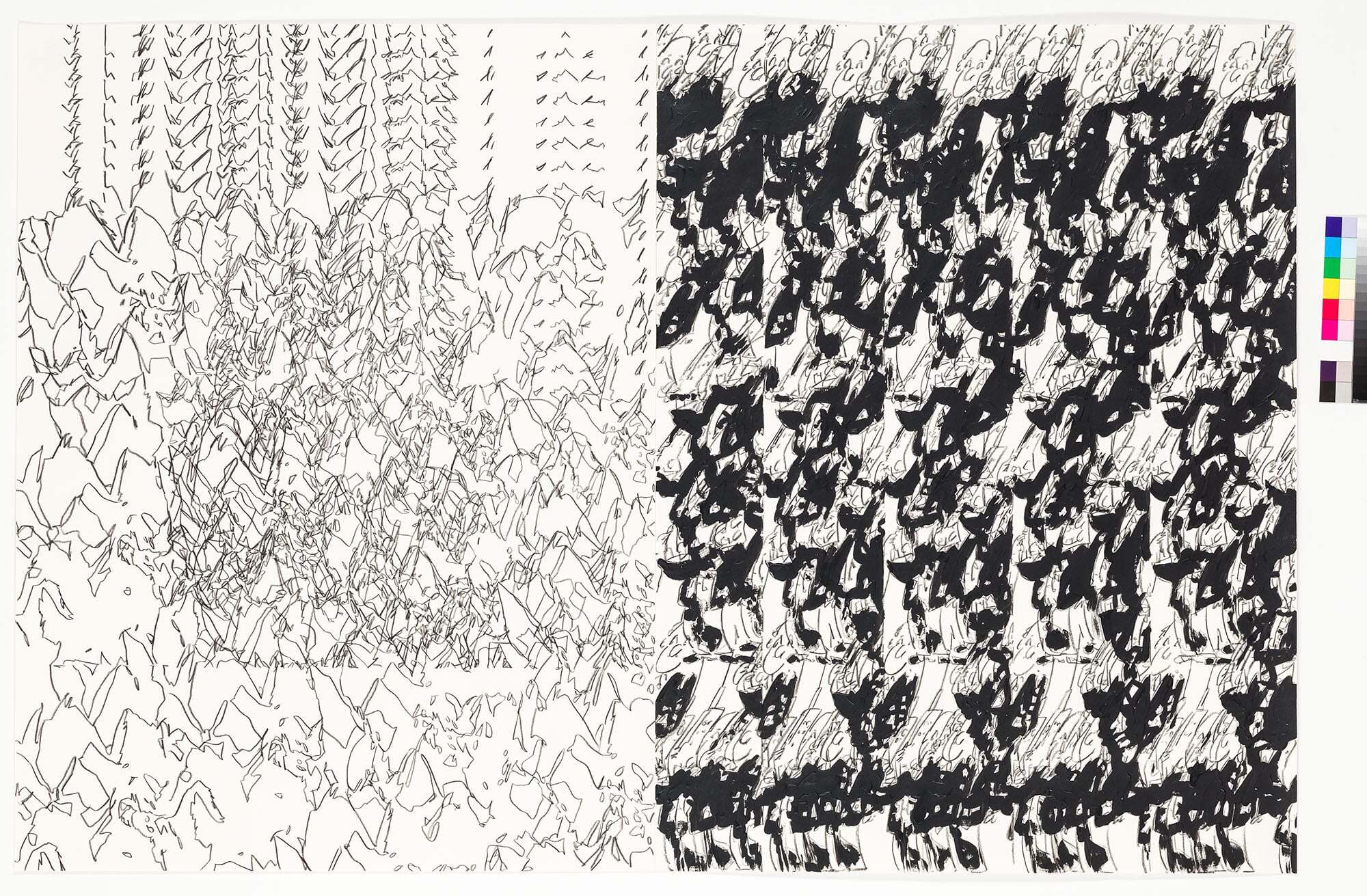
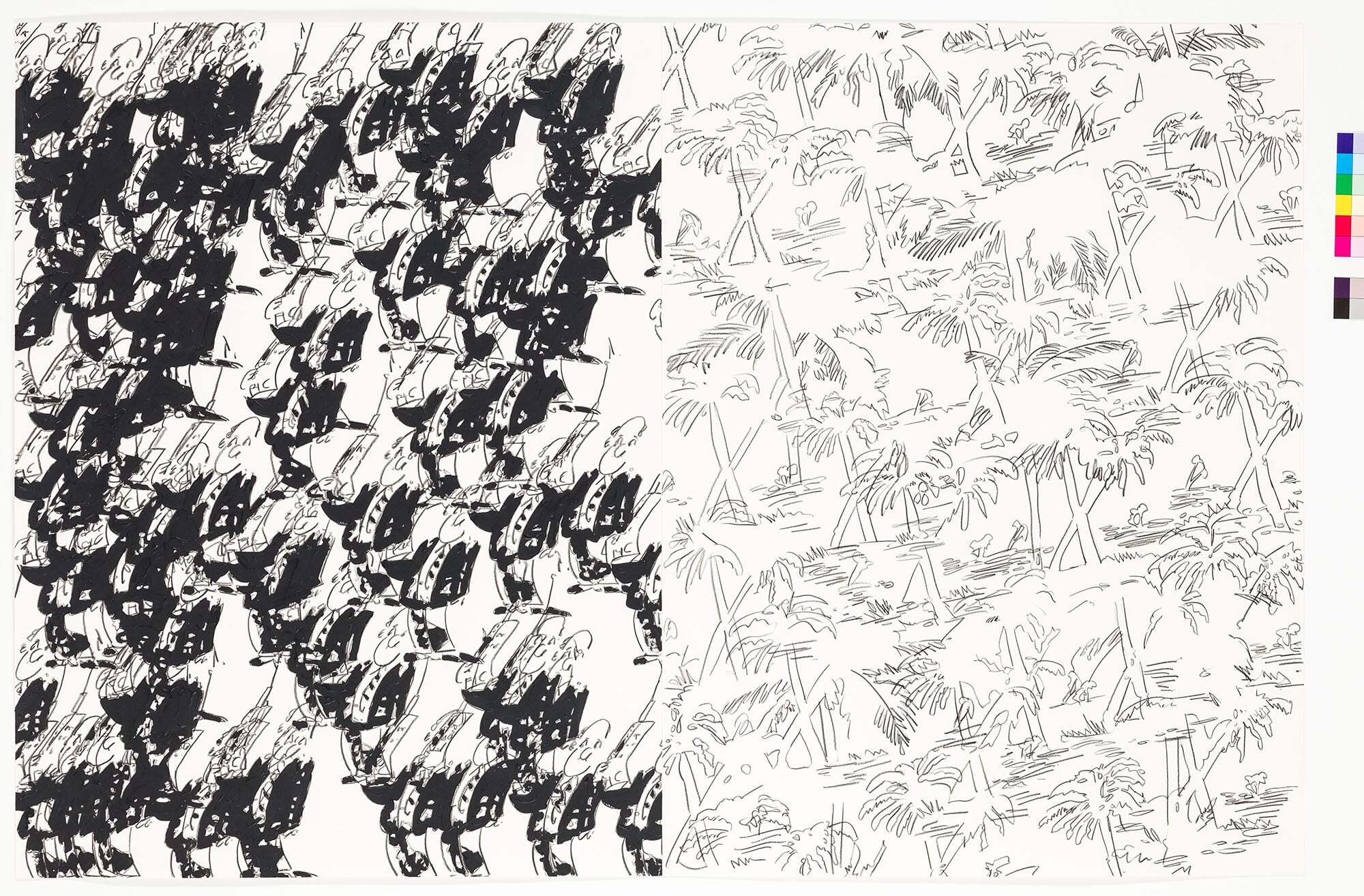
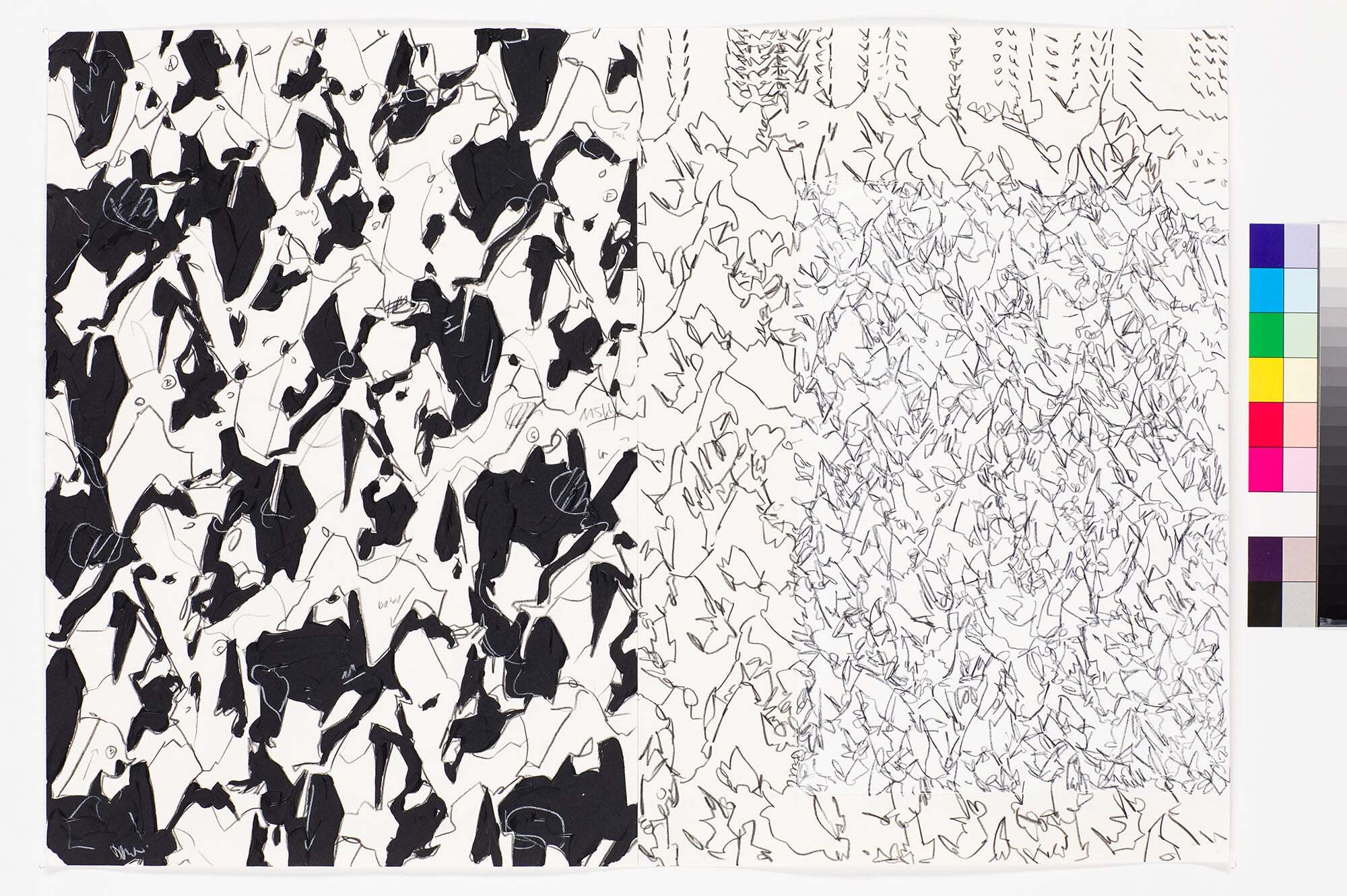
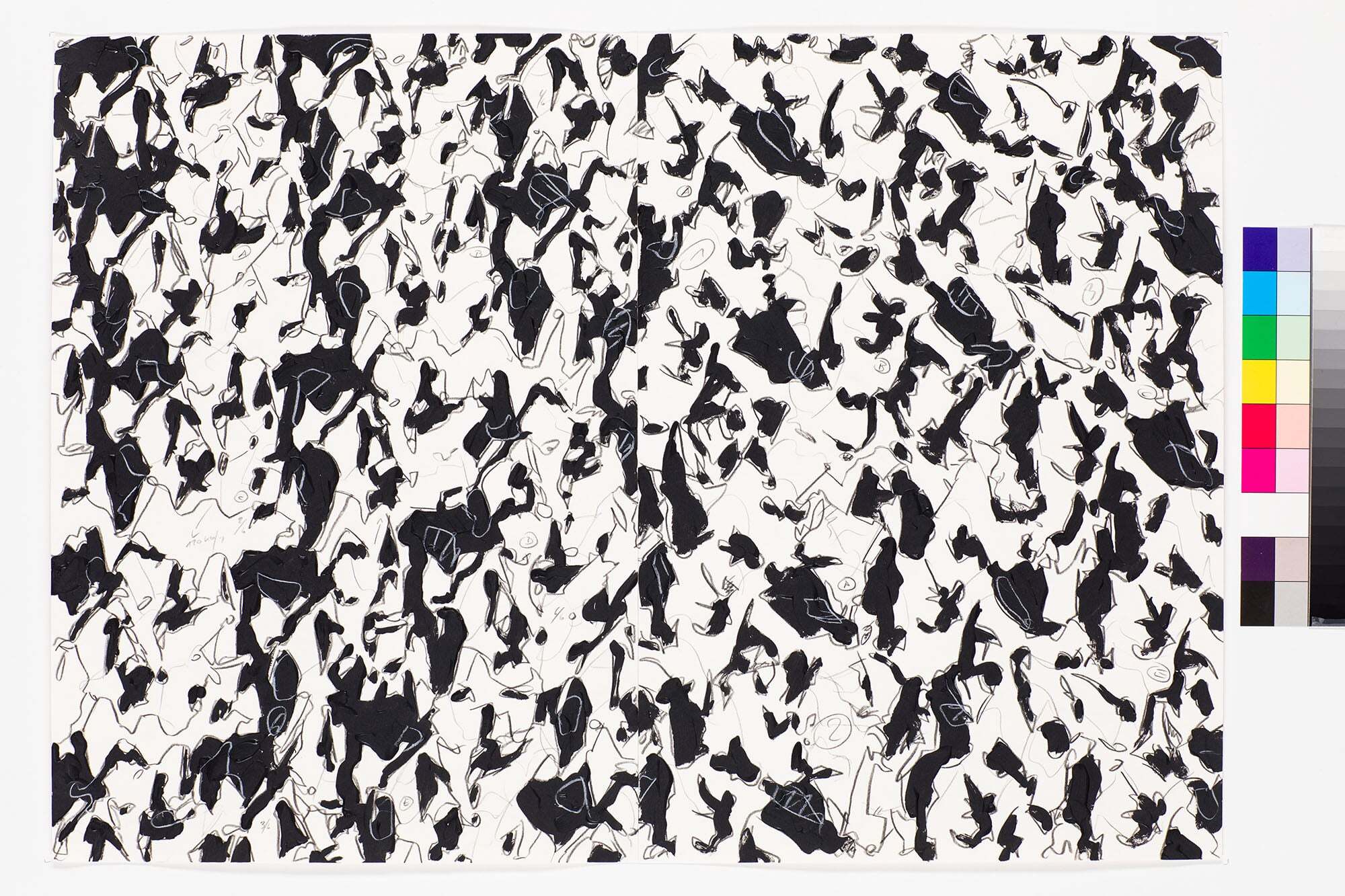
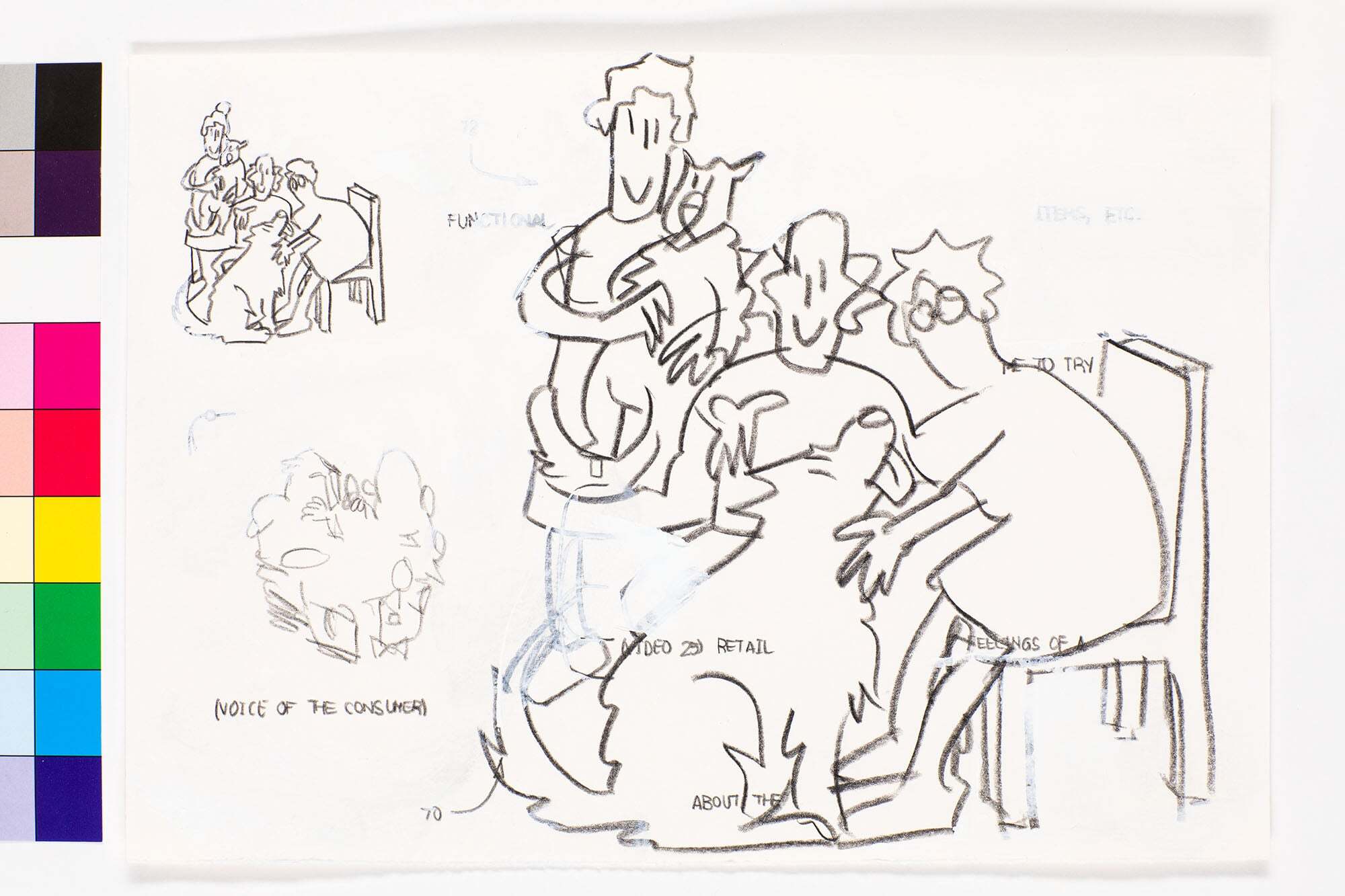
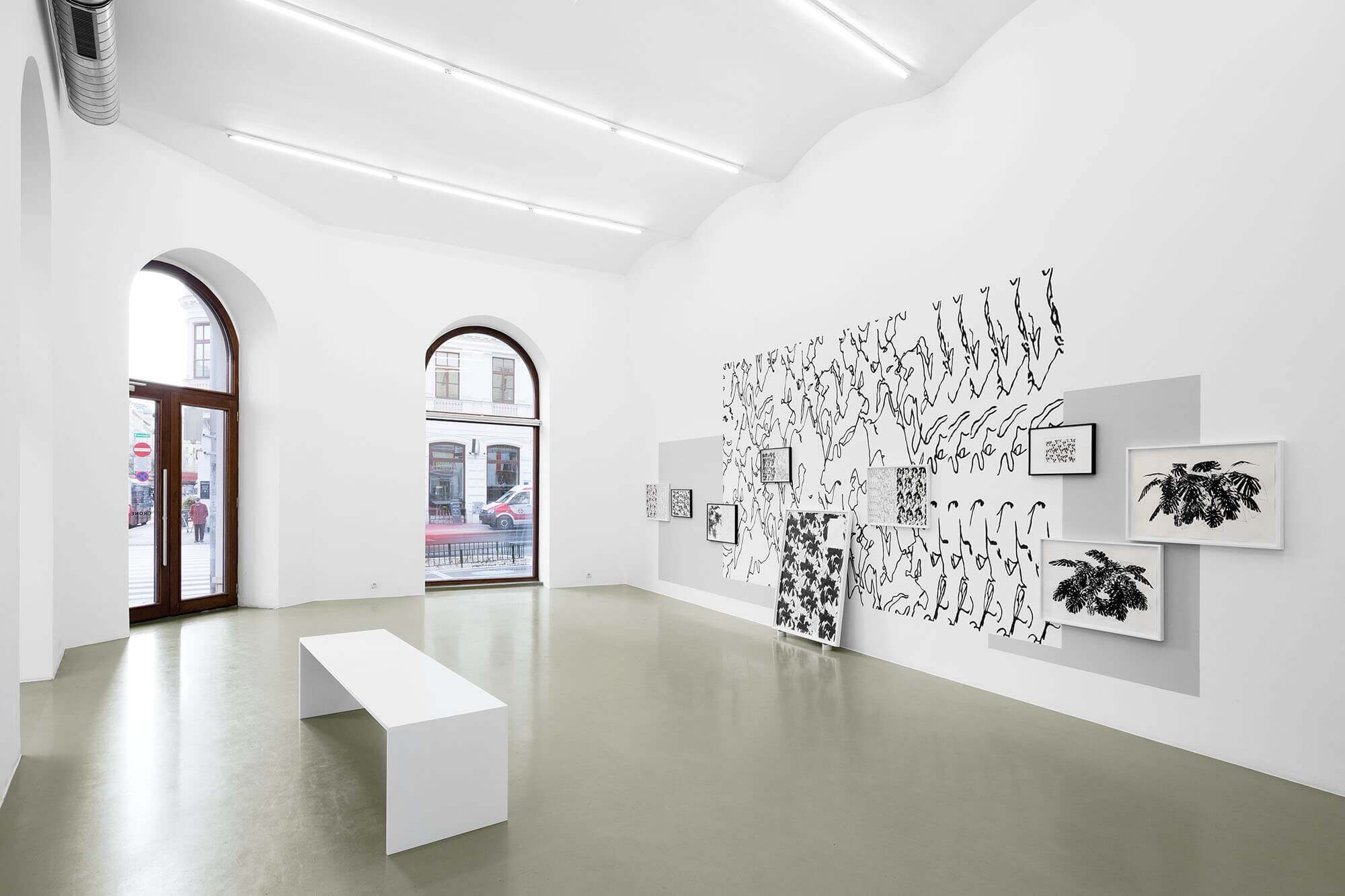
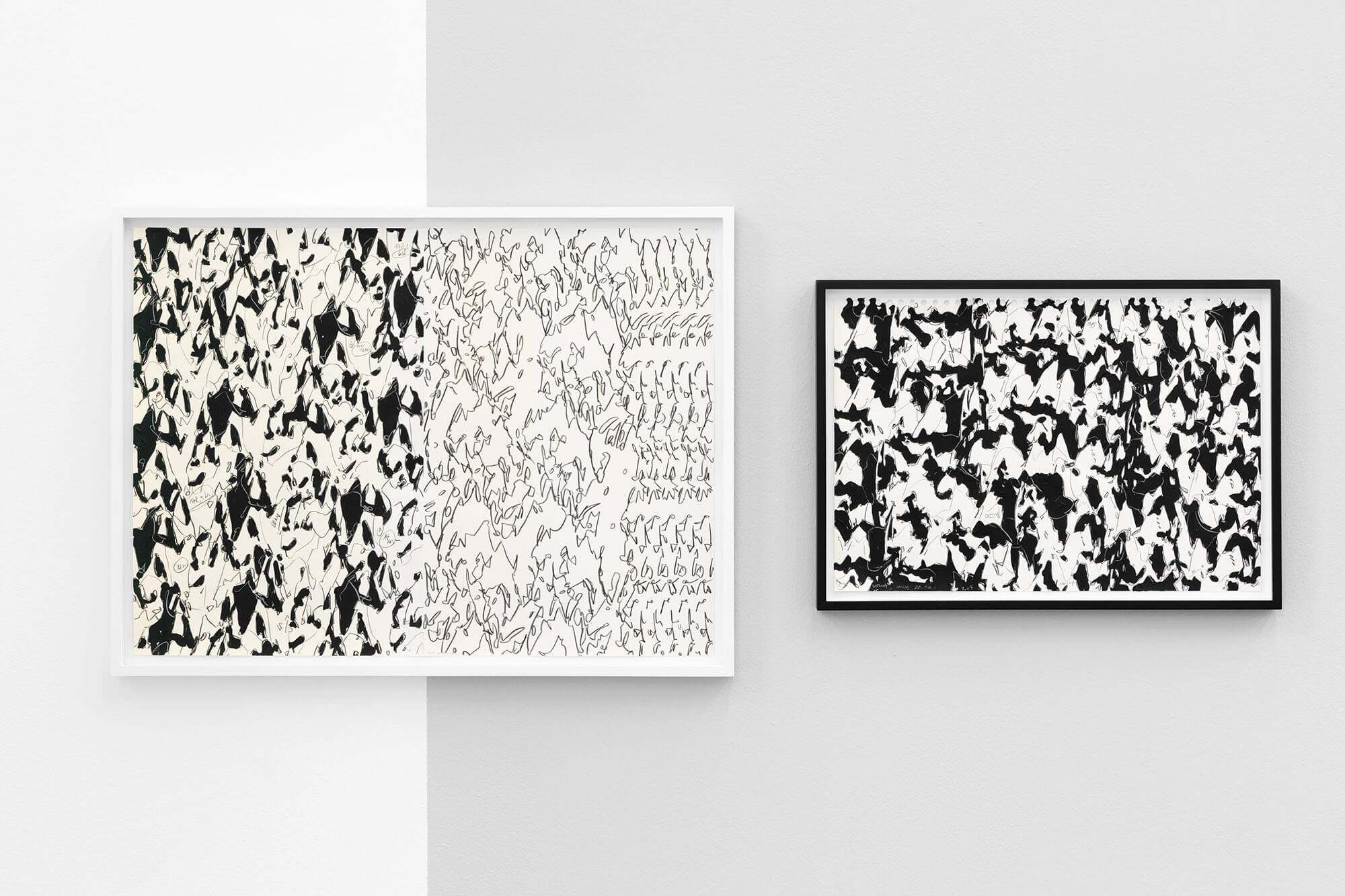
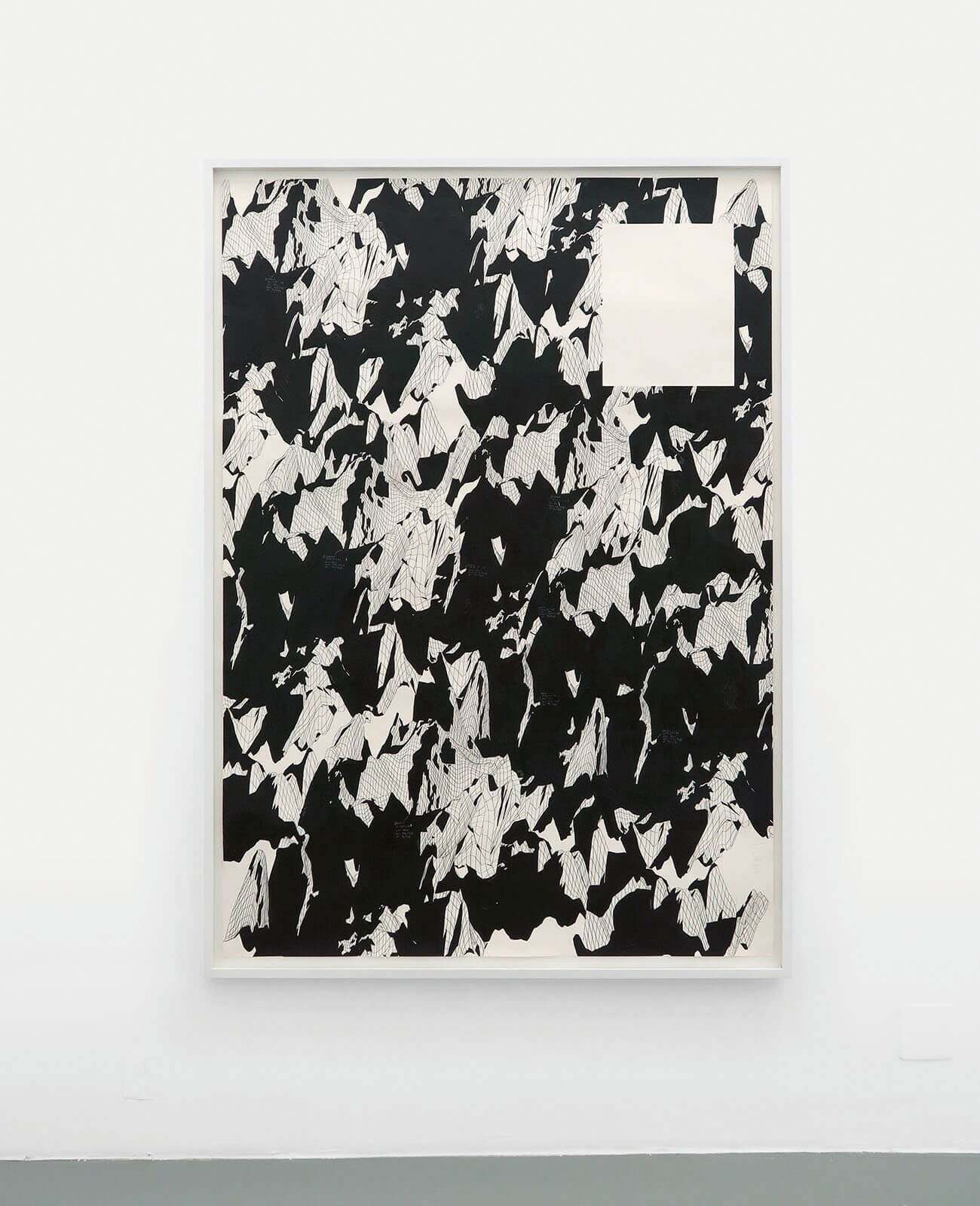
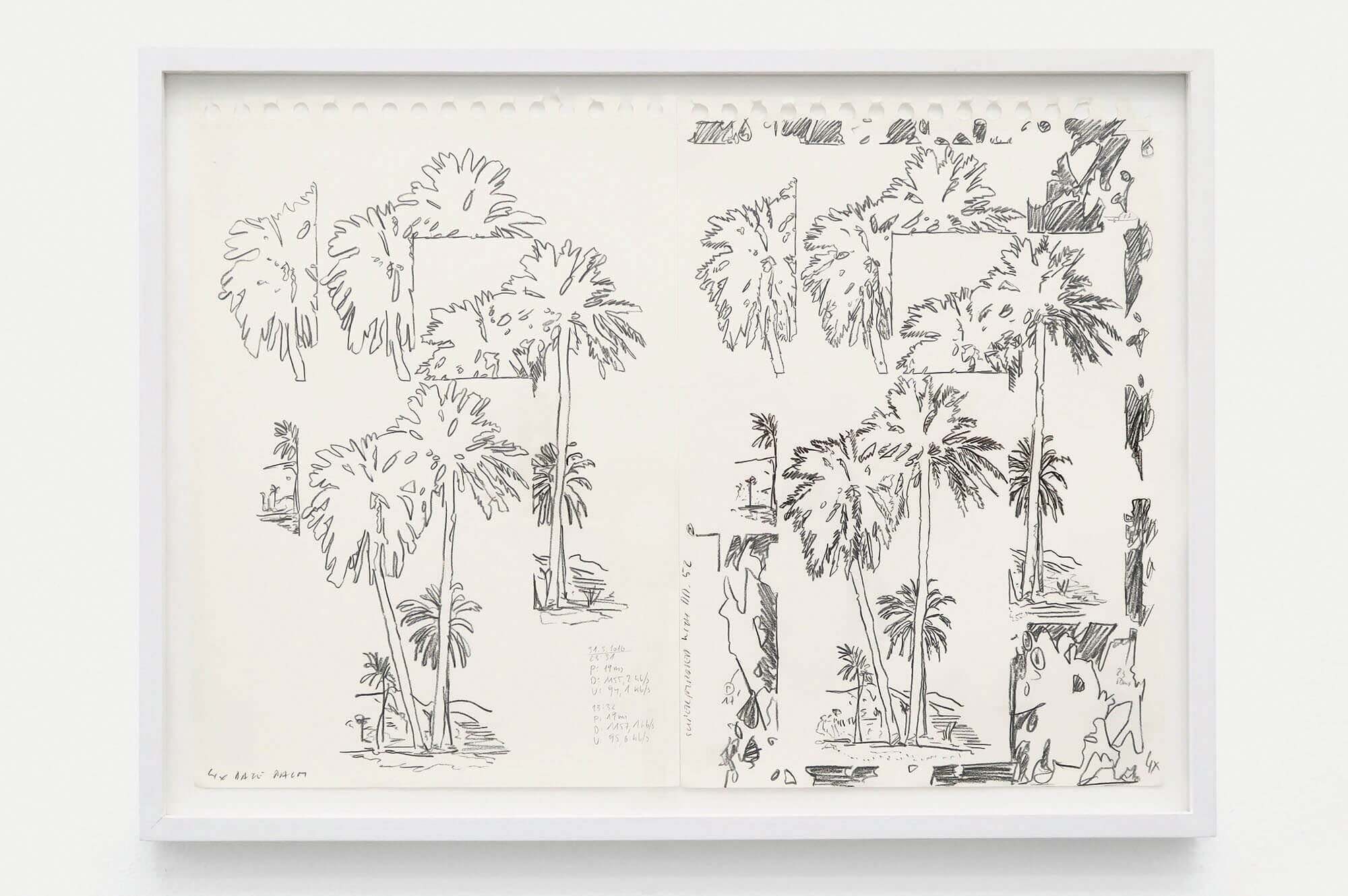
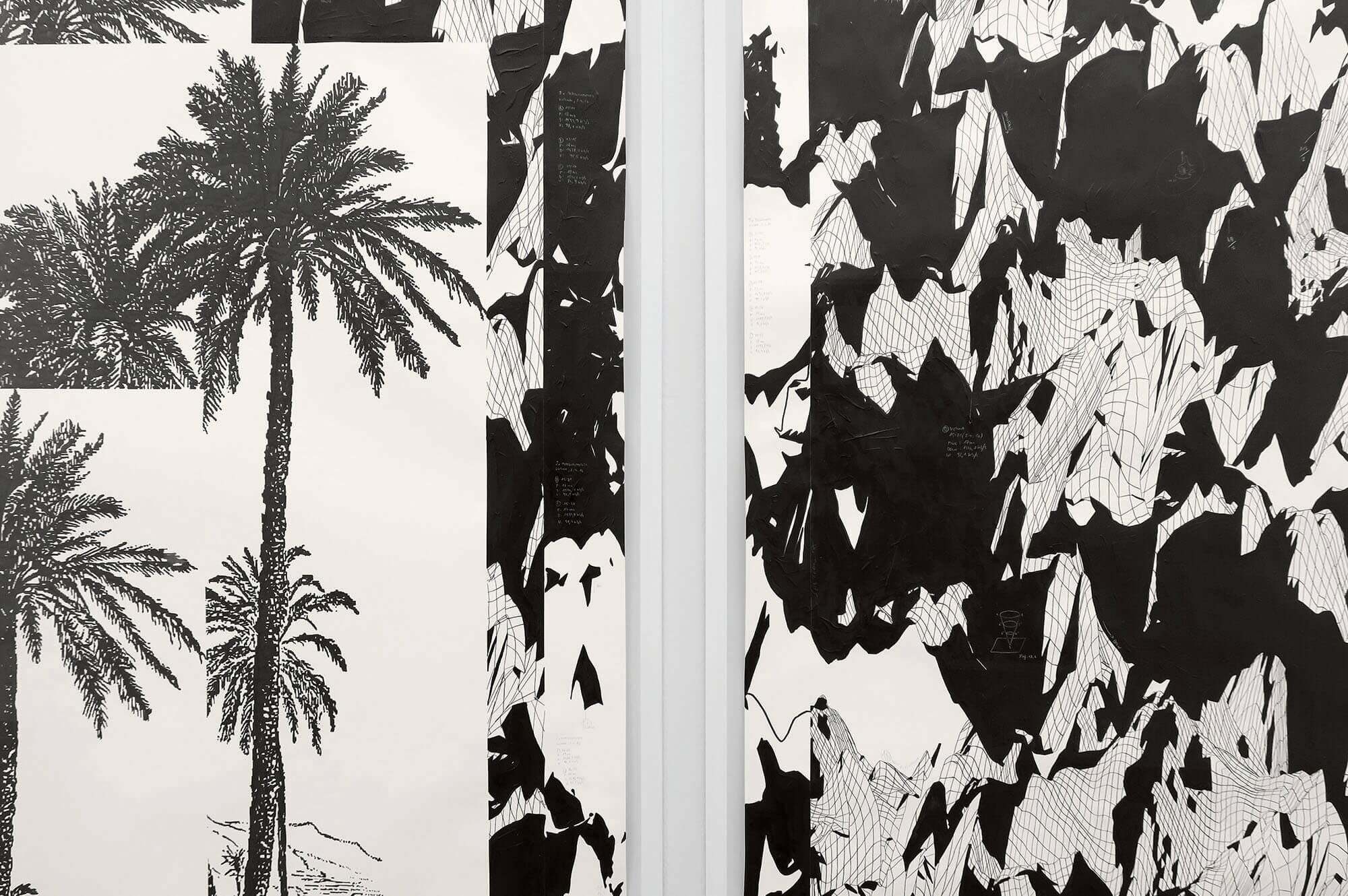
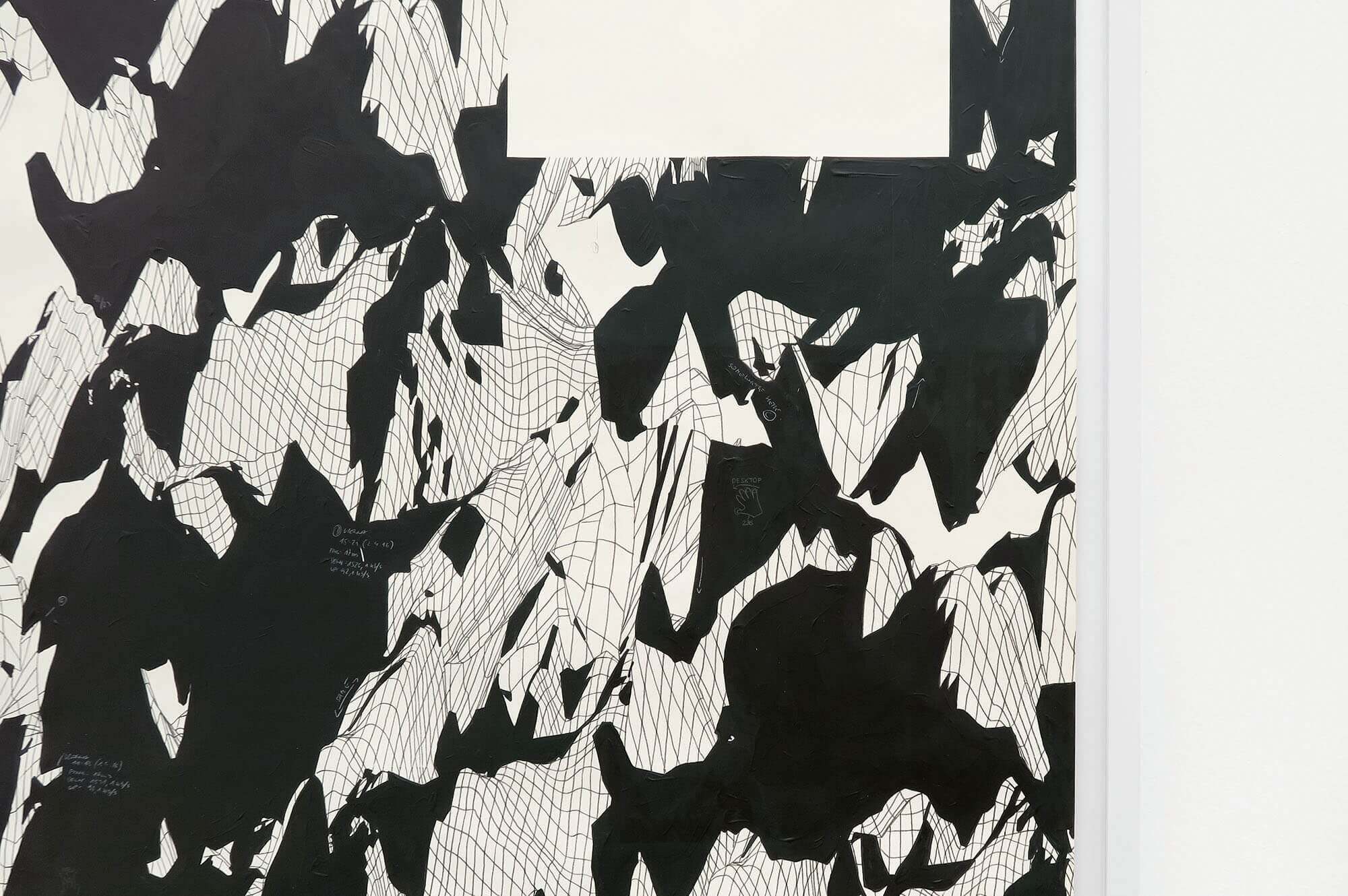
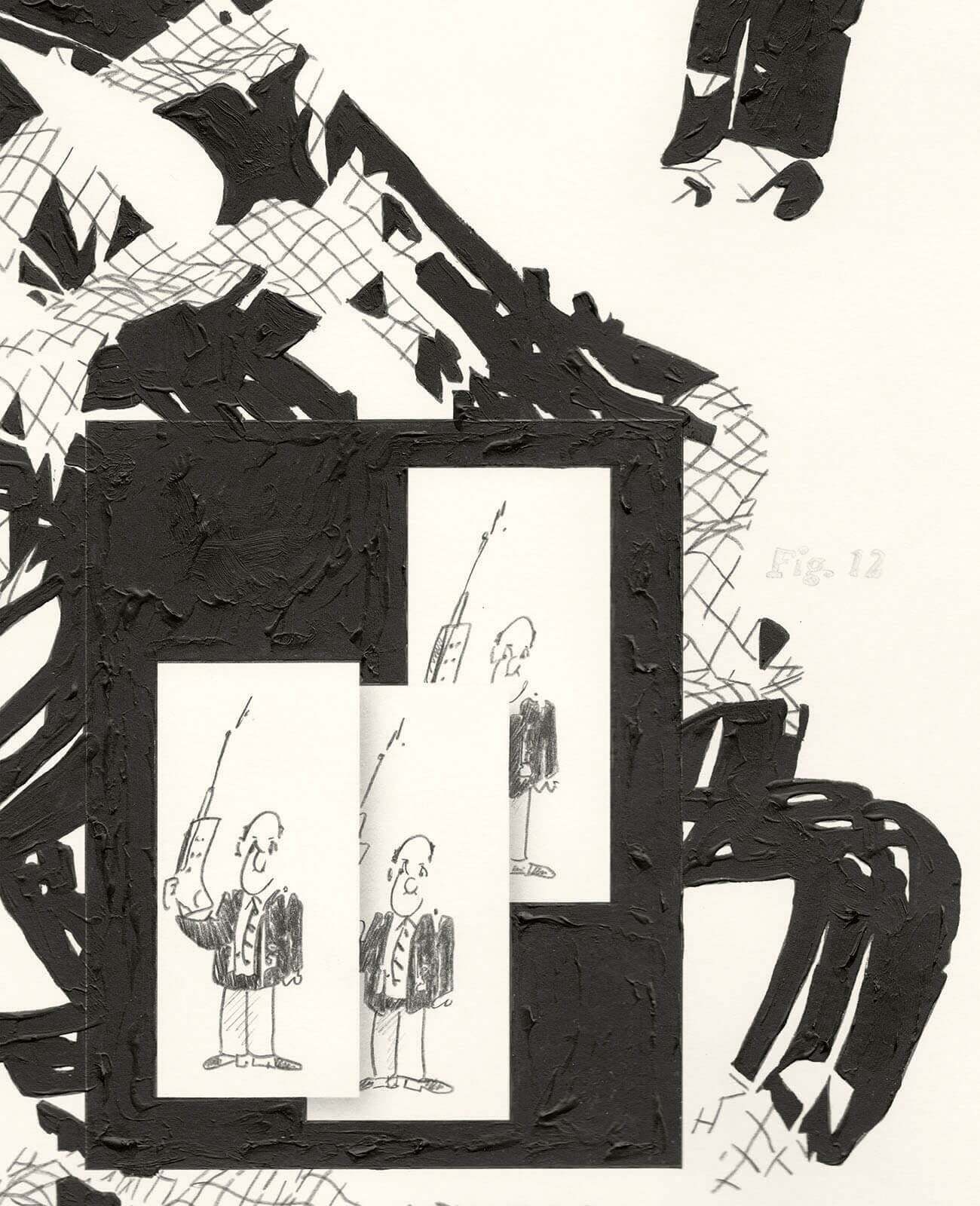
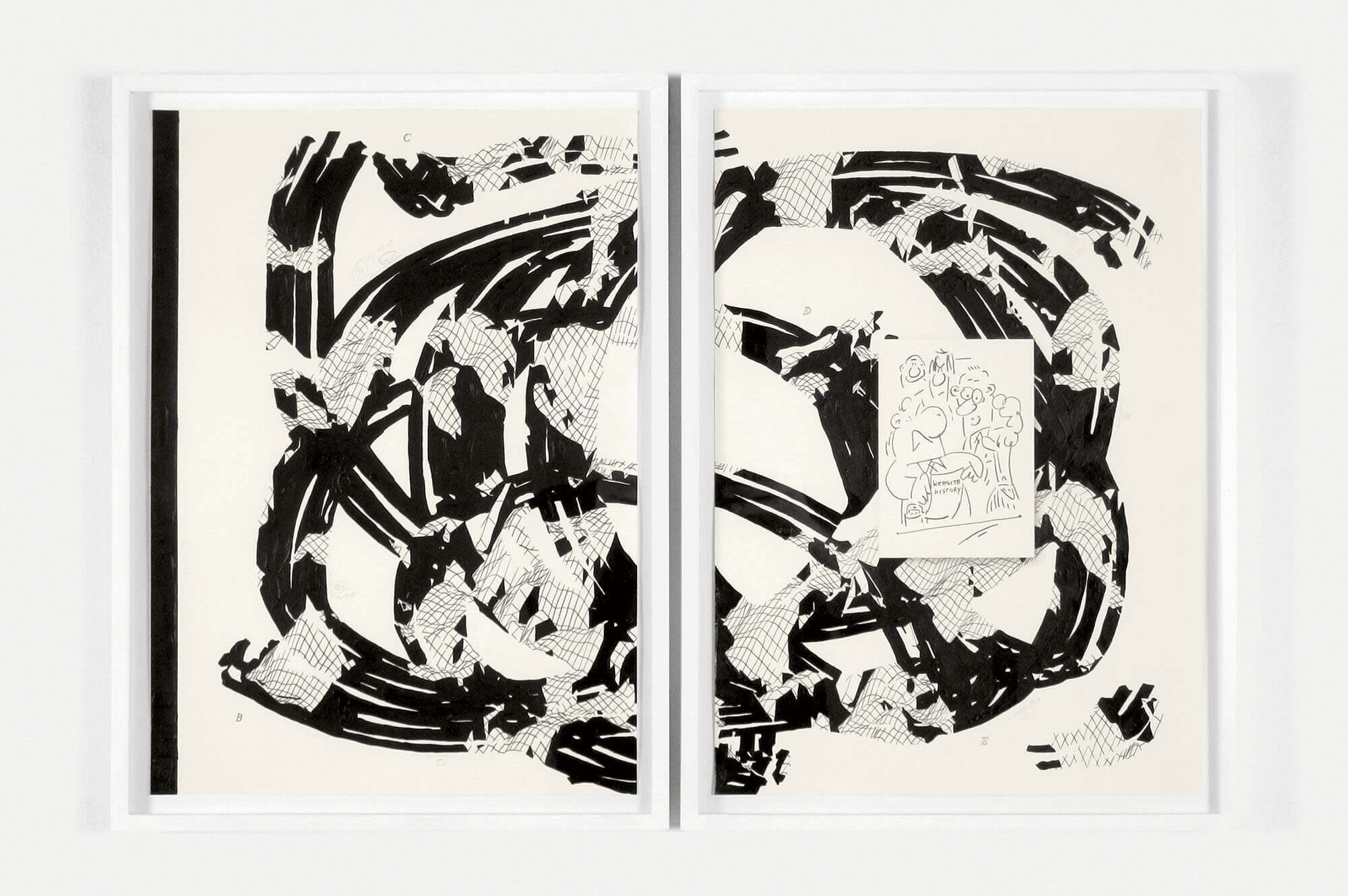
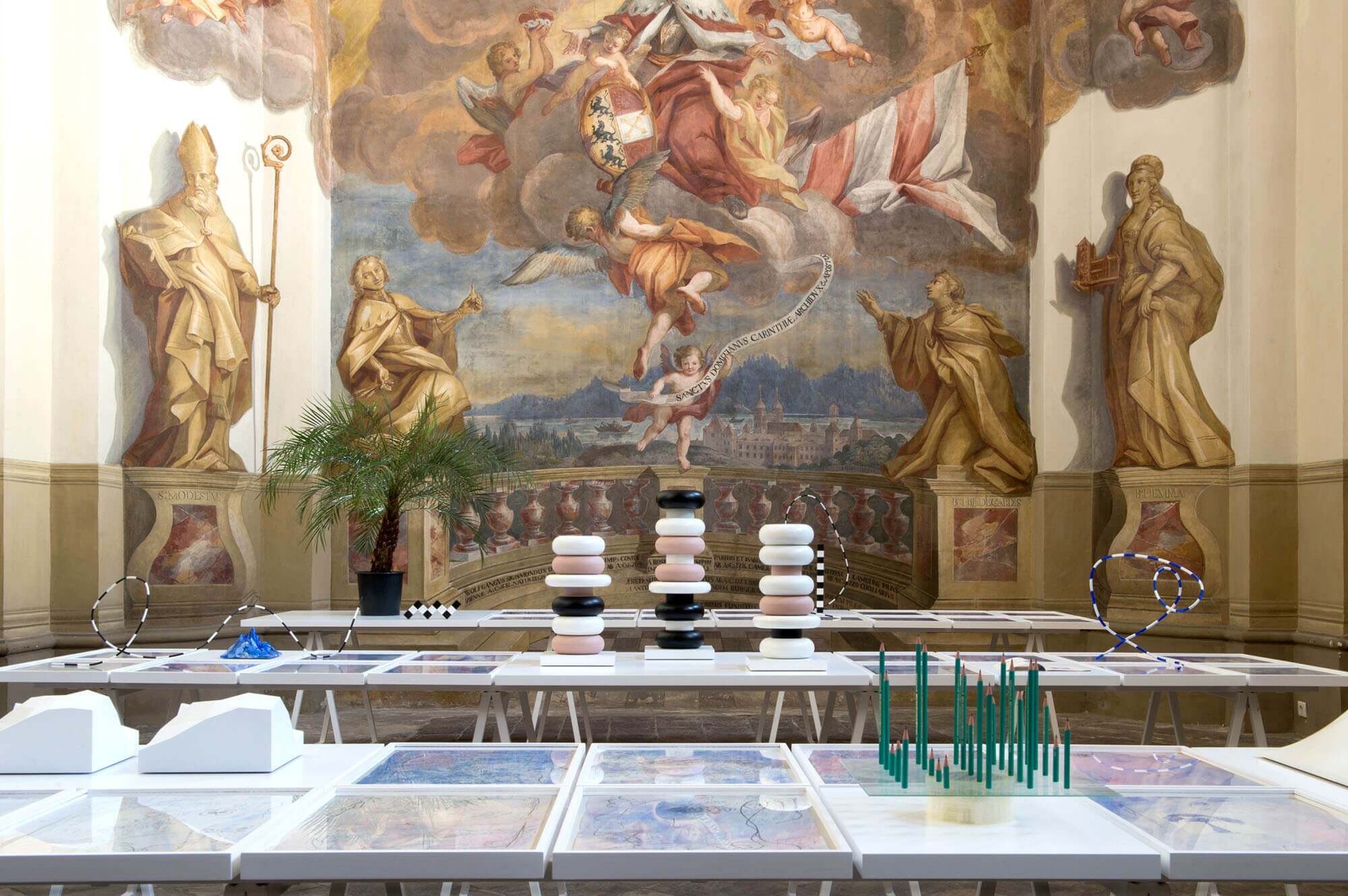
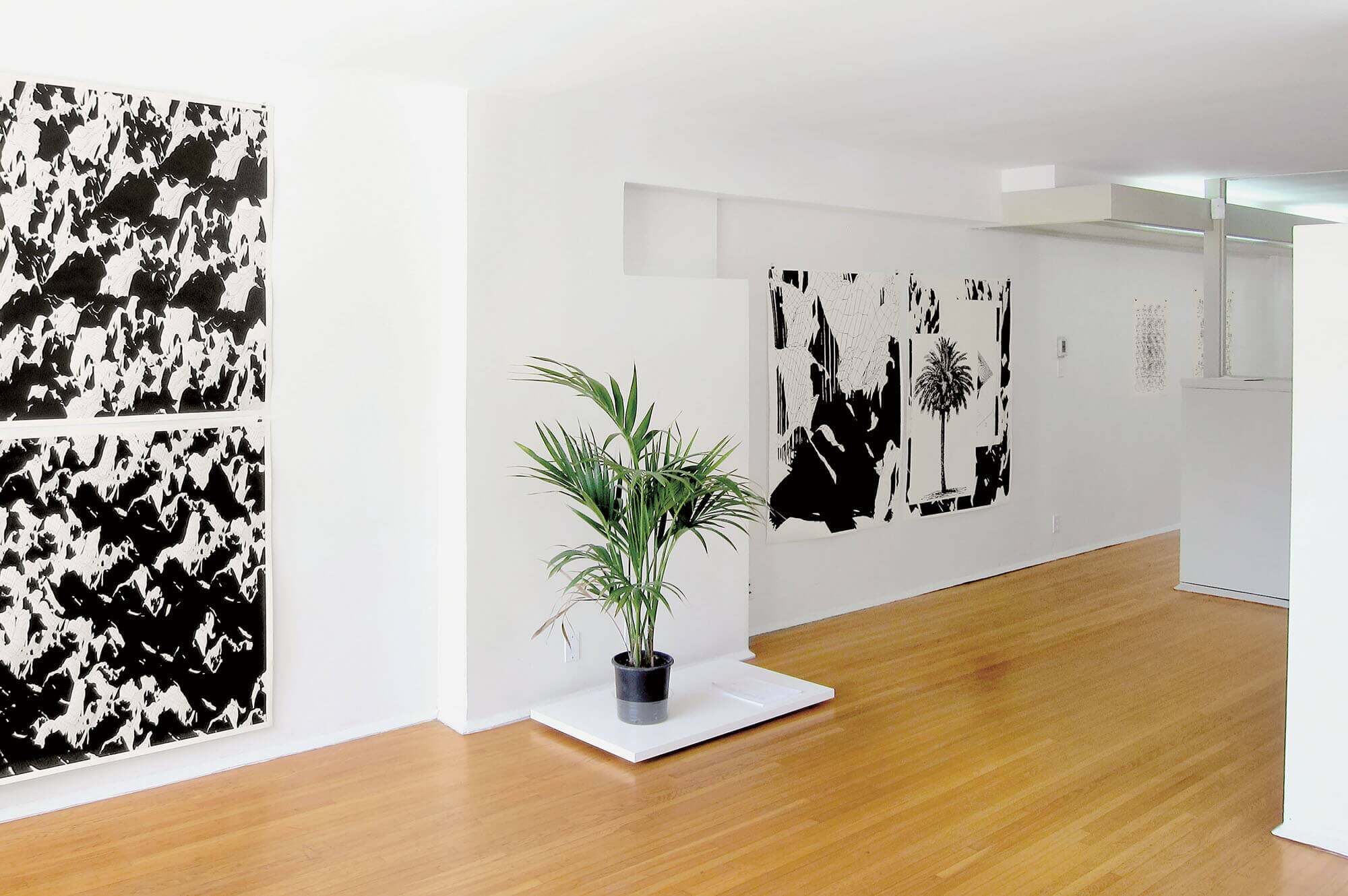
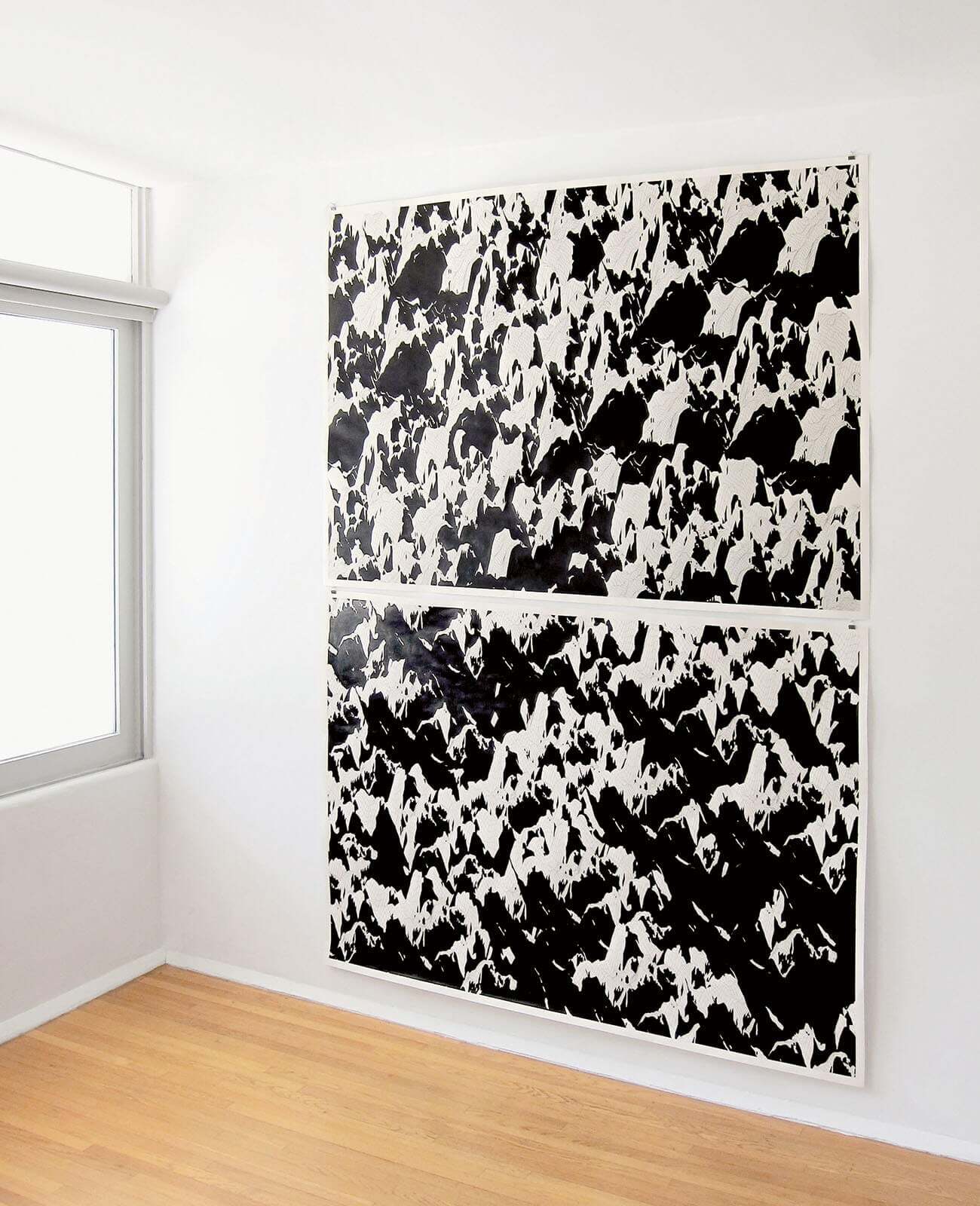
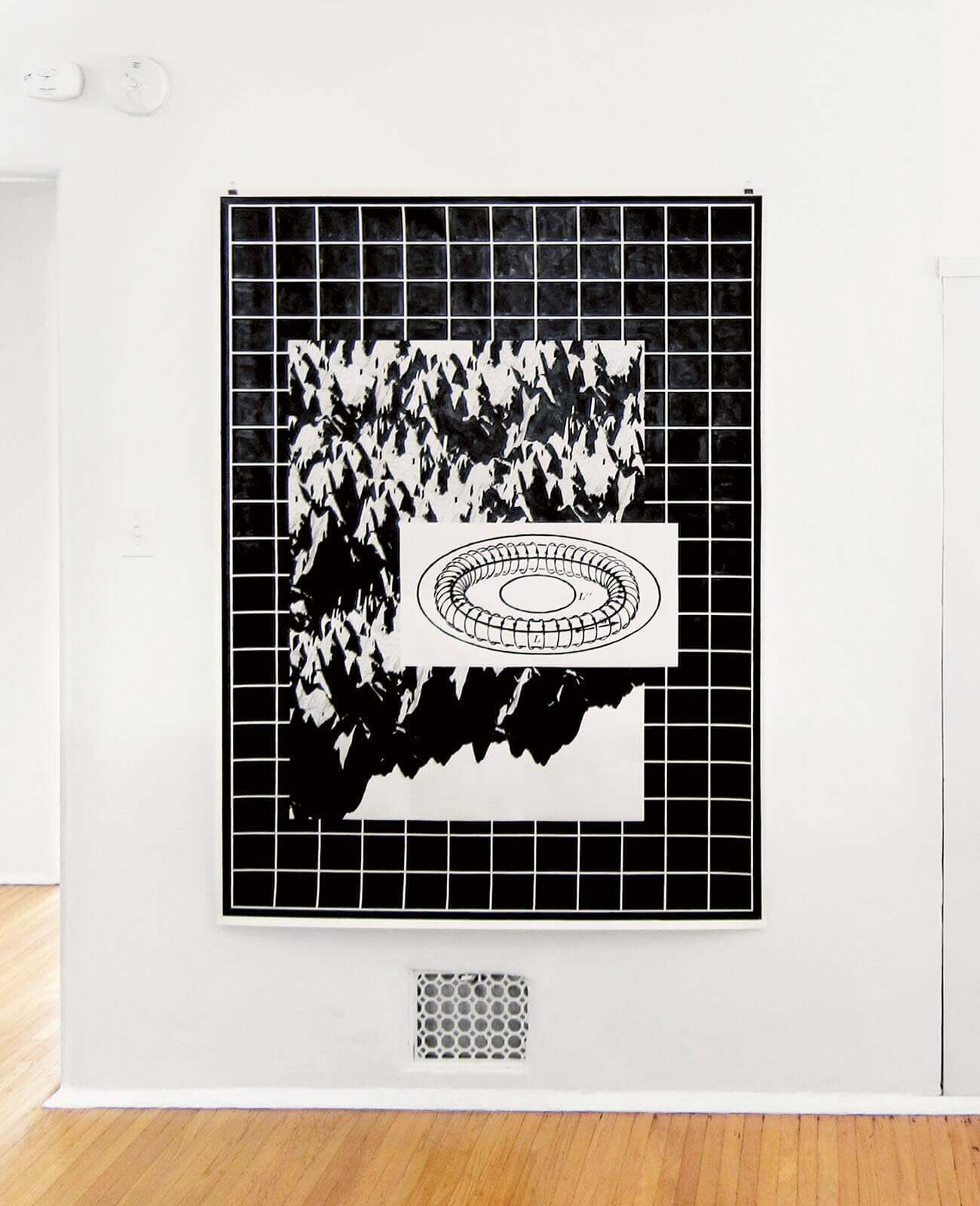
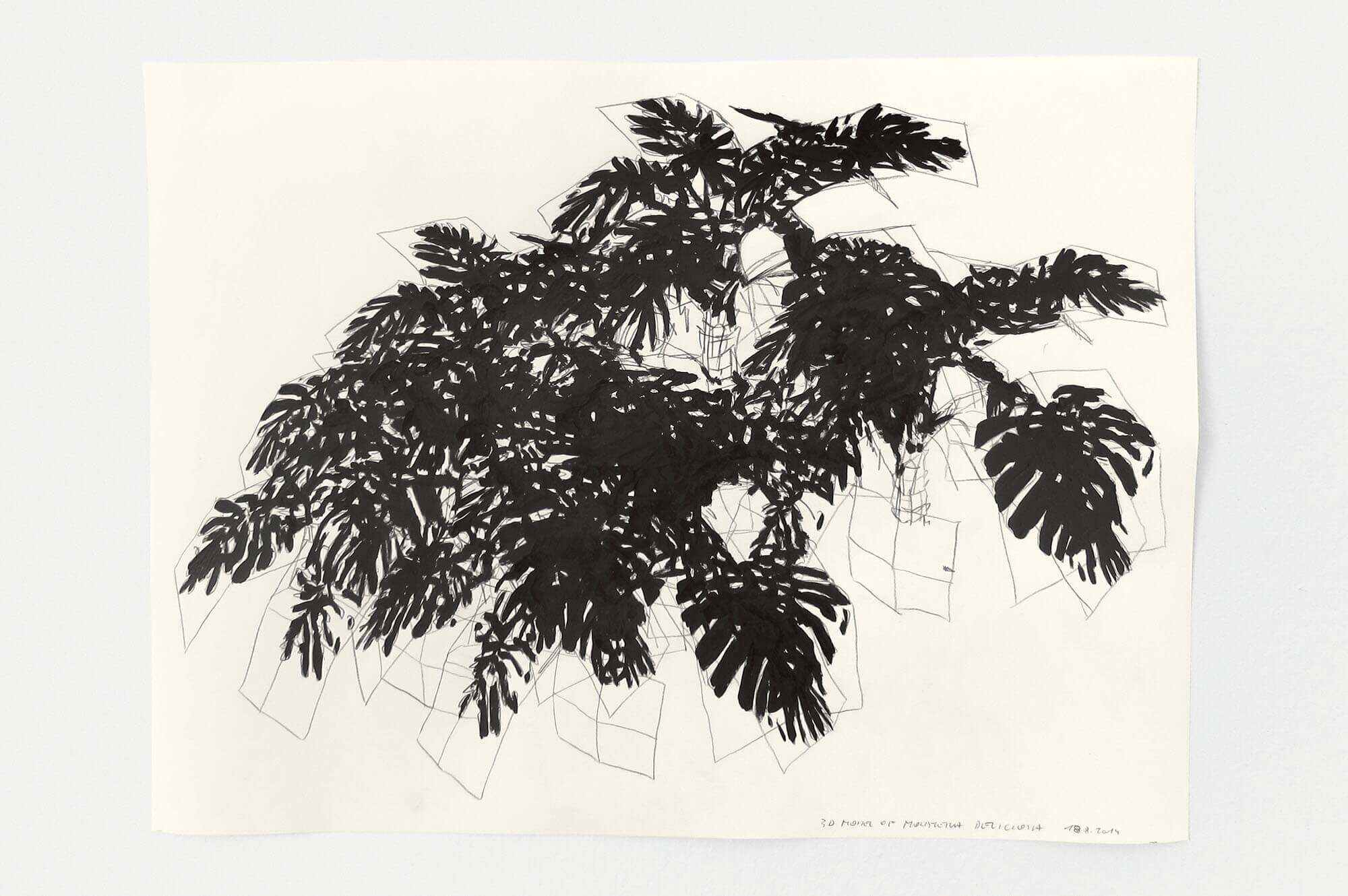
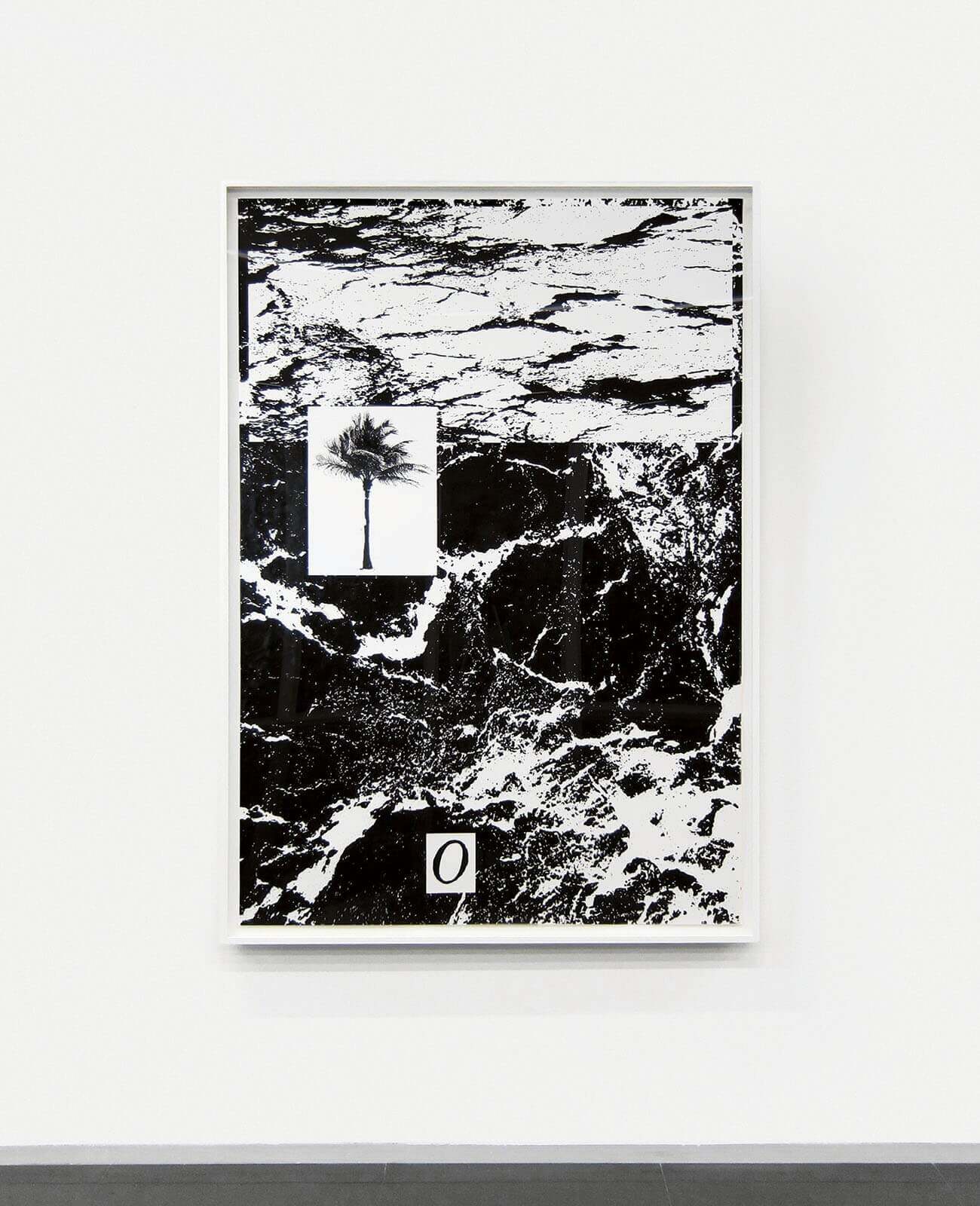
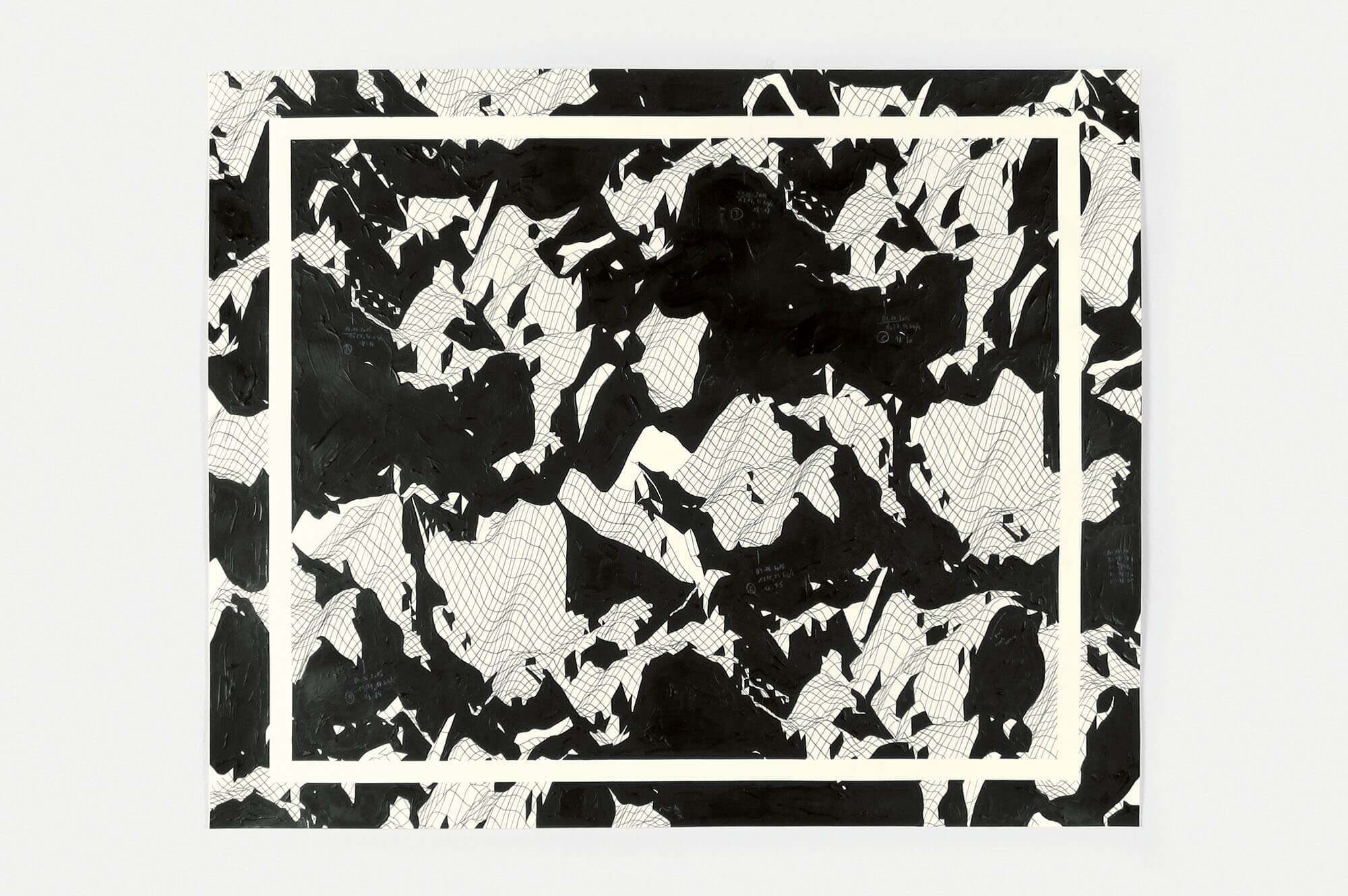
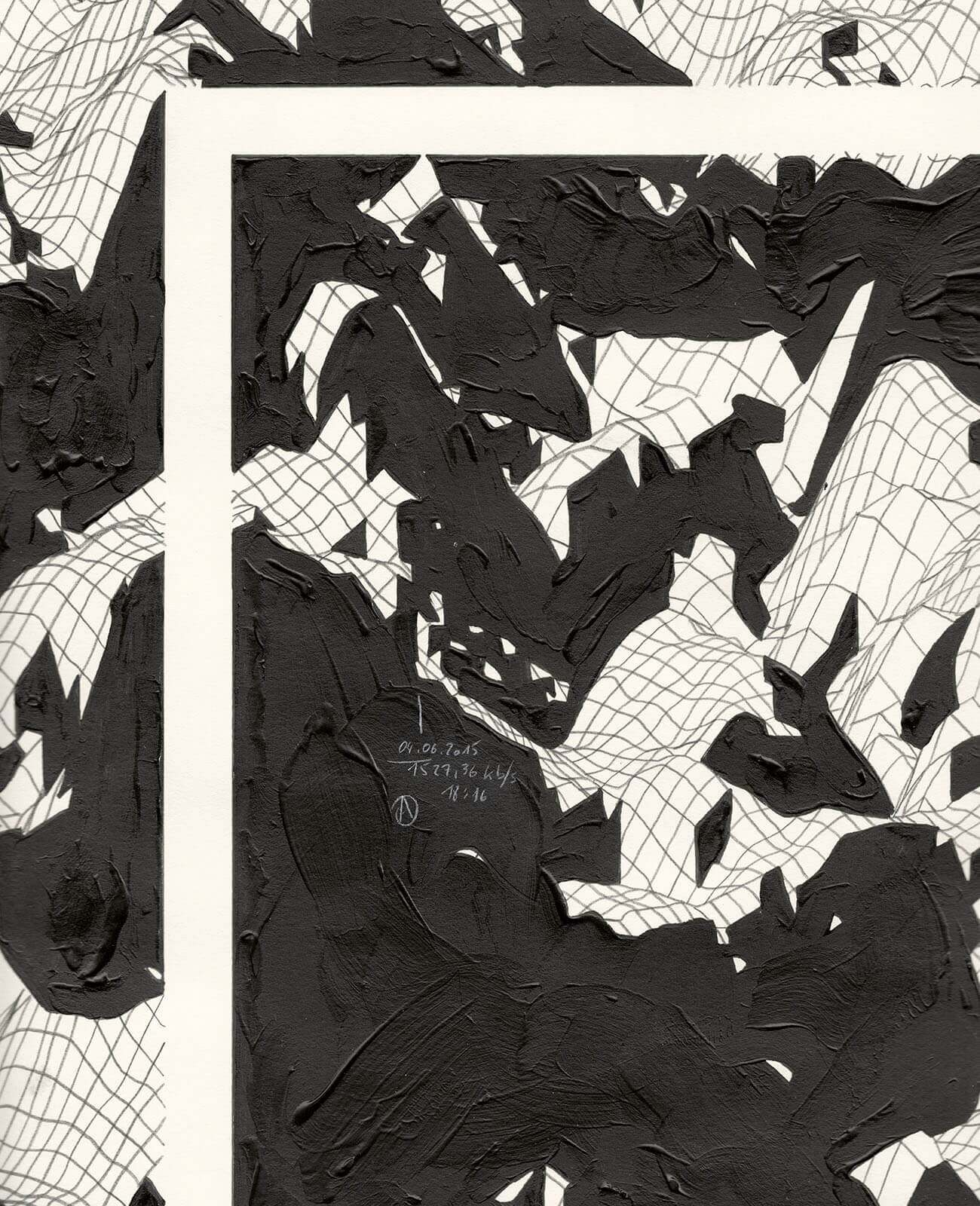
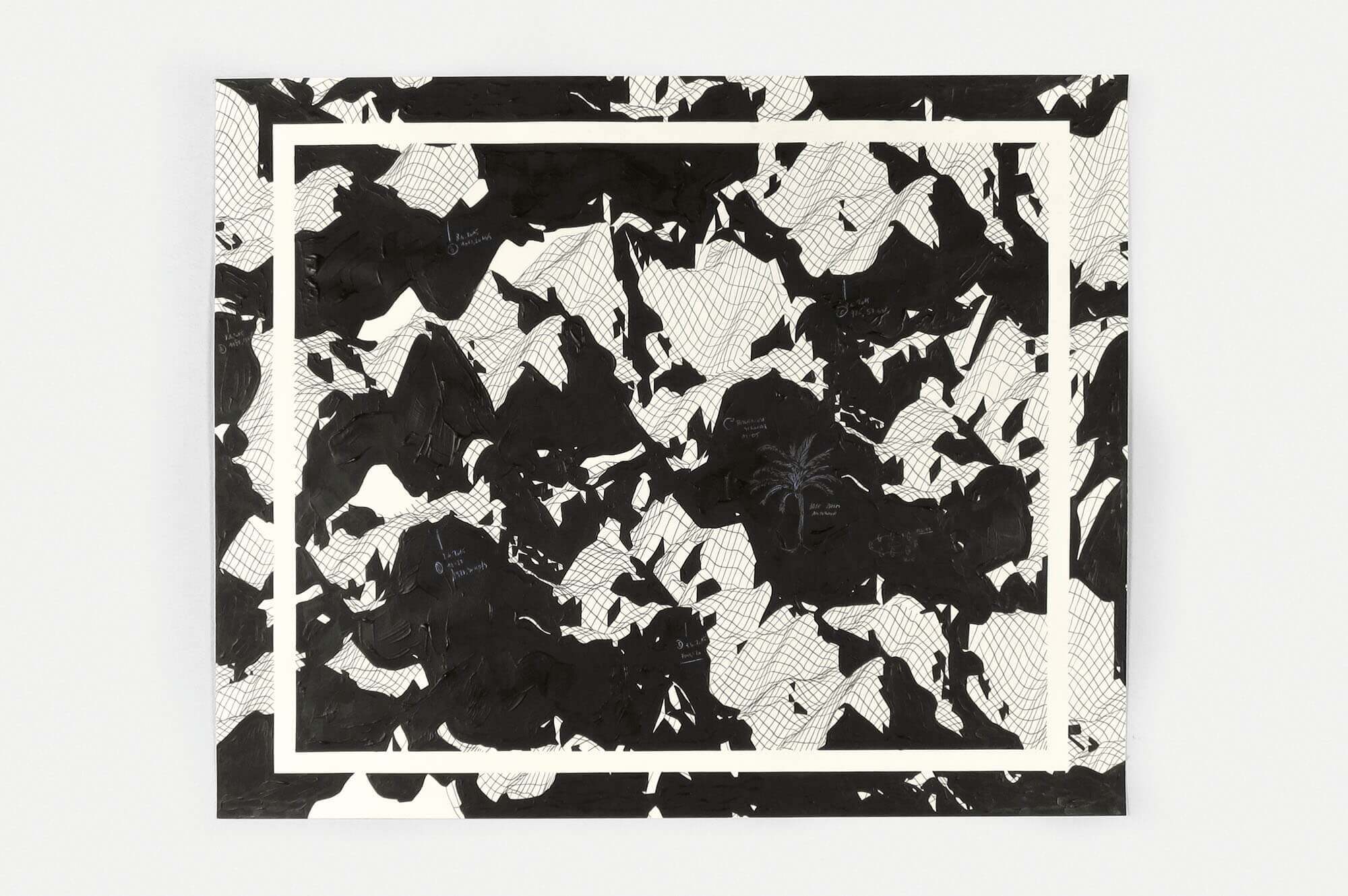
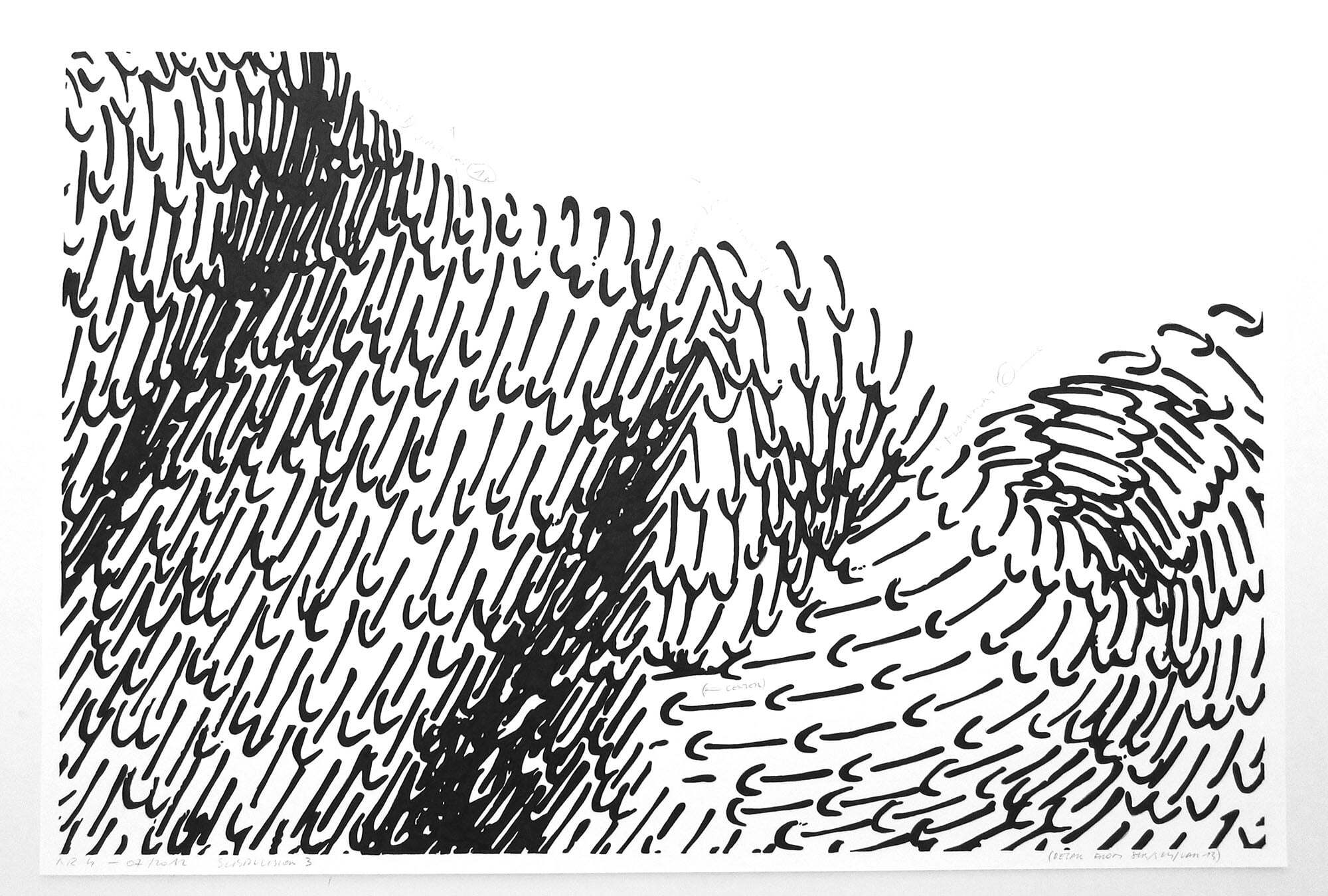
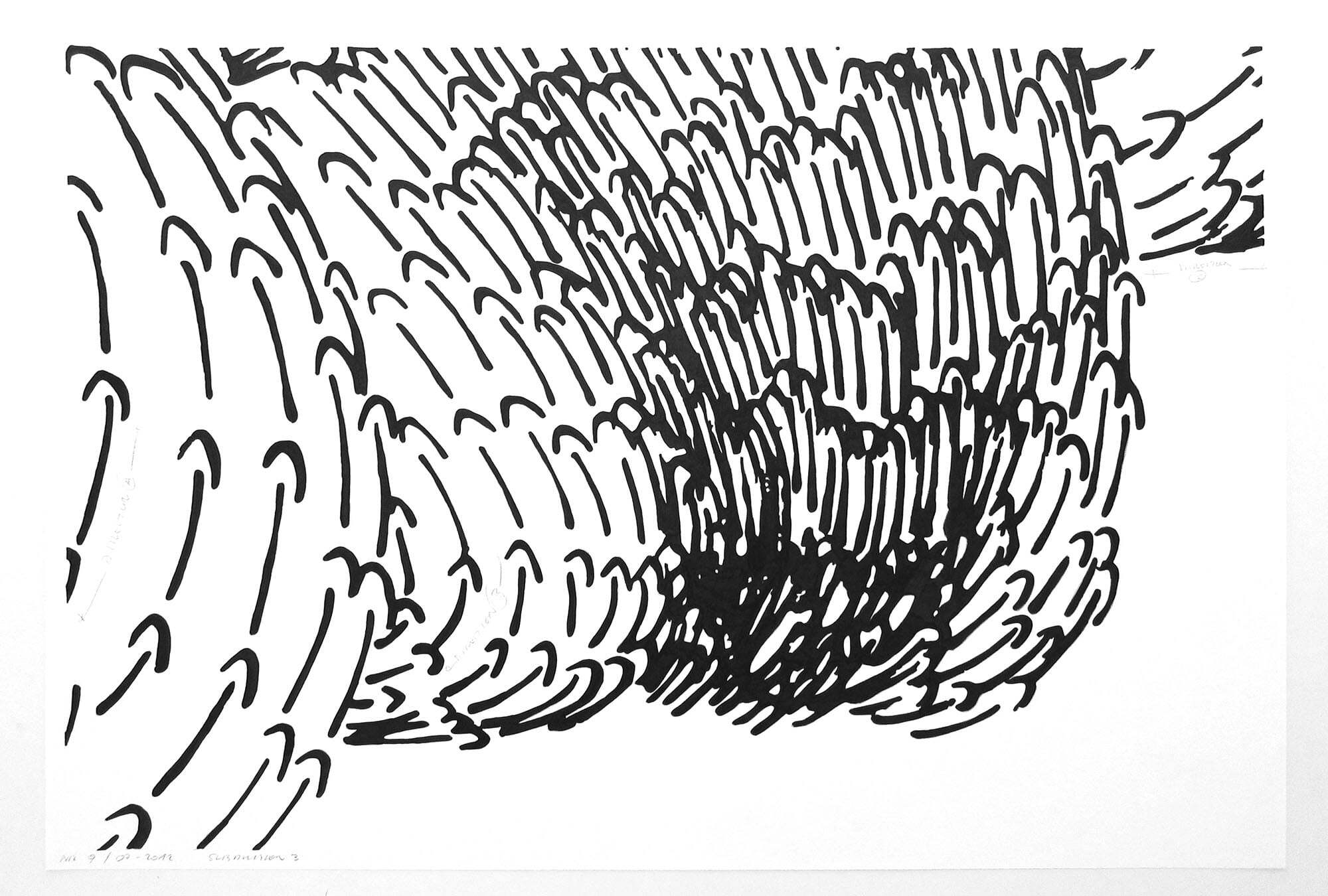
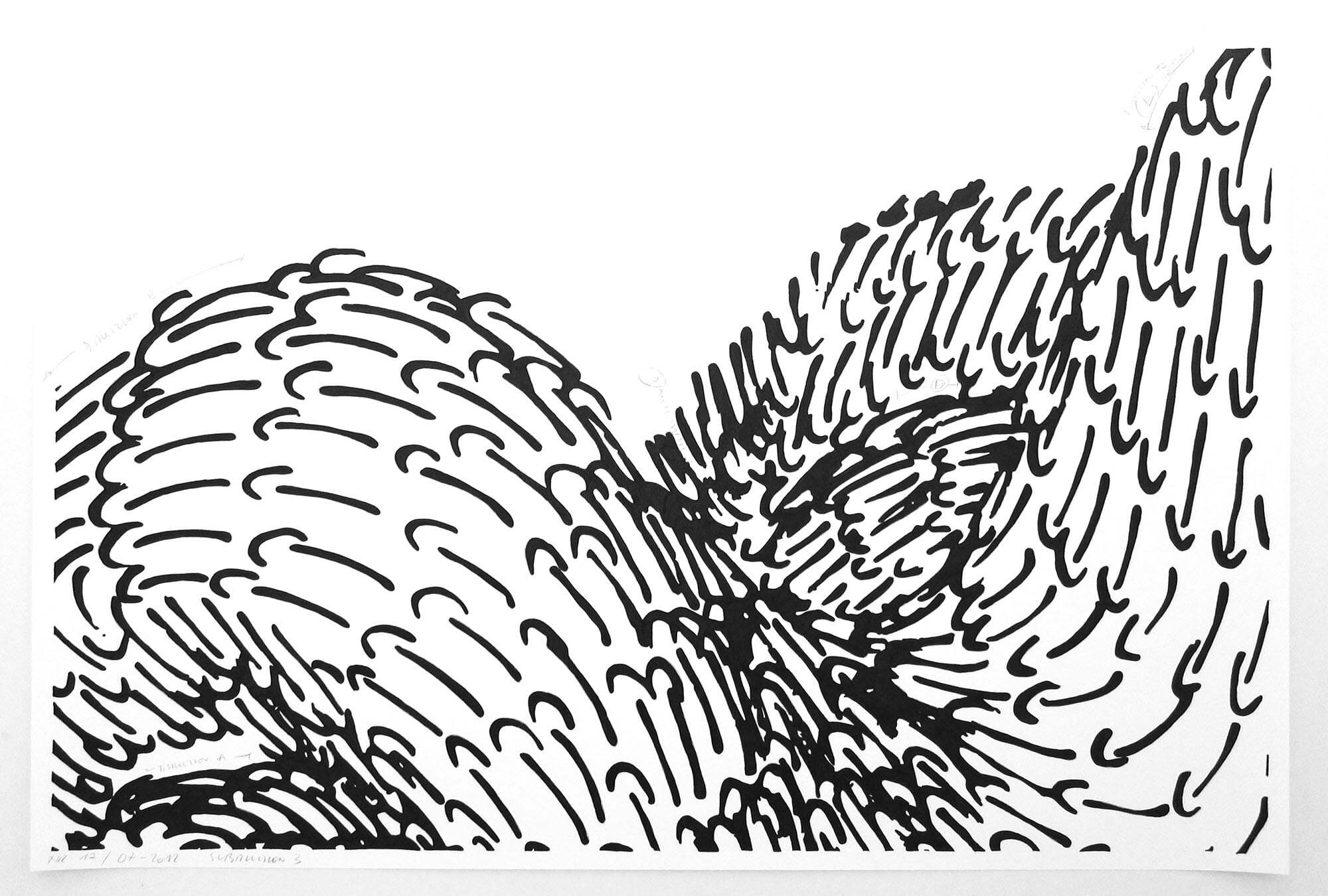
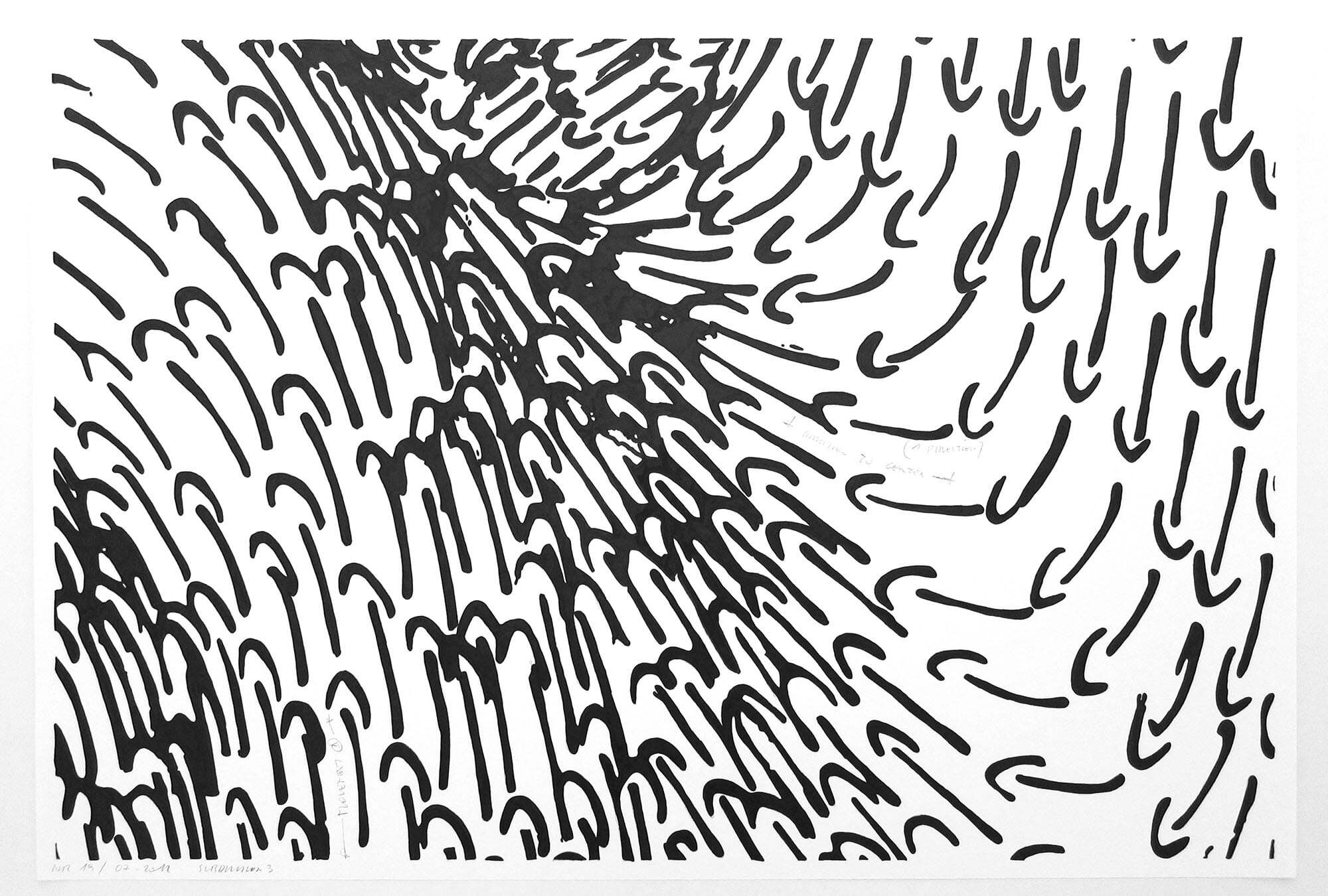
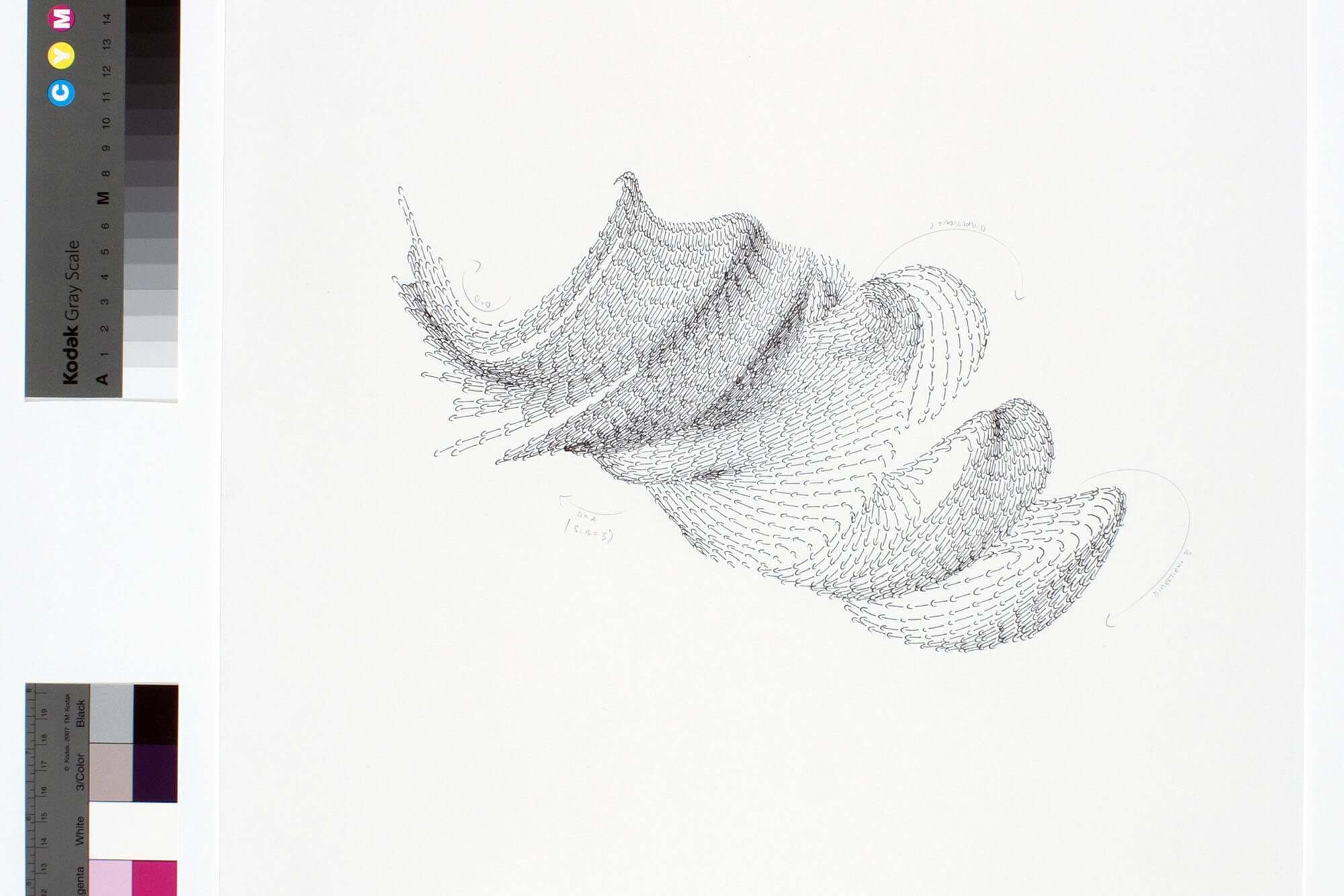
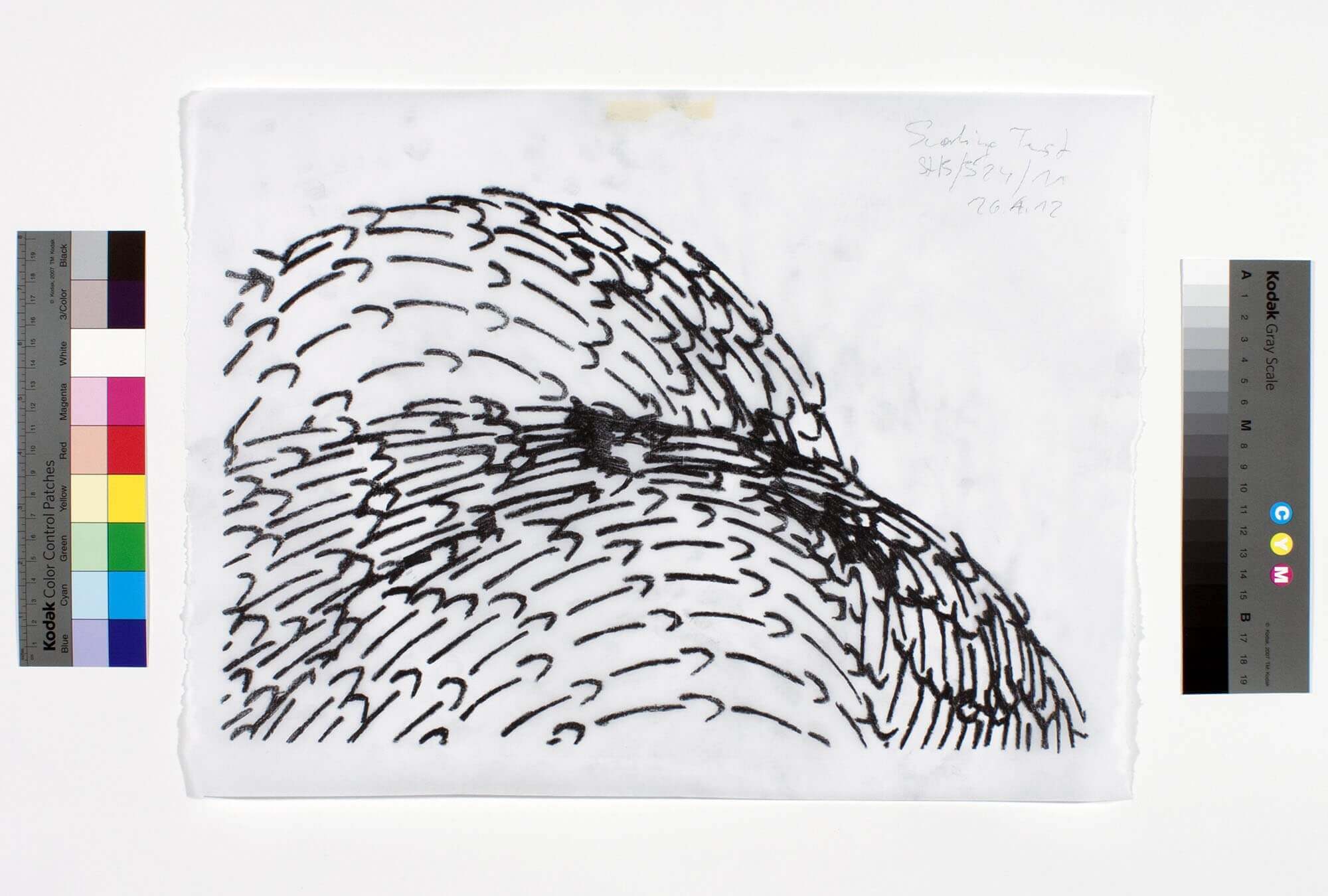
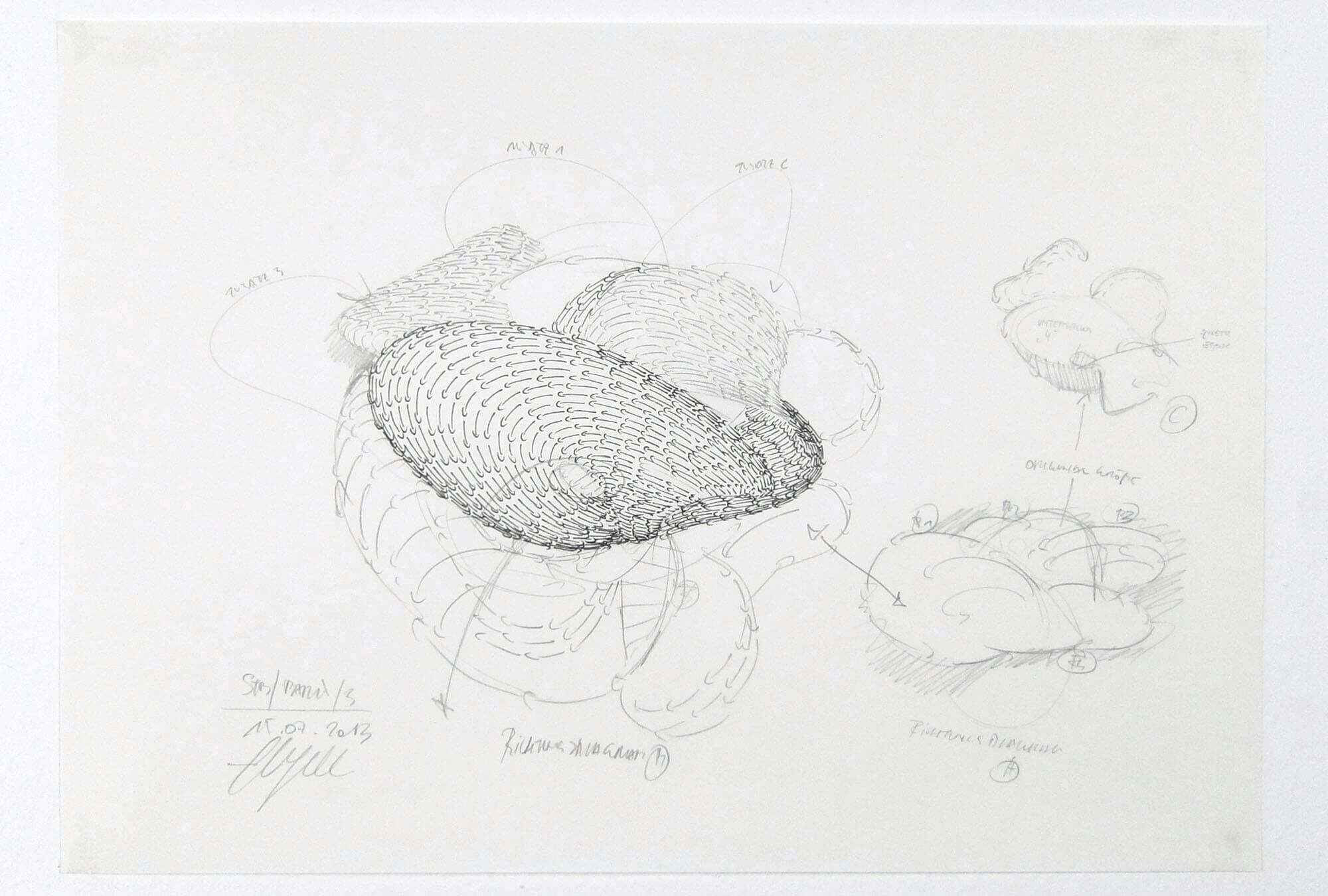
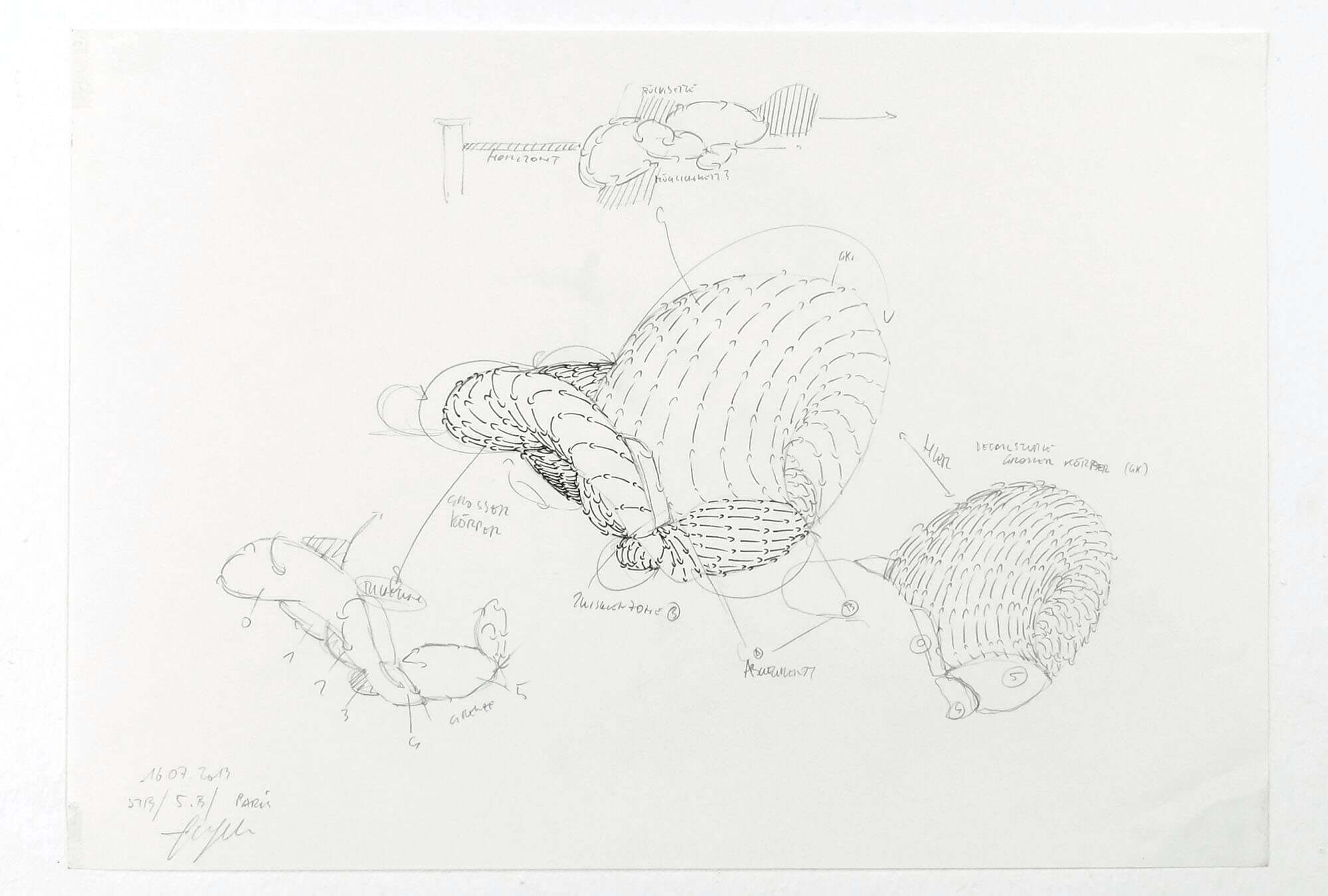
This sculpture by Peter Jellitsch breaks radically with its surroundings. While the native trees grow in organic rhythms—supported by an idea of nature that is as culturally influenced as it is historically shifted—this palm tree follows a strict code: black, white, black, white. What appears to be an error—a palm tree in the middle of the forest—is a precisely composed disruptive signal. An intervention that raises questions: What is nature? What is artificiality? What is our projection of “naturalness”? The black-and-white checkerboard pattern on the palm leaves refers to more than pure aesthetics. It is a symbol of duality – of nature and artificiality, of here and there, of reality and fiction. As in Lewis Carroll's “Through the Looking-Glass”, where a chessboard becomes the threshold to another world, this palm tree also opens a mental portal: it marks a transition, an in-between. A grid that does not organize, but destabilizes. The clear coding tips into the surreal – what just seemed familiar begins to flicker. This portal is not a door, but a perception: a moment of irritation that questions everything. The sculpture stands in absolute solitude and yet communicates. It may not speak in words, but in contrasting forms and meanings. Jellitsch has succeeded here in creating a three-dimensional drawing on a scale of 1:1—a dotted line that does not run on paper, but in the landscape. It combines digital aesthetics with sculptural gestures, ironic shifts with serious spatial assertions. A palm tree where none should grow—and yet something grows here: an idea, a doubt, a new image. (Peter Jellitsch, 2025)